Keeping Your Dog Healthy Through Every Season of the Year
A healthy dog isn't just a contented one; they're more playful, more energetic and more emotionally settled. As their owner, you're the biggest factor in how well your dog thrives, day in and day out.
The everyday habits that add up to a longer, happier life.
Tags: dog health tips, dog wellness, dog nutrition, dog dental care, dog exercise
A healthy dog isn't just a contented one; they're more playful, more energetic and more emotionally settled. As their owner, you're the biggest factor in how well your dog thrives, day in and day out. Regular vet checkups, balanced nutrition, daily movement and grooming might sound like small habits, but they add up to real years of vitality.
Here's a complete guide to keeping your dog healthy, strong and full of life, whatever the season.
1. Keep up with regular vet visits.
Routine medical care catches problems early, before they become serious. Puppies generally need checkups every few weeks during their first year, adult dogs at least once annually, and seniors (seven years and up) roughly every six months. During these visits, vets carry out physical exams, update vaccinations, check dental health, and may suggest bloodwork or parasite screening. Watch out for changes in appetite, weight, energy, or behaviour, along with vomiting, coughing or unusual odours. If something feels off, book a visit rather than waiting it out.
2. Don't let vaccinations or parasite prevention lapse.
Parasites aren't a summer-only problem; fleas, ticks and mosquitoes pose a risk year-round, even in cooler months. Monthly preventatives matter for fleas and ticks, which cause infestations and skin disease, for heartworm, transmitted by mosquito bites and potentially fatal, and for intestinal worms, which can cause weight loss, diarrhoea and anaemia. Consistent prevention protects other pets and family members too, so ask your vet about a suitable all-in-one option.
3. Feed a genuinely balanced diet.
Nutrition underpins everything else. A balanced, nutrient-rich diet supports strong bones, a healthy coat, good digestion and a stable weight. Choose food formulated for your dog's life stage, look for quality proteins, essential fatty acids, vitamins and minerals, and go easy on treats and human food, since even the 'safe' options can quietly add unnecessary calories. Feed measured portions on a schedule rather than leaving food out all day. Dogs with allergies or specific conditions may benefit from a prescription diet or supplements, but that's a conversation for your vet.
4. Watch their weight closely.
Obesity is one of the most common, and most preventable, health issues in dogs. Extra weight strains joints and raises the risk of diabetes and heart disease, while also shortening lifespan. Measure meals properly, choose low-calorie treats, increase daily exercise, and limit table scraps. Regular weight checks at the vet help too. Even a small amount of extra weight makes a real difference for smaller breeds, so it's worth watching your dog's shape and adjusting early.
5. Build in daily exercise and enrichment.
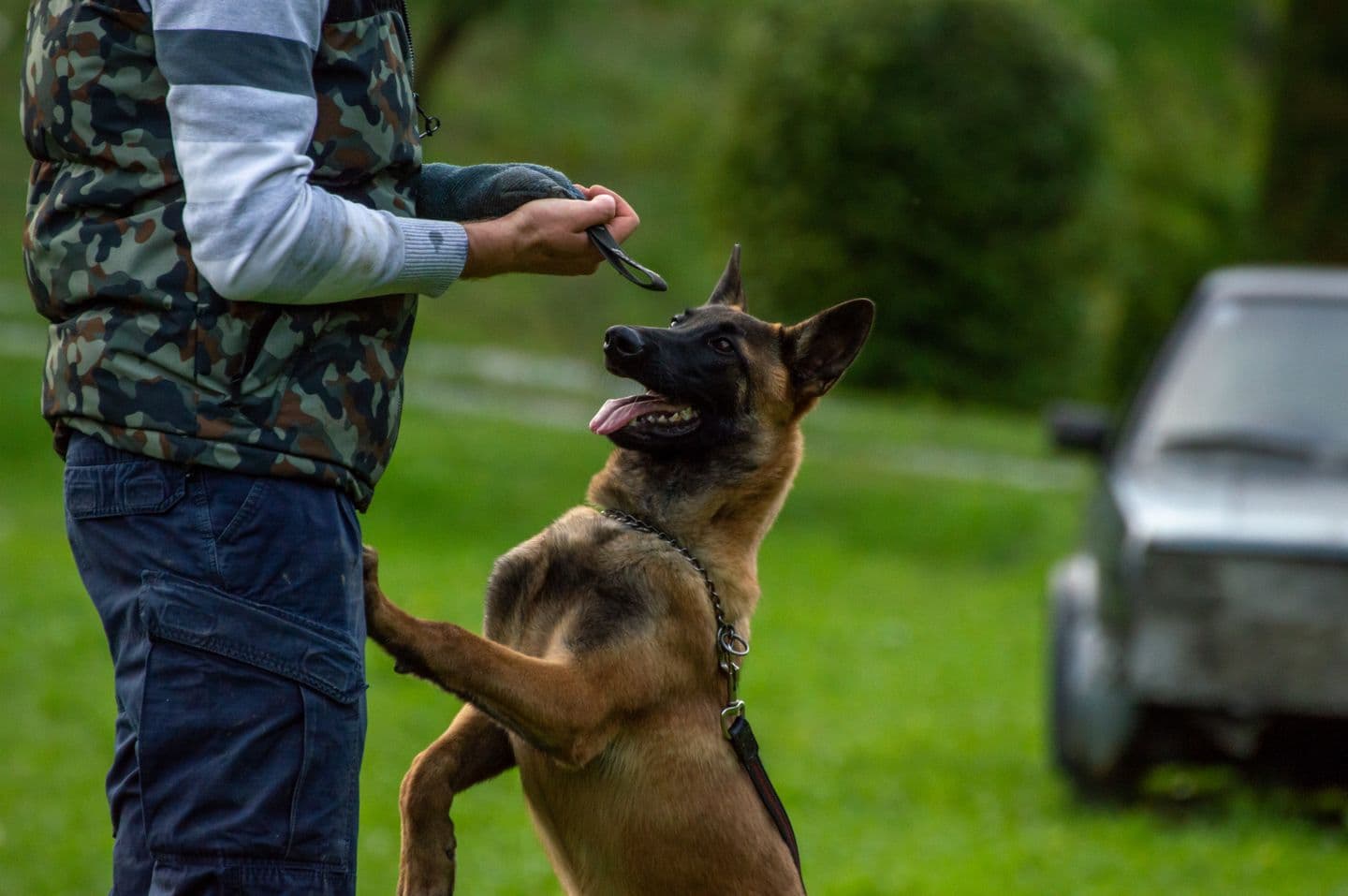
Physical activity keeps your dog fit; mental stimulation keeps them out of trouble. Lower-energy breeds tend to do well with short daily walks, gentle indoor play and scent games. Medium-energy dogs benefit from two daily walks plus fetch or light agility. High-energy breeds often need long runs, swimming, hiking or playtime with other active dogs. Puzzle feeders, obedience training and new tricks give their brains a workout too.
6. Take dental care seriously.
It's easy to overlook, but poor oral hygiene can lead to gum disease, tooth loss and even heart or kidney complications. Brush your dog's teeth regularly with pet-safe toothpaste, offer dental chews or toys that reduce plaque, and schedule professional cleanings as your vet recommends. A healthy mouth means fresher breath and, genuinely, a healthier dog.
7. Stay on top of grooming and hygiene.
Grooming is about comfort and health as much as appearance. Regular brushing removes dirt, prevents matting and spreads natural oils through the coat. Bathing helps control shedding and odour. Nail trims prevent posture problems and joint strain, ear cleaning reduces infection risk, and gently wiping away eye discharge prevents irritation. Starting these routines early helps your dog stay comfortable with being handled.
8. Head off common problems before they start.
A bit of proactive care goes a long way. Clean ears regularly, especially for floppy-eared breeds, avoid fatty human foods and stay current on parasite prevention to reduce loose stools, wipe paws after walks and speak to your vet about allergy management for seasonal reactions, and dry your dog thoroughly after baths or swims to prevent skin infections. Watching for changes in coat condition, smell or appetite helps you catch problems early.
9. Adjust for extreme weather.
Health risks shift with the seasons. In summer, provide shade and plenty of water, never leave dogs in cars, and watch for signs of overheating. In winter, use dog-safe paw balm, limit time outdoors, and consider a jacket for short-haired breeds. During monsoon or damp conditions, keep coats dry to prevent fungal infections and ear issues.
10. Don't neglect emotional wellbeing.
A dog's mental health matters as much as their physical health. Stress, loneliness or lack of attention can lead to behavioural problems, or even affect their immune system. Spend real quality time together each day, use positive reinforcement in training, and keep a consistent routine that helps your dog feel secure. A loved, emotionally balanced dog tends to be a genuinely healthier one.
11. Make sure they're getting enough rest.
Like us, dogs need proper rest to function well, and puppies and seniors need extra sleep for growth and recovery. Give your dog a quiet, comfortable space to rest undisturbed, and keep sleep schedules fairly consistent to support mood, metabolism and overall wellbeing.
12. Trust your instincts about small changes.
Nobody knows your dog better than you do. Stay alert to subtle shifts in energy, appetite, coat condition or behaviour. Excessive panting, scratching or limping often point to something underlying. Catching these signs early can prevent a minor issue turning into a major one.
The Bottom Line
Keeping a dog healthy isn't a one-off checklist; it's an ongoing commitment. Regular vet visits, good nutrition, consistent exercise and daily attention don't just maintain your dog's health, they genuinely enrich their life.
Healthy habits today mean more tail wags, more walks and more years of unconditional love ahead. Stay observant, stay proactive, and celebrate every small step along the way.
Beyond the familiar Great Dane and Saint Bernard, a number of large, calm breeds carry the same gentle-giant temperament without quite the same name recognition. Most remain genuinely rare in India, b
A once-bouncy dog that suddenly seems flat, uninterested in walks, and withdrawn from the family is unsettling to watch, and the question that naturally follows is whether dogs can actually feel somet
A dog who reliably toilets in one designated spot makes clean up easier and keeps the rest of a garden, terrace, or society compound tidy. It is a straightforward habit to build with consistency.