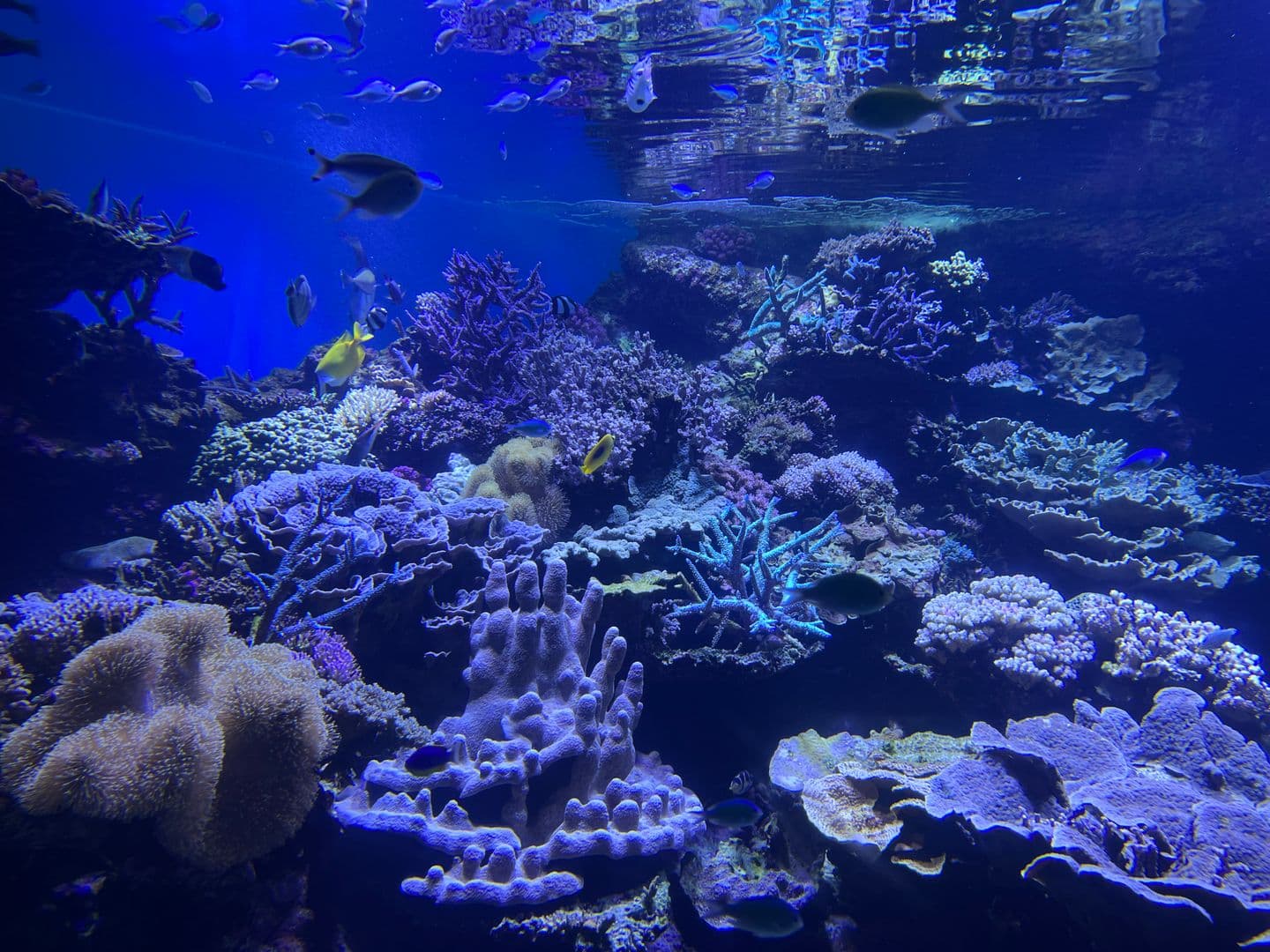
Coralline algae is the pink, purple or red crust that spreads over live rock and the glass in a healthy reef tank. Many Indian reef keepers treat it as a sign of a maturing, stable system, so it can b
Coralline algae is the pink, purple or red crust that spreads over live rock and the glass in a healthy reef tank. Many Indian reef keepers treat it as a sign of a maturing, stable system, so it can be worrying to see patches of that same coralline turn pale or chalky white.
What coralline algae actually is
Coralline algae belongs to a group of red algae that build a hard, calcium carbonate skeleton, similar in structure to coral itself. Its natural colour comes from living pigmented cells sitting on top of that skeleton. When those cells die or are stripped away, the white calcium carbonate base underneath is exposed, which is what gives dying or dead coralline its bleached, chalky look.
Common causes of whitening
Low alkalinity: coralline algae uses alkalinity and calcium to build its skeleton, and a tank running low on either can stall growth and cause existing patches to pale.
Unstable calcium or magnesium levels: sudden swings, not just low readings, are often the real trigger.
Sharp pH swings: a fast change in pH stresses coralline the same way it stresses coral.
Lighting changes: replacing a bulb, moving the tank, or switching fixtures can shock coralline that had adapted to the old light.
Air exposure: coralline that is briefly out of water, for example on equipment removed for cleaning, can bleach within six to eight hours depending on the species.
Competition and shading: fast growing coral or algae nearby can outcompete coralline for light and nutrients in that specific spot.
What to check first
Test alkalinity, calcium and magnesium together, since these three parameters affect each other. A common finding is that alkalinity has drifted low while pH looked fine, which hides the real problem if only pH is checked.
Alkalinity: aim for a stable 7 to 9 dKH for most mixed reef tanks.
Calcium: aim for 400 to 450 ppm.
Magnesium: aim for 1250 to 1350 ppm, since low magnesium makes it hard to keep calcium and alkalinity stable.
Fixing it
Correct parameters slowly using a two part or all in one calcium and alkalinity supplement, rather than a single large dose.
Keep lighting changes gradual, ramping new fixtures up over two to three weeks instead of switching straight to full intensity.
Scrape off badly whitened patches so healthy coralline nearby can spread over the cleared area faster.
Be patient. Once parameters are stable, coralline typically recovers and recolonises within a few weeks to a couple of months.
A small amount of whitening after routine maintenance, such as removing a powerhead to clean it, is usually harmless and localised. Widespread whitening across the tank is the pattern that points to a real water chemistry issue worth testing for.
A reassurance for beginners
Whitened coralline is not toxic and does not spread disease to fish or coral the way an infection would, so there is no need to isolate or remove anything from the tank while you sort out the cause. It is also worth checking trace elements, particularly iron and manganese, since some reef supplement ranges under dose these compared to calcium and alkalinity, and a persistent deficiency can dull or stall coralline growth even when the three main parameters look correct.
The scissortail rasbora, Rasbora trilineata, gets its name from the black-and-white banded tail fin, which opens and closes in a scissoring motion as the fish swims, a genuinely visible behaviour rath
Flushing a fish, whether dead or simply unwanted, down the toilet is a habit many Indian households have inherited without questioning it, and it carries real risks that are worth understanding.
A cover might seem like an afterthought compared to filtration or lighting, but for a saltwater tank it does real, unglamorous work: cutting evaporation, which matters a great deal given how salinity