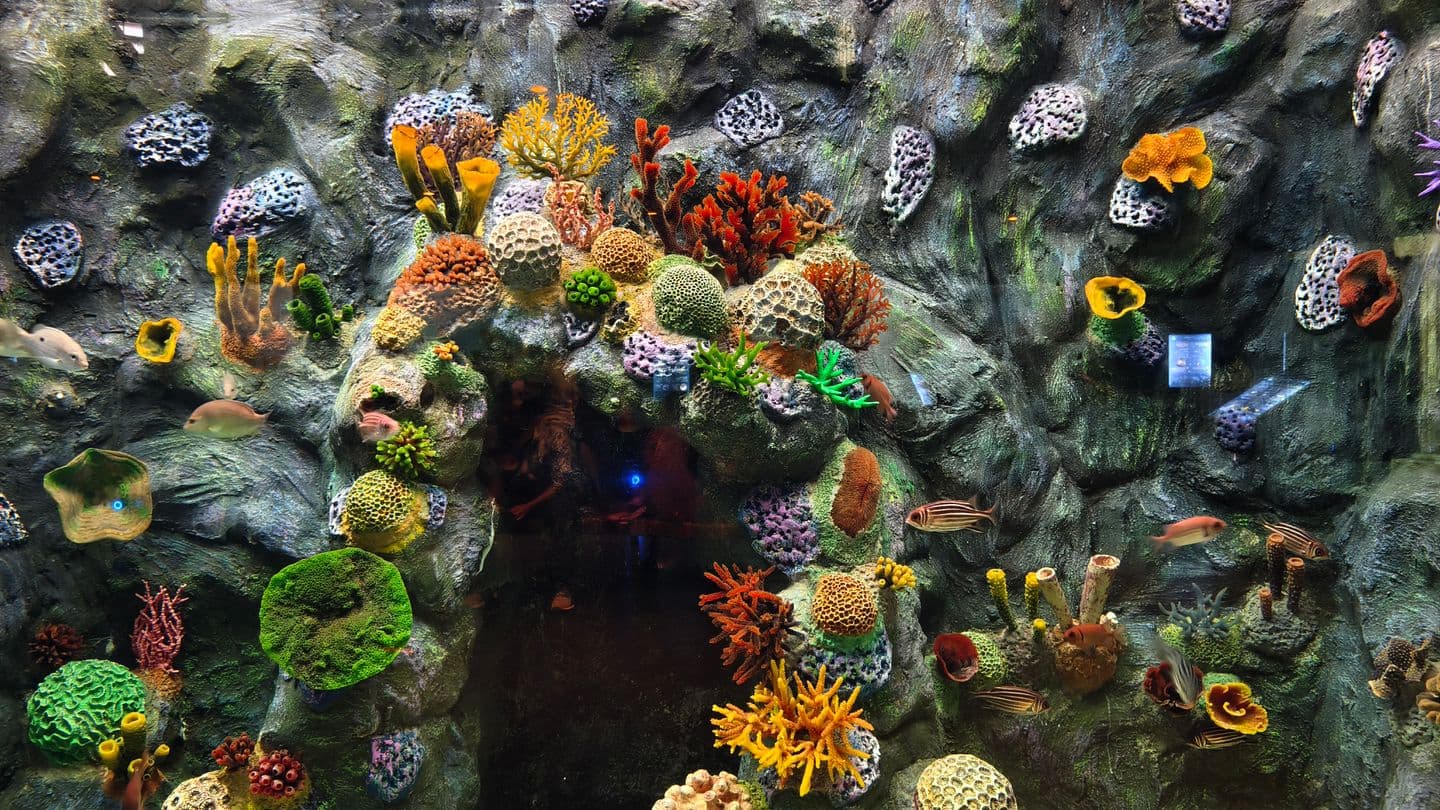
Fish That Play Nice With Corals: A Beginner's Guide to Reef Safe Species
Anyone setting up a reef tank eventually runs into the term reef safe. It sounds like a guarantee, but it is closer to a probability rating. No fish comes with a signed contract promising it will neve
Tags: reef safe fish, reef tank stocking, marine aquarium, clownfish, coral safe species
Anyone setting up a reef tank eventually runs into the term reef safe. It sounds like a guarantee, but it is closer to a probability rating. No fish comes with a signed contract promising it will never nibble a coral polyp, and even well-behaved species can turn opportunistic when underfed.
That said, decades of hobbyist experience have sorted marine fish into fairly reliable categories. Understanding these categories, rather than trusting a label at face value, is what actually protects a coral collection.
What reef safe actually means
A reef safe fish is one that, under normal conditions and with adequate feeding, leaves corals, clams, and other sessile invertebrates alone. Some species are reef safe without exception. Others are reef safe with caution, meaning they usually behave but have a documented history of occasional coral nipping, particularly as they mature or when the tank is short on food.
Reliable choices for a coral tank
Clownfish (ocellaris and percula types) stay close to their host anemone or coral and rarely bother other tank inhabitants
Firefish and other small gobies spend their time near rockwork and sand, posing no threat to corals
Royal gramma, a hardy basslet that adds colour without any interest in coral tissue
Chalk bass, an underrated peaceful species that does well even in small groups
Banggai cardinalfish, slow moving and content to hover near structure rather than graze
Most blennies, valued for grazing on nuisance algae rather than coral
Species that need a longer look
Dwarf angelfish, such as the flame or coral beauty angel, are popular for their colour but carry a real risk of nipping large polyp corals and clam mantles, especially in smaller tanks with limited grazing algae. Tangs are broadly reef safe but may show interest in soft corals like zoanthids once the tank matures. These fish are not off the table, but they reward a cautious approach: add them to an established, well-fed system and watch their behaviour closely in the first few weeks.
Setting up for success
Feed generously and on a consistent schedule so fish have no reason to test the coral menu
Add fish to a mature tank rather than a freshly cycled one, since hunger and stress both increase nipping behaviour
Research each species individually before buying, since reef safe ratings can vary between closely related fish
Keep a shortlist of two or three backup species when shopping in Indian metros, since availability of specific reef safe fish can be inconsistent between shipments
Reef safe is best treated as a strong likelihood rather than an absolute promise. Choose fish with a proven track record, keep them well fed, and watch your tank rather than the label on the price tag.
The scissortail rasbora, Rasbora trilineata, gets its name from the black-and-white banded tail fin, which opens and closes in a scissoring motion as the fish swims, a genuinely visible behaviour rath
Flushing a fish, whether dead or simply unwanted, down the toilet is a habit many Indian households have inherited without questioning it, and it carries real risks that are worth understanding.
A cover might seem like an afterthought compared to filtration or lighting, but for a saltwater tank it does real, unglamorous work: cutting evaporation, which matters a great deal given how salinity