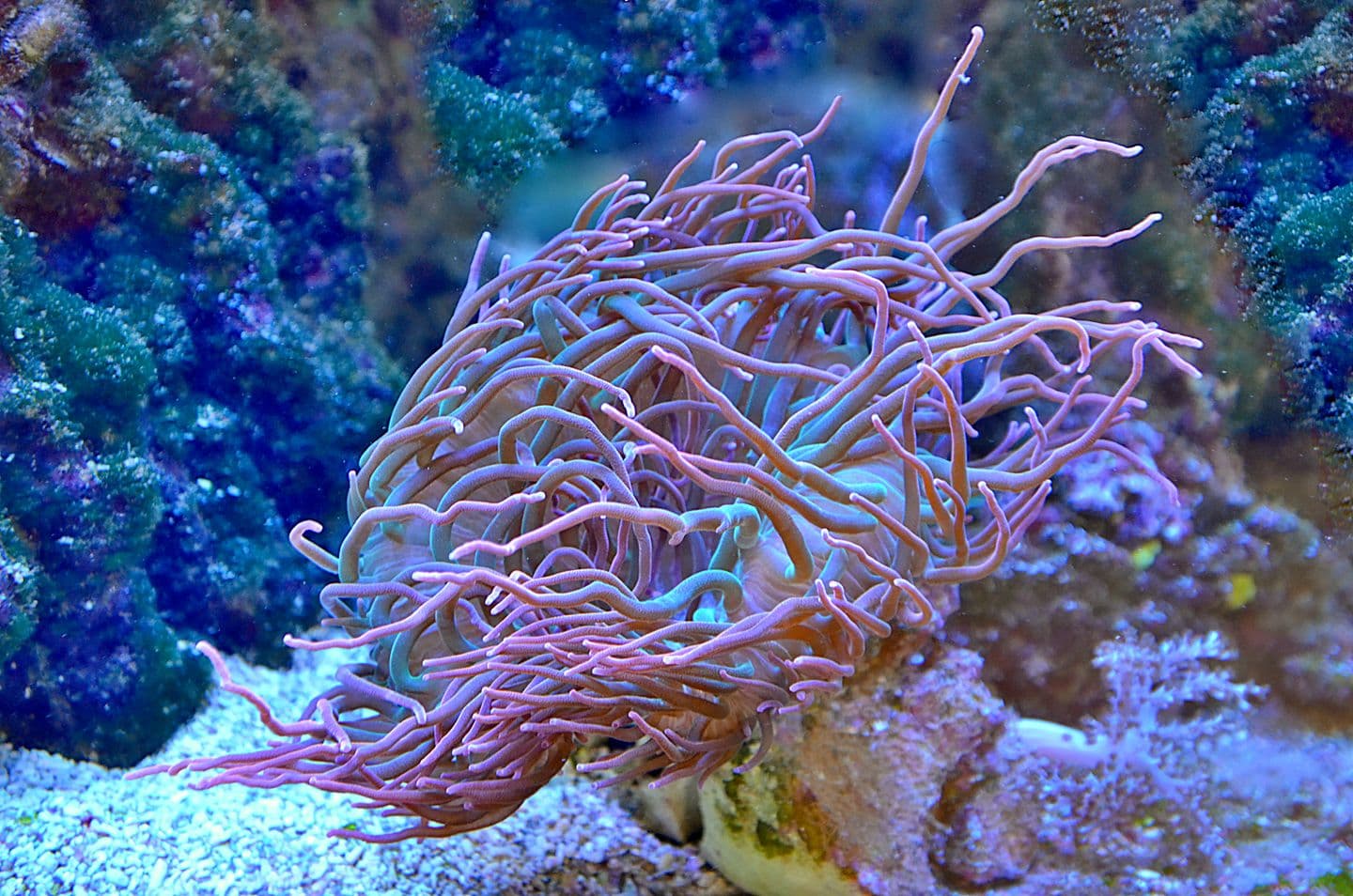
SPS (Small Polyp Stony) Corals: A Breed-by-Breed Care Guide for Indian Reef Tanks
SPS stands for Small Polyp Stony, and the name describes the corals well: tiny polyps, often no larger than a pinhead, spread across a hard branching, plating or encrusting skeleton. This is the least
SPS stands for Small Polyp Stony, and the name describes the corals well: tiny polyps, often no larger than a pinhead, spread across a hard branching, plating or encrusting skeleton. This is the least forgiving of the three major coral groups. SPS corals need high-intensity lighting, generally in the 200 to 450 PAR range depending on species and placement, strong turbulent flow, and water chemistry that barely moves from day to day. Even a modest swing in calcium, alkalinity or temperature can trigger bleaching or tissue loss in a way that a soft coral or LPS coral would shrug off. Most reef keepers are advised to wait until a tank has run stable for at least a year before adding SPS, and to start with the more tolerant genera covered below rather than jumping straight to Acropora.
The same legal position covered in the LPS article applies here without any difference: SPS corals fall under Schedule I of India's Wildlife (Protection) Act, 1972, and their commercial trade within the country is effectively banned, even though specimens do circulate in the hobby through informal channels. Anyone building an SPS-dominant tank in India should treat sourcing as carefully as they treat water chemistry.
A few habits apply across the whole SPS category rather than to any one coral. Calcium should sit around 400 to 450 ppm, alkalinity between 8 and 12 dKH, and magnesium around 1250 to 1350 ppm, ideally maintained with a two-part dosing system, a calcium reactor, or a dosing pump rather than left to drift. New SPS frags should be acclimated to light gradually over one to two weeks rather than placed straight under full-intensity fixtures. Nitrate and phosphate should be kept low but not stripped to zero, since ultra-low nutrients tend to leave SPS corals pale even when every other parameter looks fine. Placement in the upper half of the tank, where light and flow are both strongest, generally suits this whole group.
1. Acropora
Acropora is the most iconic reef-building coral genus and covers hundreds of species across staghorn, table and branching forms. It is also the most demanding coral commonly kept in the hobby, needing high light (roughly 250 to 450 PAR), strong random turbulent flow, and water parameters that barely fluctuate. Under good conditions Acropora can grow several inches a month, but that same sensitivity means it is usually the first coral to show stress if anything in the tank drifts, making it a coral to add only once a system has been stable for a year or more rather than a starting point for SPS.
Lighting: high, roughly 250 to 450 PAR
Flow: strong and turbulent, ideally from multiple directions
Water chemistry: needs to be rock stable; this is the least tolerant genus on this list to any fluctuation
Suitability: for established, mature reef tanks only, not a first SPS purchase
2. Montipora
Montipora is widely considered the best entry point into SPS keeping. It grows in encrusting, plating or branching forms and comes in a wide range of colours, and while it still needs strong lighting and flow, it tolerates minor fluctuations far better than Acropora does. Montipora is also a fast grower, which means its calcium demand can climb quickly as a colony expands, so it is worth watching calcium levels rather than assuming a dosing routine set up for a smaller tank will keep pace.
Lighting: moderate to high
Flow: moderate to high
Suitability: a good first SPS coral for a reef keeper moving up from LPS
Note: fast growth means calcium and alkalinity should be checked regularly, not assumed stable
3. Birdsnest Coral (Seriatopora)
Birdsnest coral forms delicate, needle-like branches that genuinely resemble a small bird's nest, and it is considered one of the easier SPS corals to keep. Its lighting and flow needs are similar to Acropora but somewhat more forgiving, making it a reasonable stepping stone once a Montipora colony is doing well. Colour intensity tracks lighting closely: pink and paler colour varieties generally want brighter light than the green forms to hold their colour.
Lighting: moderate to high
Flow: strong, though slightly more forgiving than Acropora
Aggression: low, with a short polyp reach, but the branching structure needs room to spread
4. Stylophora
Sometimes called cat's paw coral for its thicker, club-shaped branch tips, Stylophora tolerates a wider range of conditions than Acropora and is generally regarded as one of the easier SPS genera for a hobbyist making the jump from LPS. It still needs strong lighting and flow to hold colour and grow well, but it is more forgiving of the small parameter swings that would stress an Acropora colony.
Lighting: moderate to high
Flow: moderate to high
Suitability: a good second or third SPS coral alongside Montipora and Birdsnest
5. Pocillopora
Pocillopora forms a bushy, branching colony and sits among the more approachable SPS corals. One notable trait of Pocillopora damicornis in particular is that it can spawn spontaneously in a home reef tank under the right conditions, occasionally forming new colonies without any deliberate fragging. Care needs track closely with Montipora and Stylophora, making it a sensible addition once a tank has proven it can hold SPS-grade parameters.
Lighting: moderate to high
Flow: moderate to high
Suitability: beginner to intermediate tier within the SPS category, alongside Montipora and Stylophora
The scissortail rasbora, Rasbora trilineata, gets its name from the black-and-white banded tail fin, which opens and closes in a scissoring motion as the fish swims, a genuinely visible behaviour rath
Flushing a fish, whether dead or simply unwanted, down the toilet is a habit many Indian households have inherited without questioning it, and it carries real risks that are worth understanding.
A cover might seem like an afterthought compared to filtration or lighting, but for a saltwater tank it does real, unglamorous work: cutting evaporation, which matters a great deal given how salinity