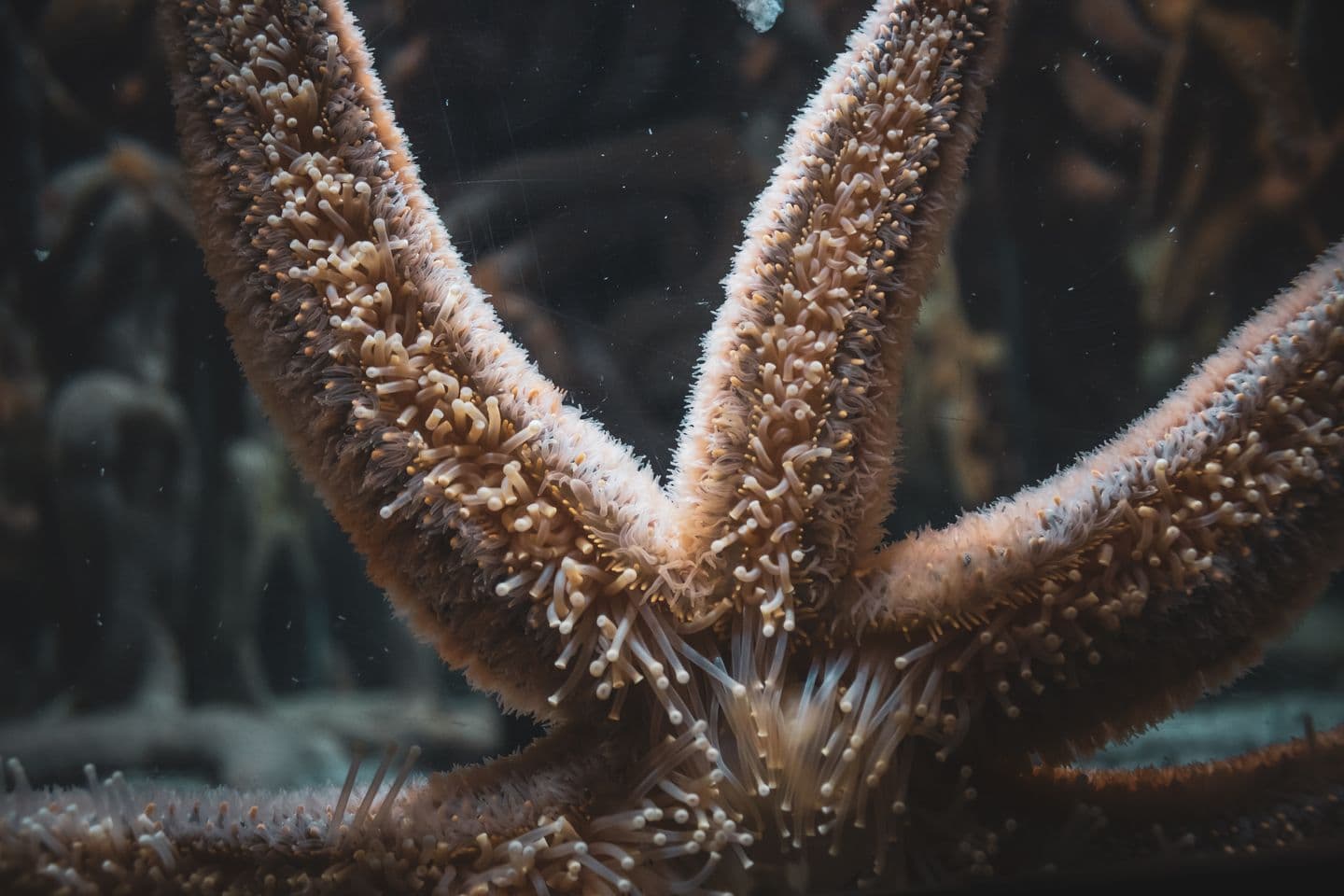
Starfish in Reef Aquariums: Fromia, Sand Sifting, Chocolate Chip and Brittle Stars
Starfish look deceptively low maintenance, a slow moving animal sitting on a rock seems like the easiest thing to keep in a tank. The reality for Indian reef keepers is closer to the opposite. Starfis
Starfish look deceptively low maintenance, a slow moving animal sitting on a rock seems like the easiest thing to keep in a tank. The reality for Indian reef keepers is closer to the opposite. Starfish as a group are among the most sensitive animals commonly sold in the marine hobby, intolerant of unstable water parameters, prone to injury from rough handling, and in more than one case, genuinely unsuited to a coral filled display no matter how the shop label reads. None of the four types below are native to Indian coastal waters and all arrive here as imports.
Fromia Starfish
Fromia Starfish (Fromia milleporella and related Fromia species), sold under names like the Red Starfish or Red Fromia, are among the most popular reef safe starfish in the hobby, and for good reason: they have the classic five armed starfish shape most people picture, come in striking red and orange colours, and are genuinely safe around coral. What they are not is beginner friendly despite that reputation. Fromia feed on biofilm, detritus and microfauna that develop naturally on live rock in a mature tank, and they are notoriously difficult to target feed directly, which means a young or overly clean tank simply cannot sustain one.
Only add a Fromia Starfish to a tank that has been running for six months or more, ideally fifty gallons or larger with plenty of established live rock. Acclimate it slowly and carefully, since Fromia are also known to be sensitive during the acclimation process itself, more starfish are lost in the first week after purchase than at any other point in their life in the tank. Given a stable, mature reef, they are a rewarding, colourful addition. Given anything less, they tend to slowly starve without any obvious symptoms until it is too late.
Sand Sifting Starfish
The Sand Sifting Starfish (Astropecten polycanthus) earns its keep by burrowing through the sand bed and consuming the worms, copepods and other microfauna living in it, which keeps the substrate aerated and free of buildup. This is also exactly why it needs careful thought before buying. A Sand Sifting Starfish is extremely effective, sometimes too effective, and in a tank without a large, mature, well stocked sand bed it will strip out the microfauna population faster than the tank can replenish it, then slowly starve once the food source is gone.
This species is best suited to a large, established tank of seventy five gallons or more with a deep, mature sand bed, not a young or small nano tank. If your sand bed cannot support it long term, supplementing with small pieces of meaty food placed directly near the starfish helps, but this is a stopgap rather than a substitute for a genuinely rich sand bed. Treat this as a species for an experienced hobbyist with an established system, not an easy first starfish.
Chocolate Chip Starfish
The Chocolate Chip Starfish (Protoreaster nodosus) is one of the most visually striking starfish sold in the trade, a pale tan body studded with dark, cone shaped bumps that genuinely resemble chocolate chips, and it is correspondingly one of the most commonly sold to first time buyers who have not been told the full picture. It is not reef safe. This needs to be stated plainly rather than as a footnote: Chocolate Chip Starfish are voracious predators that will eat coral, clams, sponges and other invertebrates given the chance, and they grow considerably larger than most buyers expect, potentially reaching close to thirty centimetres across.
Keep this species only in a fish only with live rock setup, never in a display with coral or valuable invertebrates you want to keep. They are hardy, unfussy eaters that will readily take shrimp, clam or mussel pieces, which is part of what makes them easy to keep and easy to oversell. If a shop in India offers you a Chocolate Chip Starfish for a reef tank, that is worth questioning directly before buying.
Brittle Star
Brittle Stars (commonly sold species include Ophiocoma erinaceus and various Ophioderma species) are built differently from a classic starfish, with a small central disc and long, thin, flexible arms that move in a rapid, almost snake like motion rather than the slow glide of a Fromia or Chocolate Chip. They are largely scavengers, consuming detritus, uneaten fish food and meaty leftovers, and they are considerably hardier and more tolerant of a young or less than perfectly stable tank than most other starfish on this list, which makes them a genuinely reasonable choice for a newer Indian reef keeper.
One species specific warning is worth flagging clearly: the Green Brittle Star (Ophiarachna incrassata) is the exception to the generally peaceful reputation of this group. It is an ambush predator capable of catching and eating small fish, and should not be assumed reef safe purely because most other brittle stars are. Stick to the smaller, commonly traded brown or red serpent and brittle star species for a genuinely reef safe scavenger, and research the specific species being sold rather than trusting the general name alone. Fed a varied diet of small meaty foods two to three times a week, ordinary Brittle Stars are active, interesting, and among the more forgiving starfish available to an Indian hobbyist.
A general note on starfish and copper
Every species covered here, along with virtually all marine invertebrates, is highly sensitive to copper. Never treat a tank containing starfish, or any invertebrate, with copper based fish medications, and be cautious about adding fish that have recently been through copper treatment in a separate quarantine tank without a proper detox period first. This single point accounts for a meaningful share of unexplained starfish deaths reported by hobbyists.
The scissortail rasbora, Rasbora trilineata, gets its name from the black-and-white banded tail fin, which opens and closes in a scissoring motion as the fish swims, a genuinely visible behaviour rath
Flushing a fish, whether dead or simply unwanted, down the toilet is a habit many Indian households have inherited without questioning it, and it carries real risks that are worth understanding.
A cover might seem like an afterthought compared to filtration or lighting, but for a saltwater tank it does real, unglamorous work: cutting evaporation, which matters a great deal given how salinity