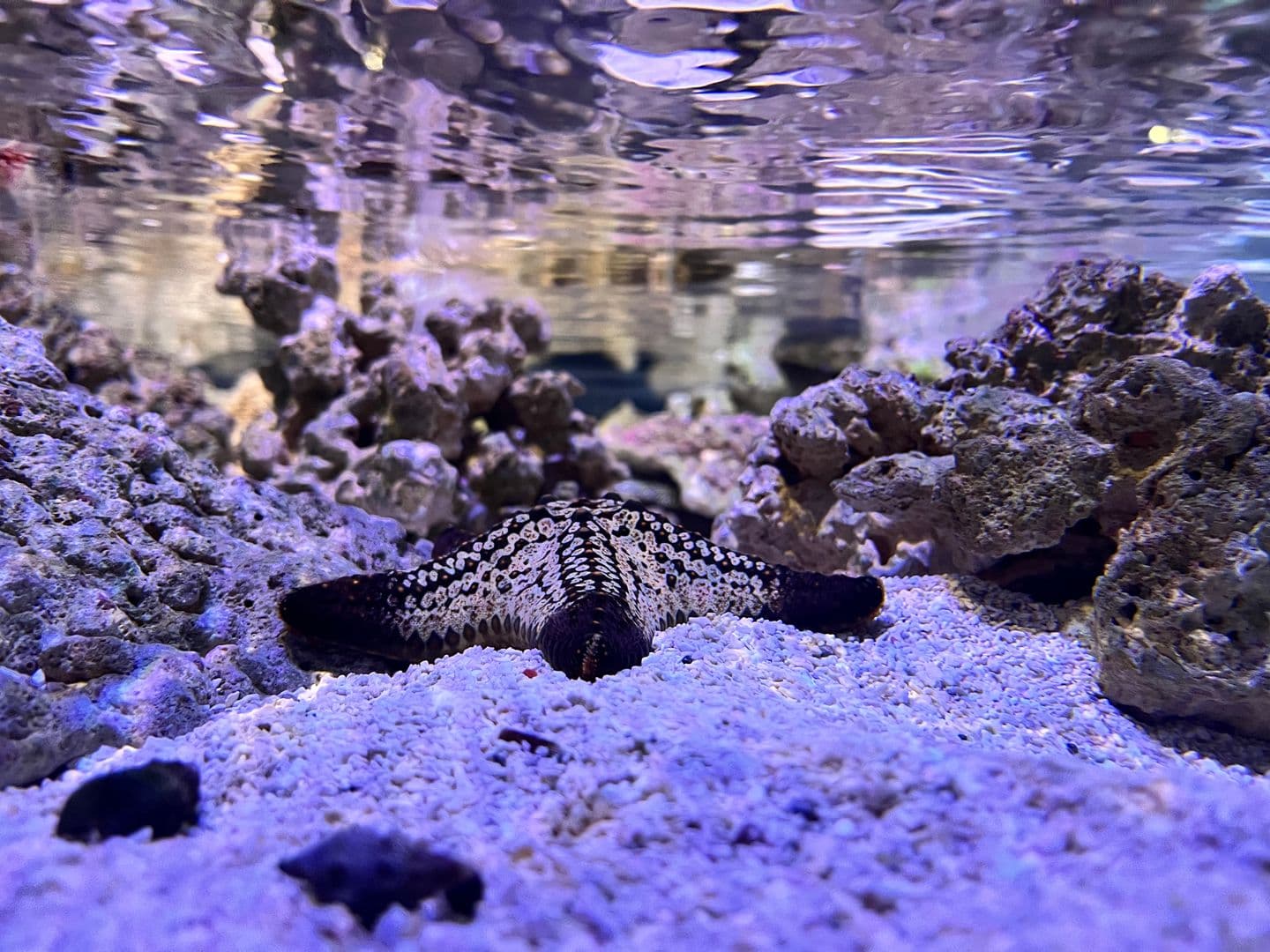
Before You Bring Home a Starfish: What Every Buyer Should Know
Starfish have a way of looking deceptively low maintenance. They move slowly, ask for little visible attention, and add real visual interest to a tank. The reality is more demanding. Starfish are amon
Tags: starfish care, sea star aquarium, buying starfish, brittle starfish, marine invertebrates
Starfish have a way of looking deceptively low maintenance. They move slowly, ask for little visible attention, and add real visual interest to a tank. The reality is more demanding. Starfish are among the least tolerant marine animals when it comes to water quality, and buying one without understanding its specific needs is one of the more common invertebrate mistakes in the hobby.
Questions to answer before buying
Is my tank fully established? Starfish generally need a mature system, not a newly cycled one, since sudden parameter shifts are especially hard on them
What does this species actually eat? Some starfish graze algae and detritus, others need meaty foods delivered directly to them, and a few prey specifically on corals or clams
How big will it get, and does my tank have room? Chocolate chip starfish, for example, can exceed 30 centimetres across and need a large, well fed system
Is it reef safe? Chocolate chip and knobby starfish have a documented history of eating soft corals and clams, making them a poor fit for a coral focused tank
More forgiving choices for newer keepers
Brittle stars, relatively hardy scavengers that do well in a range of tank types
Asterina starfish, tiny and often arrive unintentionally as hitchhikers on live rock, generally harmless in small numbers
Sand sifting starfish, useful for aerating the sand bed, though they need a deep sand bed and consistent food or they slowly starve
Setting a starfish up to thrive
Maintain stable salinity, with a specific gravity of around 1.023 to 1.025 and minimal daily fluctuation
Drip acclimate every new starfish over an hour or more rather than a quick float and release
Never use copper based medication in a tank that houses starfish or any other invertebrate
Watch for early signs of distress, such as arms that look soft, curled, or are beginning to shed tissue, and act quickly if seen
A healthy starfish, correctly matched to a tank, can live for many years and become one of the more quietly fascinating residents in a marine system. The species match matters more here than almost anywhere else in the hobby. Starfish reaching Indian hobbyists have usually travelled a long distance by air before arriving at a local shop, so ask how recently a specimen came in. A starfish that has had a week or more to recover and start feeding at the dealer's own tank is a far safer buy than one sold within a day or two of arrival.
The scissortail rasbora, Rasbora trilineata, gets its name from the black-and-white banded tail fin, which opens and closes in a scissoring motion as the fish swims, a genuinely visible behaviour rath
Flushing a fish, whether dead or simply unwanted, down the toilet is a habit many Indian households have inherited without questioning it, and it carries real risks that are worth understanding.
A cover might seem like an afterthought compared to filtration or lighting, but for a saltwater tank it does real, unglamorous work: cutting evaporation, which matters a great deal given how salinity