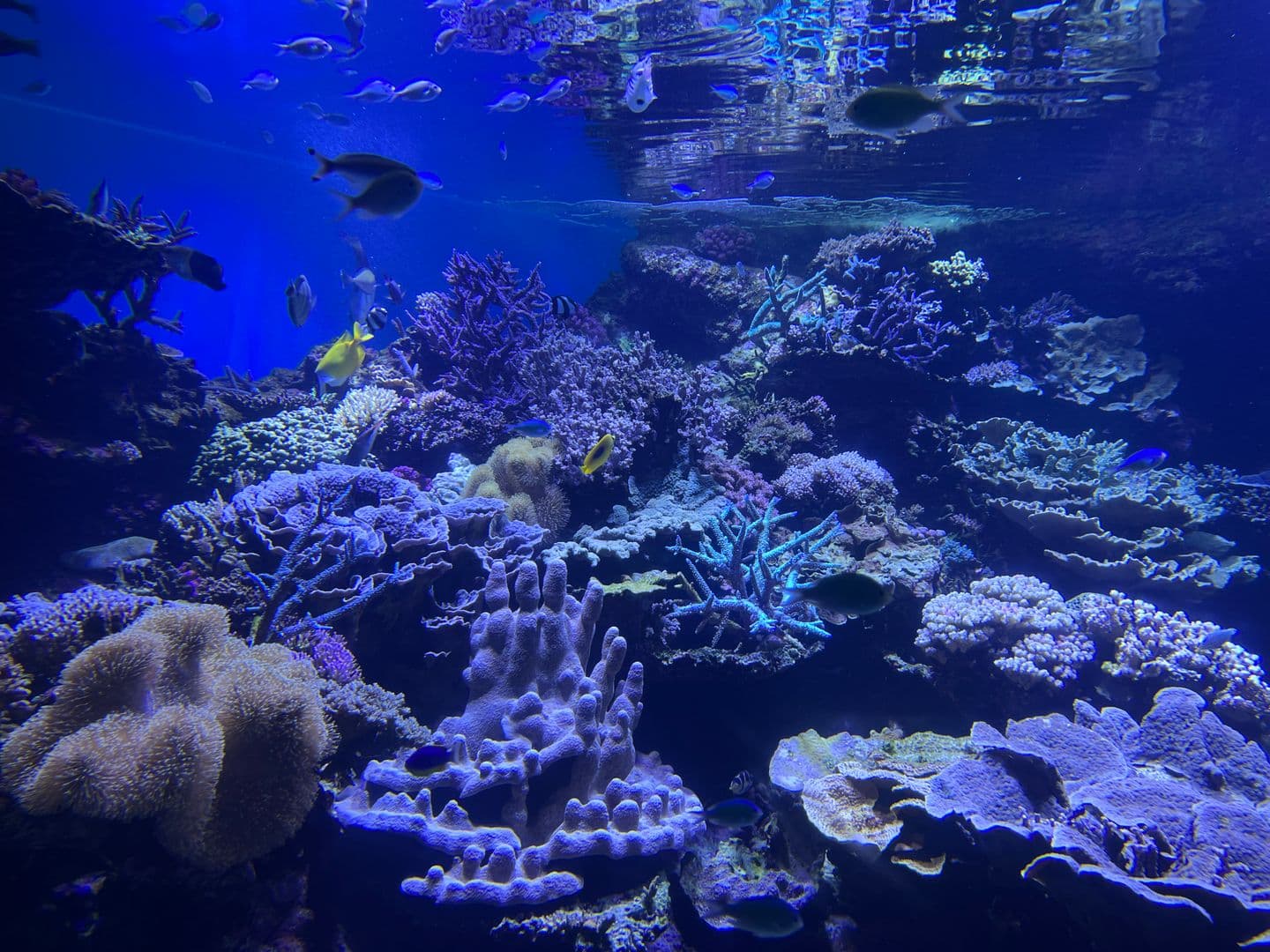
Beyond the Fish: The Most Charming Little Creatures for a Marine Tank
Fish get most of the attention in a marine tank, but some of the most entertaining residents have no fins at all. Marine invertebrates, the shrimp, crabs, snails, and starfish that share the tank, bri
Fish get most of the attention in a marine tank, but some of the most entertaining residents have no fins at all. Marine invertebrates, the shrimp, crabs, snails, and starfish that share the tank, bring their own personalities, and several of them are genuinely endearing to watch once you know what to look for.
Shrimp with real character
Cleaner shrimp, which set up a cleaning station and pick parasites off willing fish, an interaction that never quite loses its charm
Peppermint shrimp, small, active, and useful for controlling pest anemones
Fire shrimp, a bright red species that adds a splash of colour to rockwork
Pistol shrimp, which dig burrows and often pair up with a watchman goby in one of the more delightful partnerships in the reef world
Crabs worth getting to know
Blue leg hermit crabs, tiny and constantly busy grazing on algae film
Emerald crabs, valued for eating bubble algae that few other tank residents will touch
Porcelain crabs, filter feeders with an almost comical habit of waving their feathery arms through the water
Snails and other quiet workers
Snails rarely win a popularity contest, but a tank full of turbo and nassarius snails quietly patrolling the glass and sand has its own understated charm, and their constant grazing does more for tank cleanliness than almost any equipment upgrade.
A gentler side of the reef
Sea stars, slow moving and oddly hypnotic to watch cross the glass
Feather duster worms, which unfurl a delicate crown to filter feed and retract instantly if startled
Sea cucumbers, unglamorous but effective at keeping the sand bed healthy
A few care basics before adding invertebrates
Add invertebrates only to a tank with no history of copper based medication, since copper is lethal to most of them
Introduce new invertebrates only once some algae has grown in the tank, so they have something to eat immediately
Watch hermit crab numbers carefully, since overcrowding can lead to them attacking snails for empty shells
Acclimate slowly using a drip method, since invertebrates are generally more sensitive to sudden changes in salinity than fish
The scissortail rasbora, Rasbora trilineata, gets its name from the black-and-white banded tail fin, which opens and closes in a scissoring motion as the fish swims, a genuinely visible behaviour rath
Flushing a fish, whether dead or simply unwanted, down the toilet is a habit many Indian households have inherited without questioning it, and it carries real risks that are worth understanding.
A cover might seem like an afterthought compared to filtration or lighting, but for a saltwater tank it does real, unglamorous work: cutting evaporation, which matters a great deal given how salinity