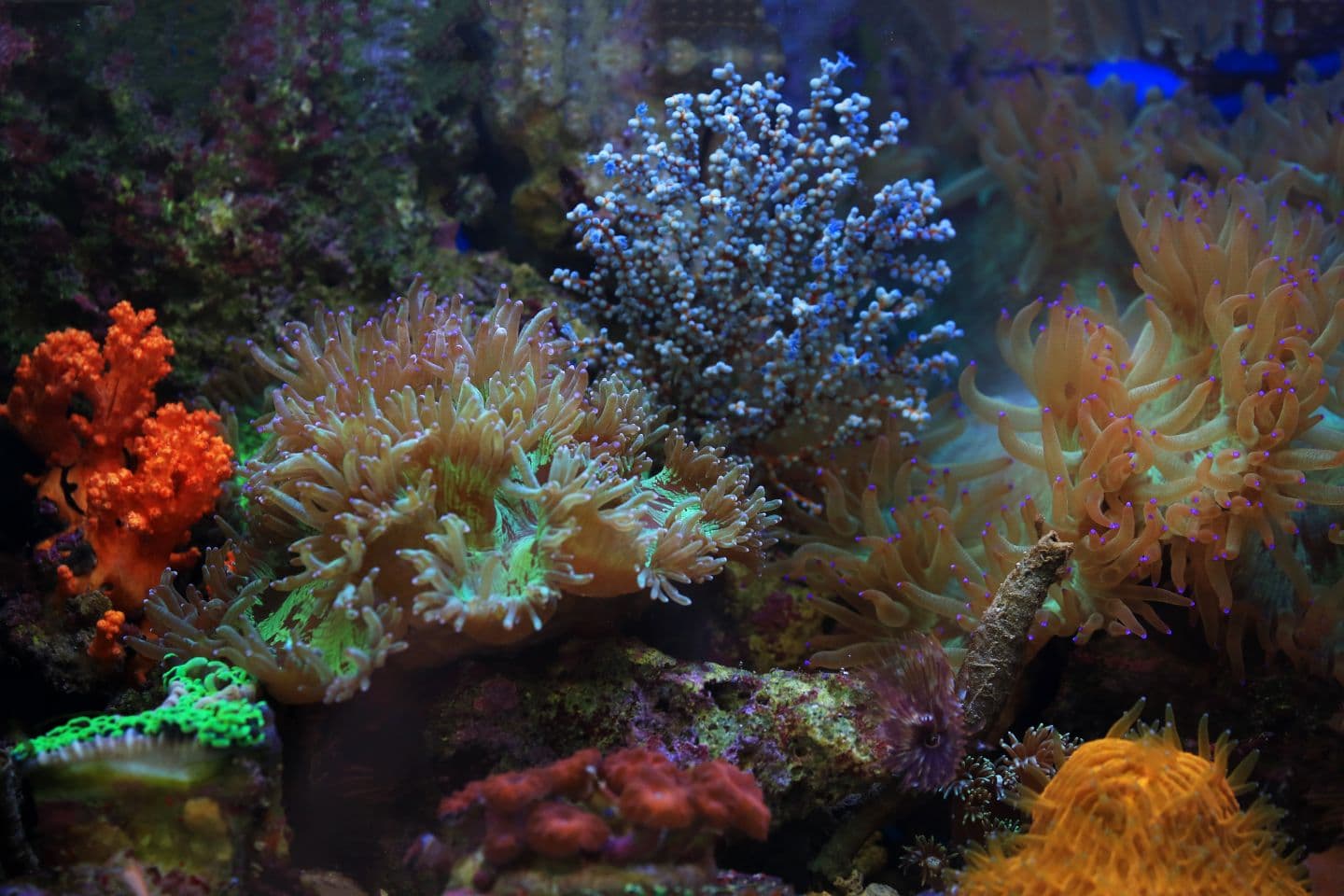
Converting a Freshwater Aquarium into a Saltwater Aquarium
Many Indian saltwater hobbyists start out in freshwater and later want to make the switch, often using the same tank rather than buying a new one. The conversion is straightforward in principle, strip
Many Indian saltwater hobbyists start out in freshwater and later want to make the switch, often using the same tank rather than buying a new one. The conversion is straightforward in principle, strip the tank down and rebuild it for marine conditions, but a few details are worth getting right before you begin.
Check the Tank Itself First
Almost any glass or acrylic aquarium can be converted to saltwater. The one thing to check carefully is metal. Any exposed iron or steel in the frame, stand fittings or old undergravel filter components will rust in a marine environment. Glass and acrylic tanks with plastic or coated frames are ideal candidates.
Strip It Down Completely
Remove all fish first and rehome them properly, never mix freshwater and marine livestock in the same water
Remove freshwater plants, gravel and decorations
Take out any undergravel filter plates and wire based heaters, which are not generally suited to marine use
Scrub the tank and any equipment you plan to reuse with warm water only, no soap or detergent, which can leave residue harmful to marine life
New Substrate and Filtration
Freshwater gravel does not belong in a marine tank. Replace it with crushed coral or aragonite sand, which helps buffer pH and calcium as it slowly dissolves. Your existing power filter, canister filter or hang on back filter can usually stay, though marine tanks generally benefit from being upgraded with live rock, which handles much of the biological filtration, and stronger water flow than most freshwater setups use.
What You Will Need to Add
Marine salt mix and a hydrometer or refractometer to measure salinity accurately
Live rock, which seeds the tank with beneficial bacteria and forms the visual backbone of most marine tanks
A protein skimmer, particularly important once you move beyond a very lightly stocked fish only tank
Saltwater specific test kits, since freshwater kits are not accurate for marine chemistry
Stronger powerheads for water movement, especially if you plan to keep corals eventually
Cycling Again
Even though your filter media has already been colonised by freshwater bacteria, those bacteria die off quickly in saltwater due to osmotic shock, so the tank effectively needs to cycle again from close to zero. Treat it as a new setup for cycling purposes, testing ammonia and nitrite daily until both read zero before adding your first marine fish.
The conversion itself typically takes a weekend of physical work, cleaning, replacing substrate, plumbing in new equipment, but the patience required is really about the weeks that follow, letting the tank cycle and stabilise properly before stocking it.
Sourcing and Disposal in India
Marine salt mix and aragonite or crushed coral substrate are both readily available through Indian online aquarium retailers and specialist marine shops, though they cost meaningfully more than freshwater gravel and dechlorinator, worth budgeting for before you commit to the switch. Do not simply bin your old freshwater gravel and decorations with general household waste if they are still in good condition, many local aquarium groups and shops are happy to take working freshwater equipment and substrate off your hands for a beginner setup.
The scissortail rasbora, Rasbora trilineata, gets its name from the black-and-white banded tail fin, which opens and closes in a scissoring motion as the fish swims, a genuinely visible behaviour rath
Flushing a fish, whether dead or simply unwanted, down the toilet is a habit many Indian households have inherited without questioning it, and it carries real risks that are worth understanding.
A cover might seem like an afterthought compared to filtration or lighting, but for a saltwater tank it does real, unglamorous work: cutting evaporation, which matters a great deal given how salinity