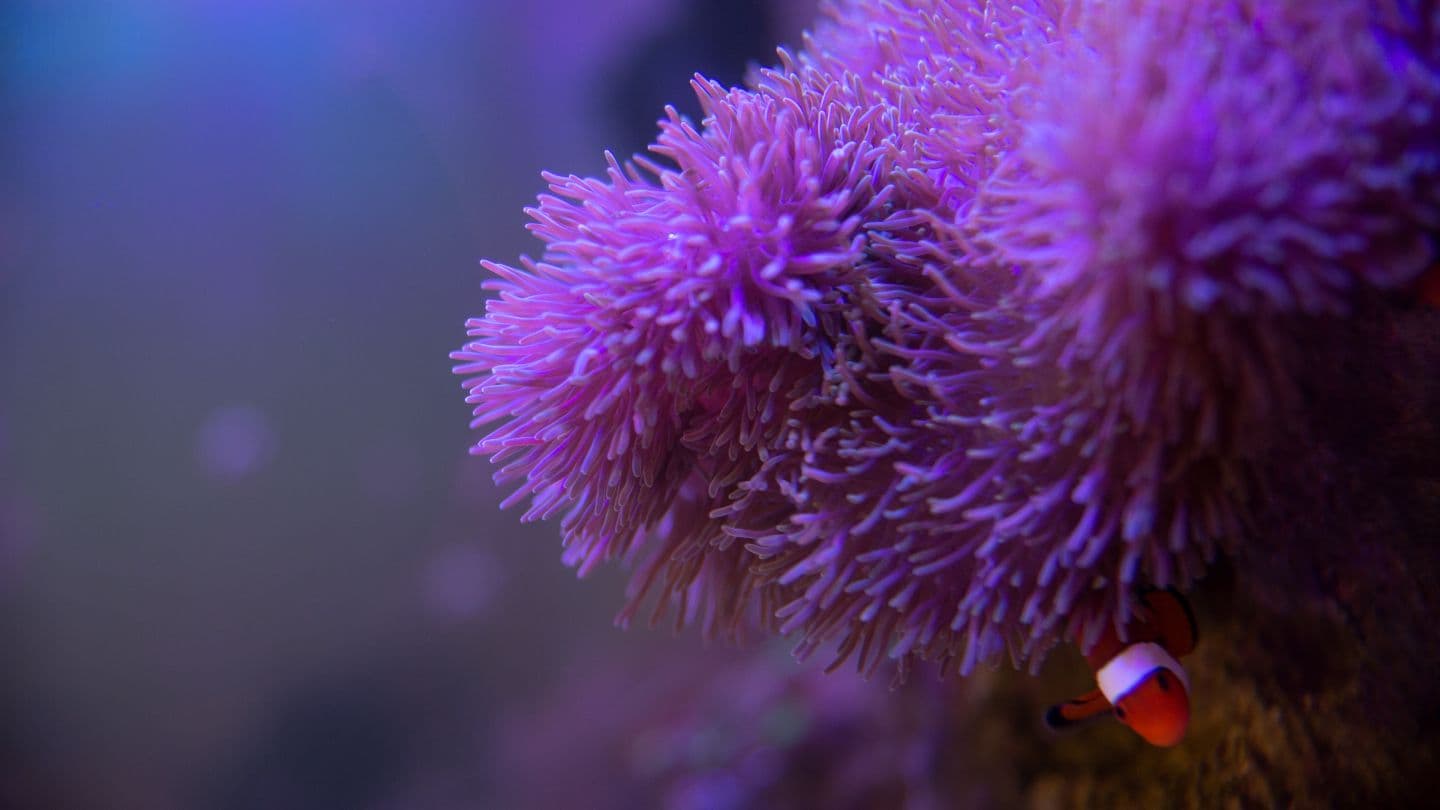
Dealing with Aiptasia: The Anemone Every Reef Keeper Learns to Hate
Sooner or later, most saltwater aquarists find a small, translucent anemone with wispy tentacles has appeared on a rock, seemingly overnight. That is Aiptasia, and it is one of the most persistent pes
Sooner or later, most saltwater aquarists find a small, translucent anemone with wispy tentacles has appeared on a rock, seemingly overnight. That is Aiptasia, and it is one of the most persistent pests in the hobby.
Why it is such a problem
Aiptasia arrives as a hitchhiker on live rock or coral frags and reproduces both sexually and asexually, mainly through a process called pedal laceration, where small fragments of tissue tear away from the anemone's foot as it moves. Even a fragment smaller than a grain of rice left behind after a clumsy removal attempt can regenerate into a fully formed new anemone within one to two weeks, which is why physical methods like scraping or cutting usually make an outbreak worse rather than better. Left unchecked, Aiptasia will sting and outcompete corals and fish for space and food.
Effective removal methods
Injection with a purpose made product, or with a DIY solution of lemon juice concentrate, delivered directly into the anemone's mouth with a syringe so it cannot spit the liquid back out.
A kalkwasser paste, made from calcium hydroxide mixed to a thick paste with fresh water, applied directly onto the anemone with a syringe or cotton bud.
Water that has just been boiled and allowed to sit for a few seconds off the heat, injected directly onto the anemone with a syringe, which cools rapidly in the surrounding tank water and generally does not harm other livestock nearby, though it should still be aimed carefully and kept away from corals and fish.
Biological control using peppermint shrimp, which will eat small to medium Aiptasia, or Berghia nudibranchs, which eat nothing but Aiptasia and are considered the most reliable natural solution for a heavy infestation.
A practical note on kalkwasser in India
Calcium hydroxide is sold widely across India as slaked lime, used in everything from construction to paan preparation, and food grade versions are inexpensive and easy to source from hardware or chemical suppliers. Just make sure you are using an aquarium safe or food grade product rather than an industrial one before mixing a paste for use in the tank.
Prevention beats cure
Dip every new coral frag before it goes into the display tank, and inspect live rock closely under strong light for the telltale translucent polyps before adding it. Since Berghia nudibranchs are rarely stocked by Indian aquarium shops and usually need to be sourced from specialist marine breeders online, most hobbyists will rely on the injection methods above as their first line of defence, keeping a close eye on new additions so an outbreak is caught while it is still small enough to handle by hand.
The scissortail rasbora, Rasbora trilineata, gets its name from the black-and-white banded tail fin, which opens and closes in a scissoring motion as the fish swims, a genuinely visible behaviour rath
Flushing a fish, whether dead or simply unwanted, down the toilet is a habit many Indian households have inherited without questioning it, and it carries real risks that are worth understanding.
A cover might seem like an afterthought compared to filtration or lighting, but for a saltwater tank it does real, unglamorous work: cutting evaporation, which matters a great deal given how salinity