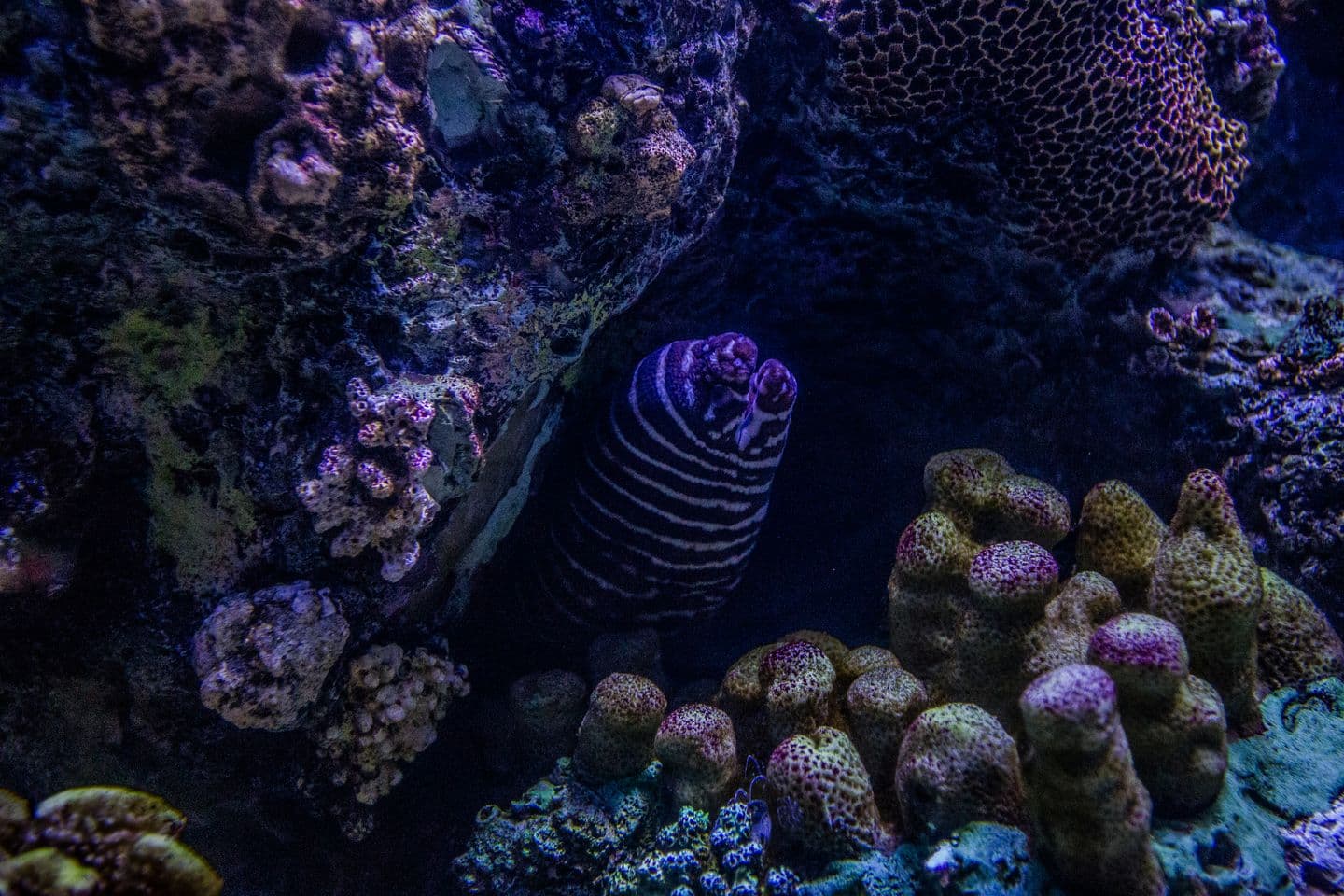
Getting Started with Saltwater Fish: A First Timer's Roadmap for India
Saltwater fishkeeping has a reputation for being expensive and unforgiving. Some of that is true. Most of it is manageable once you understand what you are actually building: a small, closed ocean tha
Saltwater fishkeeping has a reputation for being expensive and unforgiving. Some of that is true. Most of it is manageable once you understand what you are actually building: a small, closed ocean that depends entirely on you to stay stable.
A freshwater tank forgives a lot of small mistakes. A marine tank punishes them, especially in the first three months. The good news is that the physics and biology involved are well understood, and Indian hobbyists now have far better access to marine salt mixes, test kits and livestock than they did even five years ago, largely through online aquarium retailers and a growing number of specialist stores in Mumbai, Bengaluru, Chennai, Pune and Delhi NCR.
What You Are Actually Setting Up
A saltwater aquarium is not just a tank with salt added to the water. You are recreating, in miniature, an ecosystem that includes live rock (porous calcium carbonate rock colonised by bacteria and small organisms), a protein skimmer to pull organic waste out before it breaks down, stronger water movement than most freshwater tanks need, and a far tighter tolerance for ammonia, nitrite and swings in temperature or salinity.
Decide early whether you want a fish only tank, a fish only tank with live rock, or a full reef tank with corals. Each step up adds cost, lighting demands and sensitivity. Most first timers do best starting fish only with live rock, then adding corals once the tank has proven itself stable for several months.
Tank Size: Bigger Is Genuinely Easier
This is the one piece of advice almost every experienced reefkeeper agrees on. A larger volume of water dilutes waste and buffers temperature and salinity swings, so mistakes take longer to become emergencies. A tank of 150 to 200 litres is a realistic, forgiving starting point for most Indian apartments. Anything under 100 litres is workable but leaves very little room for error, and is best attempted only after some freshwater experience.
The Core Equipment List
A tank and stand rated for the filled weight (glass or acrylic, with a stand built for aquarium use, not ordinary furniture)
A protein skimmer sized for your tank volume
A powerhead or two for water movement, since marine fish and corals need more flow than most freshwater fish
A reliable heater, and in most of India, a small fan or chiller for peak summer months since marine species are less tolerant of high temperatures than many freshwater fish
A hydrometer or, better, a refractometer to measure salinity accurately
Test kits for ammonia, nitrite, nitrate and pH at minimum, with calcium, alkalinity and magnesium kits added if you plan to keep corals
Marine salt mix, RO or RO/DI water, and a large mixing container
Cycling Before Anything Else
Every new marine tank must go through the nitrogen cycle before it can safely hold fish. Bacteria colonies that convert toxic ammonia into nitrite, then into far less harmful nitrate, need to establish themselves on the live rock and in the filter media. This typically takes four to six weeks. Adding fish before the cycle completes is the single most common reason new saltwater tanks fail in the first month.
Test the water daily during this period. Once ammonia and nitrite both read zero and nitrate is present, the tank is ready for its first, hardy fish.
Water: The Part Indian Hobbyists Ask About Most
Tap water across most Indian cities carries enough dissolved minerals and chlorine or chloramine to cause problems in a marine tank, where tolerances are tight. Reverse osmosis, or reverse osmosis with deionisation (RO/DI), is worth the investment even for a modest first tank. Many local marine stores now sell RO water by the can if you are not ready to buy your own unit.
Choosing Your First Fish
Resist the urge to buy the most colourful fish in the shop on day one. Clownfish, certain damselfish and firefish tend to be hardy starting points. Add fish slowly, one or two at a time, with a gap of two to three weeks between additions, so the biological filter has time to catch up with the extra waste load.
Getting the fundamentals right in the first month, patience with the cycle, generous water movement, a stable salinity, sets the tone for everything that follows. Marine fishkeeping rewards a slow, careful start far more than it rewards enthusiasm.
The scissortail rasbora, Rasbora trilineata, gets its name from the black-and-white banded tail fin, which opens and closes in a scissoring motion as the fish swims, a genuinely visible behaviour rath
Flushing a fish, whether dead or simply unwanted, down the toilet is a habit many Indian households have inherited without questioning it, and it carries real risks that are worth understanding.
A cover might seem like an afterthought compared to filtration or lighting, but for a saltwater tank it does real, unglamorous work: cutting evaporation, which matters a great deal given how salinity