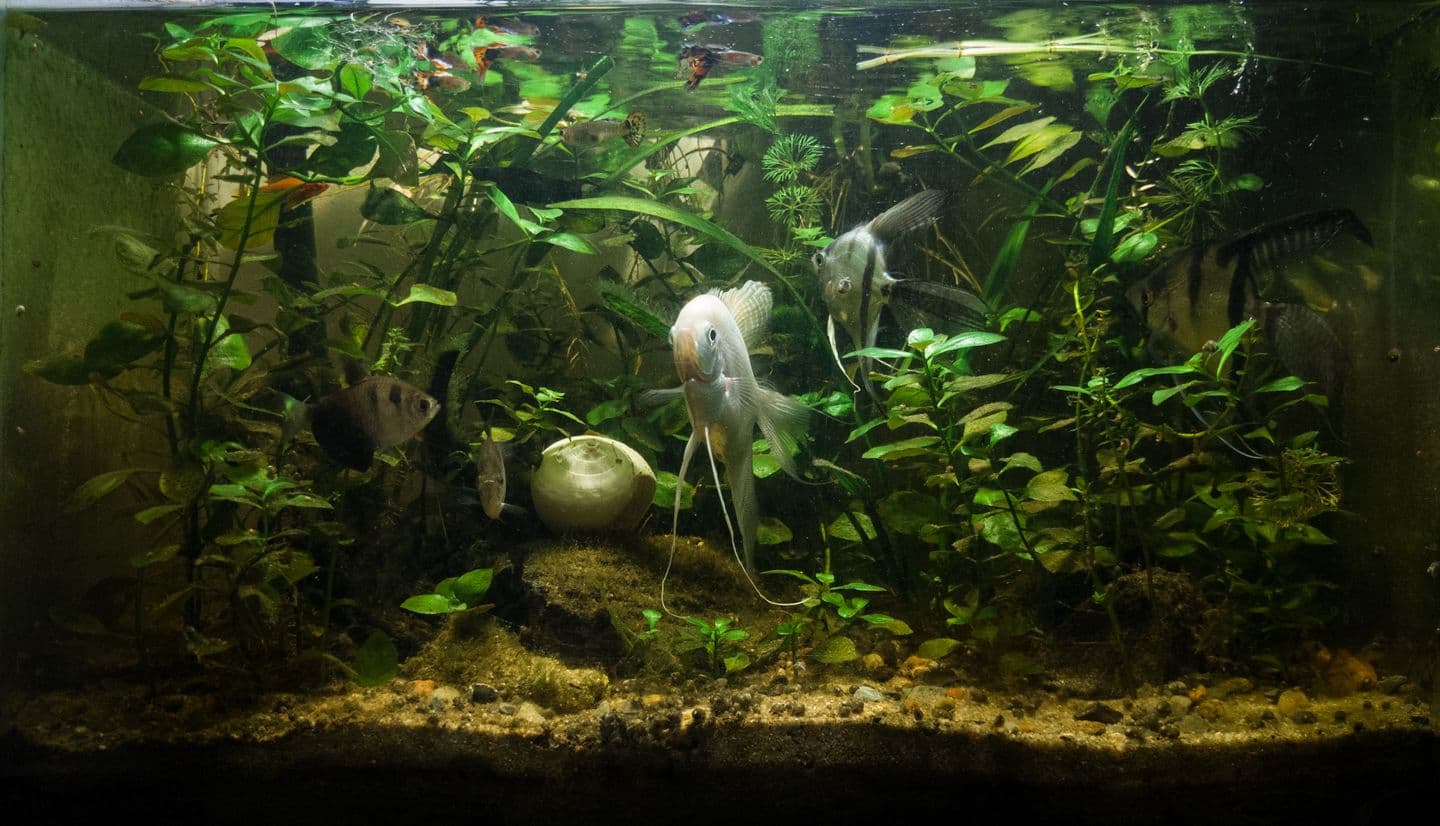
How to Coax a Scared, Hiding Fish Out Into the Open
A new fish that spends its first days or weeks hiding behind decor or in a corner is showing a completely normal stress response, but a fish that never settles into more confident, visible behaviour o
A new fish that spends its first days or weeks hiding behind decor or in a corner is showing a completely normal stress response, but a fish that never settles into more confident, visible behaviour over time is worth addressing rather than accepting as permanent.
Why fish hide
Common triggers include being newly introduced to an unfamiliar tank, bullying or intimidation from tankmates, insufficient cover paradoxically making an open tank feel unsafe rather than secure, bright lighting with no shaded retreat, or simply being a naturally shy species that needs time and the right conditions to show confidence.
Give it time first
A genuinely new fish, added within the last week or two, often just needs time to settle rather than active intervention. Sudden hiding in an established fish that was previously confident is a more urgent sign, worth investigating for illness, a new aggressive tankmate, or a recent change in water quality.
Practical steps to help a shy fish settle
Add floating plants or dim lighting temporarily, since many shy species feel safer under diffused rather than bright direct light
Provide adequate cover, caves, dense plants, driftwood, so the fish has genuine retreat options rather than open, exposed space
Check for bullying from tankmates, and consider rehoming or separating an aggressor if one fish is being consistently targeted
Feed at the same time and spot each day, since a predictable, low-pressure routine helps build a shy fish's confidence over days and weeks
Avoid sudden movements, tapping the glass, or crowding near the tank, all of which reinforce a fish's instinct to stay hidden
When hiding signals something else
Persistent hiding accompanied by loss of appetite, clamped fins, unusual colouration, or laboured breathing points towards illness or poor water quality rather than simple shyness, and warrants a water test and closer inspection rather than more patience alone.
The scissortail rasbora, Rasbora trilineata, gets its name from the black-and-white banded tail fin, which opens and closes in a scissoring motion as the fish swims, a genuinely visible behaviour rath
Flushing a fish, whether dead or simply unwanted, down the toilet is a habit many Indian households have inherited without questioning it, and it carries real risks that are worth understanding.
A cover might seem like an afterthought compared to filtration or lighting, but for a saltwater tank it does real, unglamorous work: cutting evaporation, which matters a great deal given how salinity