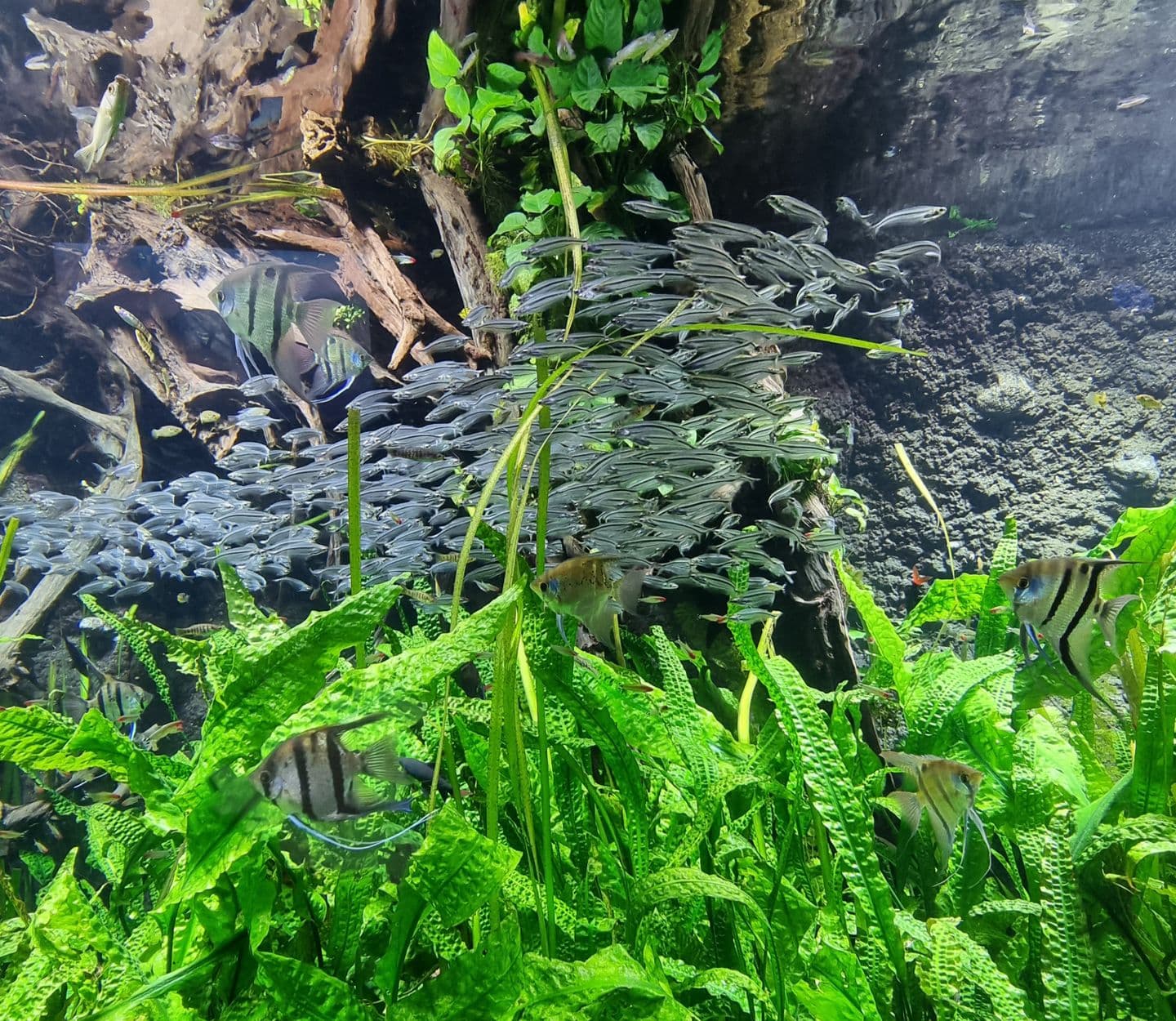
Moving fish, whether upgrading to a bigger tank or relocating an entire aquarium to a new home, is one of the more stressful events in a fish's life, and doing it carefully makes a genuine difference
Moving fish, whether upgrading to a bigger tank or relocating an entire aquarium to a new home, is one of the more stressful events in a fish's life, and doing it carefully makes a genuine difference to survival and long-term health.
Preparing the new tank first
The destination tank should be fully cycled before fish arrive, ideally by seeding it with filter media, substrate, or decor from the established tank, which transfers beneficial bacteria and shortens the adjustment period considerably. Match temperature and, where relevant, pH as closely as possible to the fish's existing tank before transfer day.
The acclimatisation process
Float the bag or a sealed container holding the fish in the new tank's water for 15 to 20 minutes to equalise temperature gradually, then add small amounts of the new tank's water into the container every five minutes or so over roughly 20 to 30 minutes, which lets the fish adjust gradually to any chemistry differences rather than all at once.
Never pour the fish's original bag water directly into the new tank, since it may carry ammonia or pathogens
Handle fish as little as possible during the move, using a net or a cup rather than hands
Turn off tank lighting for the first few hours after a move to reduce stress while the fish settles
Avoid feeding on the day of the move itself, resuming the following day once the fish looks settled
Moving an entire established tank
For a full relocation, keep filter media wet and functioning as long as possible, transporting it in a sealed bag of tank water rather than letting it dry out, since dry filter media loses much of its beneficial bacteria colony within a few hours. Move fish in individually bagged, oxygenated water for longer journeys, and aim to set the tank back up and stabilise temperature before fish go back in rather than rushing the reassembly.
Watching the days after
Even a well managed move can cause a mini ammonia spike as bacteria adjust to their new environment, so test water daily for the first week after any significant relocation and be ready to do a partial water change if readings climb.
The scissortail rasbora, Rasbora trilineata, gets its name from the black-and-white banded tail fin, which opens and closes in a scissoring motion as the fish swims, a genuinely visible behaviour rath
Flushing a fish, whether dead or simply unwanted, down the toilet is a habit many Indian households have inherited without questioning it, and it carries real risks that are worth understanding.
A cover might seem like an afterthought compared to filtration or lighting, but for a saltwater tank it does real, unglamorous work: cutting evaporation, which matters a great deal given how salinity