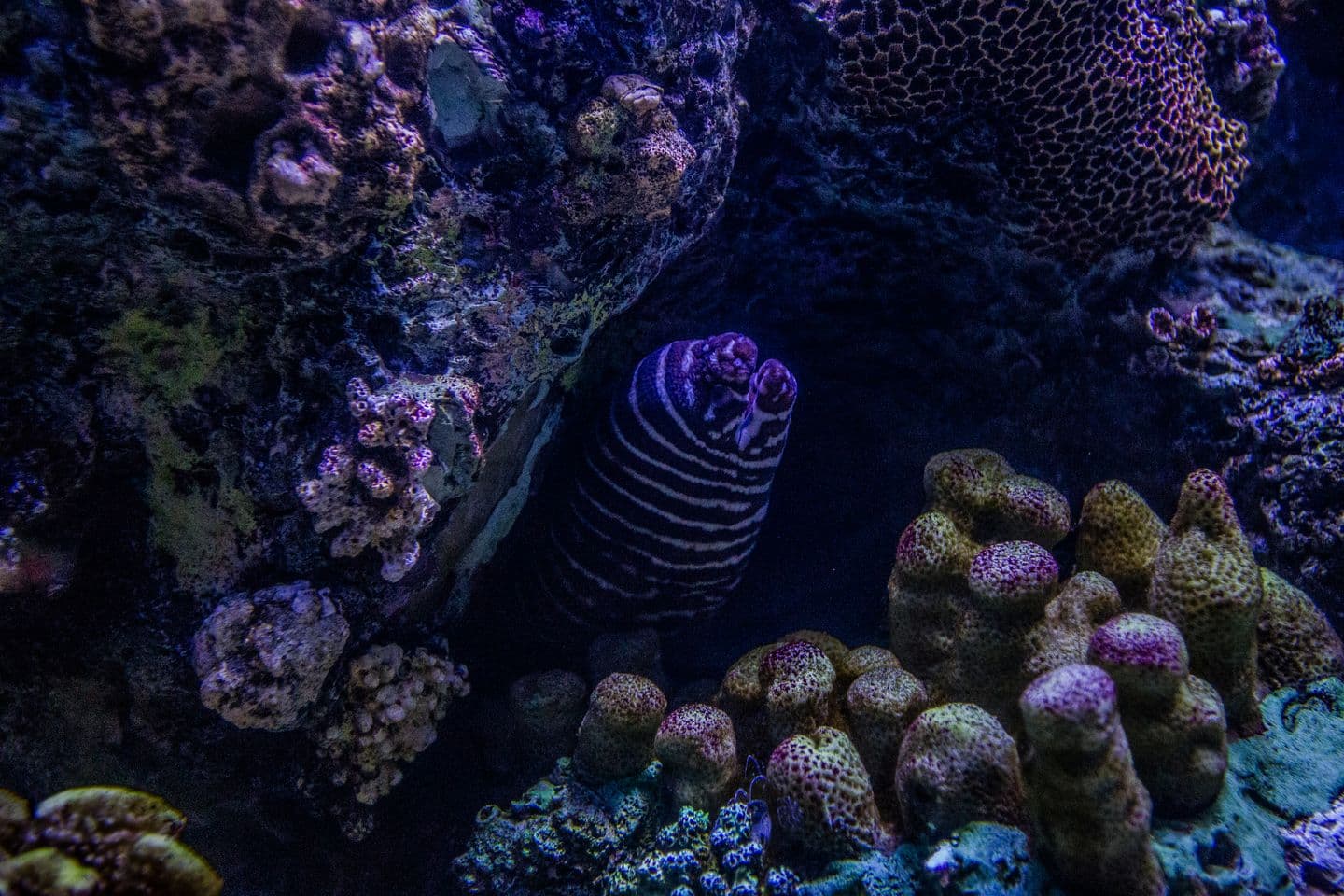
Sand Sifters: The Fish That Keep Your Substrate Alive and Clean
A sand bed left undisturbed slowly accumulates detritus and can develop patches of nuisance algae or hydrogen sulphide pockets underneath. Sand sifting fish solve this the natural way, spending their
Tags: sand sifting fish, sleeper goby, deep sand bed, reef tank substrate, watchman goby
A sand bed left undisturbed slowly accumulates detritus and can develop patches of nuisance algae or hydrogen sulphide pockets underneath. Sand sifting fish solve this the natural way, spending their day taking mouthfuls of sand, extracting food, and spitting the rest back out, turning the substrate over continuously in the process.
Fish worth considering for the job
Sleeper banded goby, a classic and hardworking sand sifter that also grazes on cyanobacteria and some pest algae
Diamond watchman goby, striking in appearance with orange diamond markings, an efficient sifter suited to tanks with a decent open sand area
Yellow headed sleeper goby, peaceful and constantly active, though it benefits from a well established sand bed with plenty of microfauna
Orange spot goby, smaller and gentler in its sifting action, well suited to more modest tank sizes
Sand sifting starfish, an invertebrate alternative that works the sand bed slowly over days and weeks rather than continuously like a goby
The feeding trap to avoid
Sand sifting gobies are wired to process substrate almost continuously, extracting tiny invertebrates most home aquariums cannot keep replenishing at the same rate as the wild. In a smaller or younger tank without an active refugium, this can lead to slow starvation even though the fish looks fine on the surface for weeks. Feeding frozen foods that sink and scatter across the sand, two to three times daily, is essential rather than optional for most sand sifters.
Setting a sand sifter up to succeed
Provide a reasonably large area of fine sand, since sifters need room to work without constantly disturbing rockwork or corals
Secure rockwork firmly before adding a sand sifting fish, since their digging can undermine loosely stacked rock
Choose captive bred individuals where available, since they generally adapt to prepared foods far more readily than wild caught sifters
Fit a tight lid, since many sifting gobies are prone to jumping, particularly when startled
A well matched sand sifter earns its keep quietly, aerating the substrate and reducing the buildup that leads to algae outbreaks, provided its feeding needs are taken seriously from day one. Captive bred sand sifting gobies are still relatively uncommon in the Indian marine trade compared to clownfish or damsels, so most available specimens are wild caught. Ask your dealer how long a fish has been in their system and whether it is already taking frozen food before buying, since a wild caught sifter that has not yet learned to eat prepared food is at real risk of starving.
The scissortail rasbora, Rasbora trilineata, gets its name from the black-and-white banded tail fin, which opens and closes in a scissoring motion as the fish swims, a genuinely visible behaviour rath
Flushing a fish, whether dead or simply unwanted, down the toilet is a habit many Indian households have inherited without questioning it, and it carries real risks that are worth understanding.
A cover might seem like an afterthought compared to filtration or lighting, but for a saltwater tank it does real, unglamorous work: cutting evaporation, which matters a great deal given how salinity