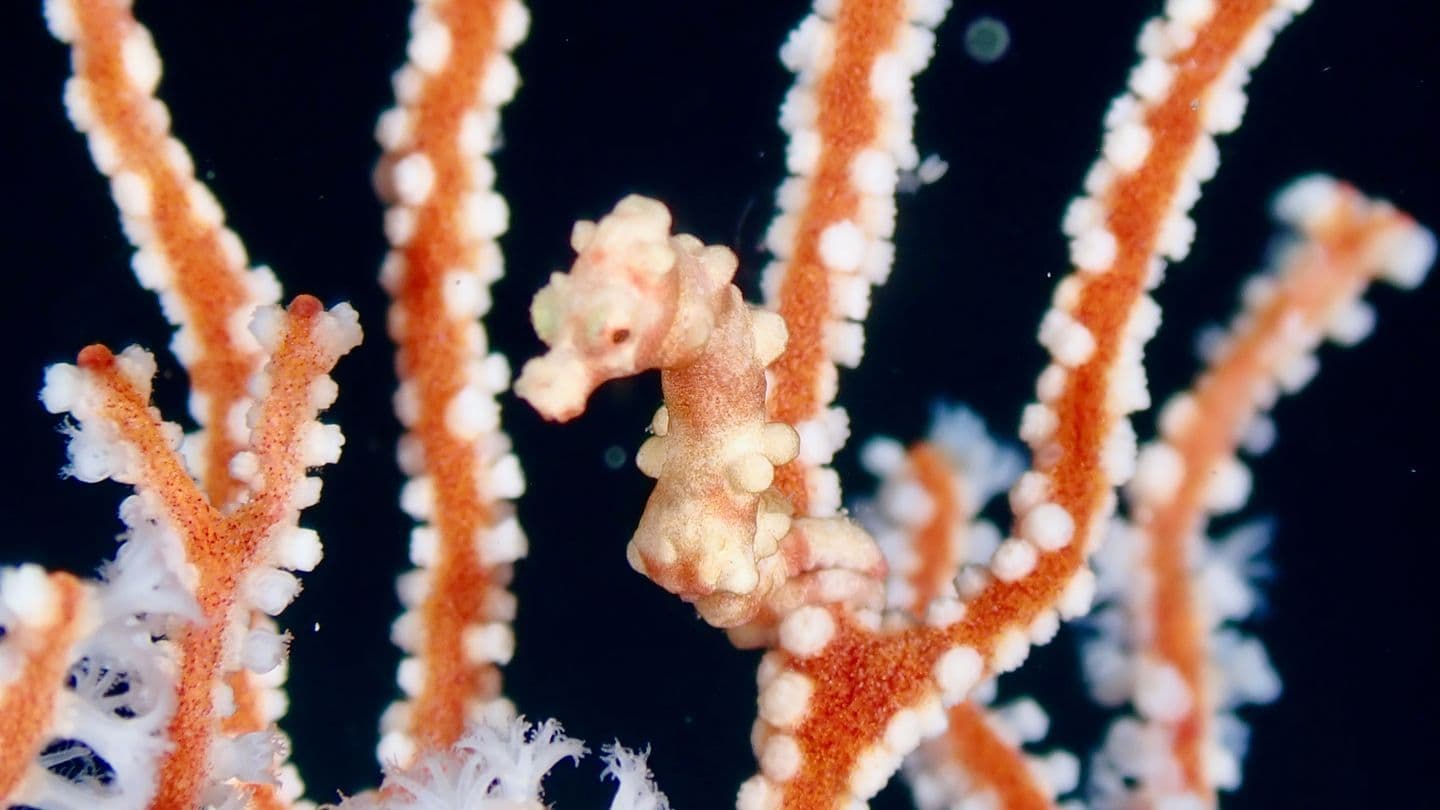
Seahorses in Saltwater Aquariums: Are They Right for Your Tank?
Seahorses are among the most requested marine animals for home aquariums, and among the least suited to a typical first saltwater tank. They are not simply another fish to add to a reef community. The
Seahorses are among the most requested marine animals for home aquariums, and among the least suited to a typical first saltwater tank. They are not simply another fish to add to a reef community. They need their own dedicated setup, and they do best when a hobbyist has already run at least one other stable marine tank.
Why They Are Different
Seahorses are slow, deliberate swimmers that rely on their tails to hitch onto rock, coral or macroalgae rather than actively swimming against current. They compete poorly for food against fast, aggressive marine fish, and stress easily around strong water flow, which is why they generally need their own species specific tank.
Tank Requirements
A minimum of roughly 115 litres for a pair, with more volume for additional pairs
Height matters more than footprint. Look for a tank at least 45 centimetres tall so seahorses have room to display and swim vertically
Gentle, indirect water flow rather than the strong turbulent movement used in reef tanks
Secure hitching posts such as aquascaping-safe branching decor, macroalgae or soft, sturdy corals
Dim to moderate lighting, since seahorses do not need intense reef lighting unless you are also keeping photosynthetic corals for them to hitch on
Water Parameters
Aim for a temperature between 23 and 26 degrees Celsius, salinity between 1.021 and 1.025 specific gravity, and pH between 8.1 and 8.4. Seahorses are sensitive to fluctuation, so consistency matters more than hitting an exact number.
Feeding
Seahorses need to be fed small amounts multiple times a day, typically two to three feedings, because of their tiny stomachs and fast metabolism. Frozen mysis shrimp is the standard diet. Unlike most reef fish, seahorses generally will not compete well for food in a mixed tank, which is another reason species specific setups work best.
Tankmates, If You Choose Them
If you do want companions, choose slow, peaceful species such as small gobies, pipefish or certain cardinalfish. Avoid anything fast, boisterous or likely to outcompete seahorses at feeding time, and avoid stinging corals and anemones that can injure them.
Dwarf Seahorses Are the Exception
Dwarf seahorse species need only about half the footprint of the standard sizing above, but they come with their own demands, including live copepod cultures for food, since they are usually too small to accept frozen mysis. They are not an easier option for a first attempt, just a smaller one.
A Brief Word on Health
Seahorses are prone to the same common marine parasites as other fish, including ich, and because they lack scales, any scrape or injury from a rough hitching post or overly boisterous tankmate can open the door to bacterial infection. Quarantine every new seahorse before it goes into the display tank, and keep a small hospital tank ready in case one needs to be pulled out and treated.
Sourcing in India
Always look for captive bred seahorses rather than wild caught. Captive bred animals adjust far more readily to aquarium life, are less likely to arrive already stressed or malnourished, and put less pressure on wild seahorse populations, several of which are considered vulnerable. Genuinely captive bred stock is still scarce through Indian marine importers, most seahorses reaching Indian hobbyists arrive after a long import chain, so ask suppliers directly about origin and expect a longer wait than for common reef fish. Whatever the source, quarantine for at least two to three weeks before introducing a seahorse to its permanent tank, since the stress of a long import journey can bring latent illness to the surface.
If you are drawn to seahorses, treat the decision as a dedicated project rather than an addition to an existing community tank. Done well, they are one of the most rewarding animals in the hobby. Done as an afterthought, they rarely thrive.
The scissortail rasbora, Rasbora trilineata, gets its name from the black-and-white banded tail fin, which opens and closes in a scissoring motion as the fish swims, a genuinely visible behaviour rath
Flushing a fish, whether dead or simply unwanted, down the toilet is a habit many Indian households have inherited without questioning it, and it carries real risks that are worth understanding.
A cover might seem like an afterthought compared to filtration or lighting, but for a saltwater tank it does real, unglamorous work: cutting evaporation, which matters a great deal given how salinity