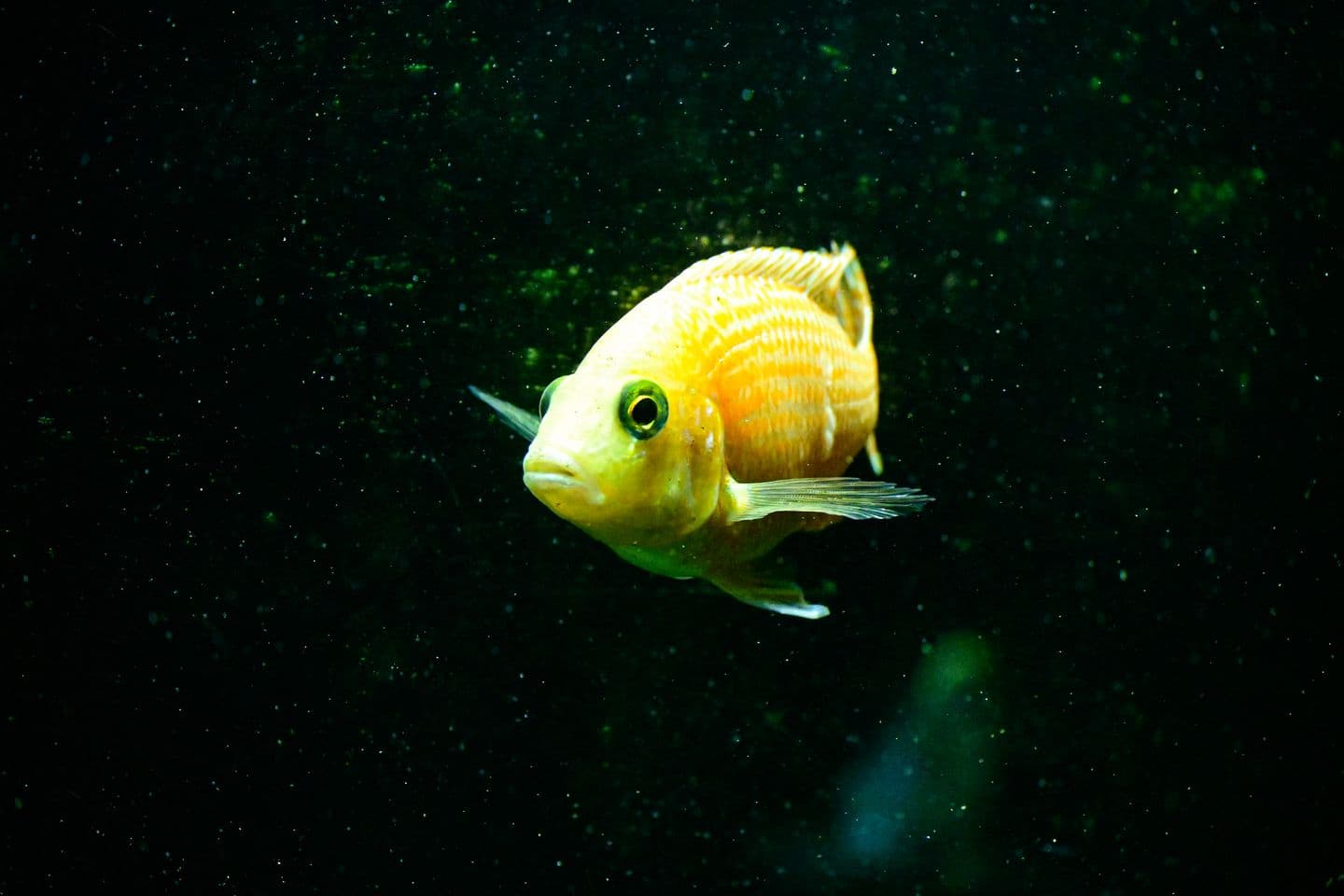
Cichlids are among the most rewarding fish to keep, showing genuine personality and often striking colour, but they also break more beginner rules than almost any other group, which is why a cichlid t
Cichlids are among the most rewarding fish to keep, showing genuine personality and often striking colour, but they also break more beginner rules than almost any other group, which is why a cichlid tank needs planning before it needs fish.
Know which cichlid group you are keeping
African rift lake cichlids, from Lake Malawi and Lake Tanganyika, need hard, alkaline water and tend to be territorial and best kept in larger groups to spread out aggression. South American cichlids, like angelfish and rams, generally prefer softer, slightly acidic water and a calmer community setup. Mixing rift lake and South American species together is a common and avoidable mistake, since their water chemistry needs directly conflict.
Tank size and territory
Cichlids are territorial by nature, and cramming too few fish into too small a space concentrates aggression onto whichever fish is weakest. A general rule for smaller Malawi cichlids is a minimum of around 200 litres to allow enough territory to be established across multiple fish, while larger or more aggressive species need considerably more.
Aquascaping for cichlids
Provide plenty of rockwork arranged into caves and territories, since this is what lets multiple cichlids coexist by claiming separate spaces
Leave open swimming areas as well as dense rock zones, rather than filling the tank entirely with hardscape
Choose sand or fine gravel for rift lake species, since many naturally sift substrate as part of normal feeding behaviour
Secure rockwork against the glass base or on a supporting frame, since digging cichlids can undermine loosely stacked rock over time
Water chemistry for rift lake cichlids
These species need hard, alkaline water, typically pH 7.8 to 8.6, which can be achieved using crushed coral substrate or limestone rockwork that gradually buffers water hardness upward. Indian tap water in many cities runs moderately hard already, which can work in a rift lake keeper's favour with only modest adjustment needed.
Stocking strategy
Overstocking slightly, counterintuitively, often reduces aggression in Malawi cichlid tanks by spreading territorial disputes across more targets rather than concentrating bullying on one or two fish. This only works within a properly sized, well filtered tank though, and should never be treated as a shortcut around adequate space and filtration.
The scissortail rasbora, Rasbora trilineata, gets its name from the black-and-white banded tail fin, which opens and closes in a scissoring motion as the fish swims, a genuinely visible behaviour rath
Flushing a fish, whether dead or simply unwanted, down the toilet is a habit many Indian households have inherited without questioning it, and it carries real risks that are worth understanding.
A cover might seem like an afterthought compared to filtration or lighting, but for a saltwater tank it does real, unglamorous work: cutting evaporation, which matters a great deal given how salinity