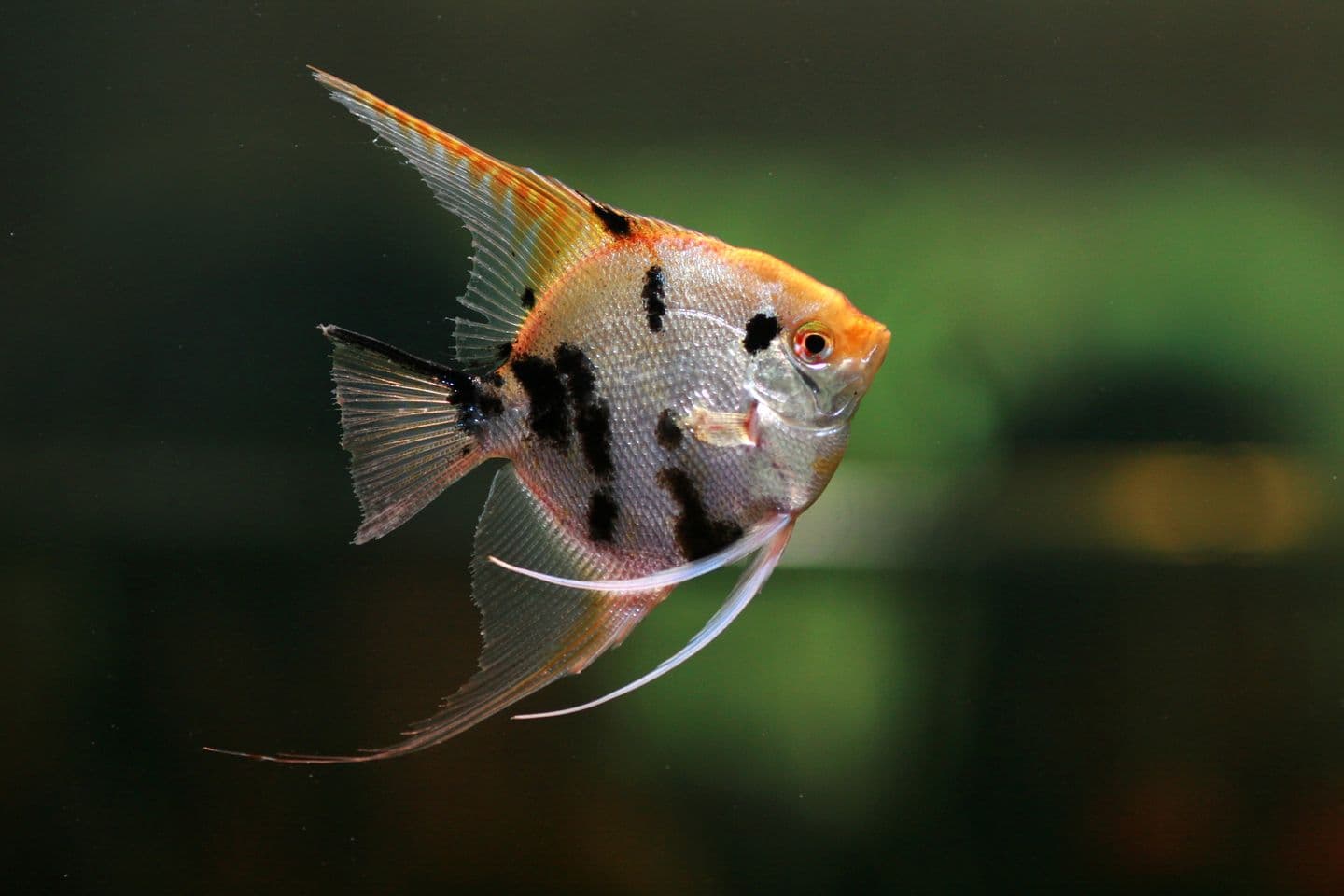
Setting Up a Dwarf Angelfish Community Tank: The Saltwater Answer to a Cichlid Tank
If you have kept freshwater cichlids before, you already understand the appeal of a tank built around one characterful, colourful family of fish with complicated social politics. Saltwater does not ha
If you have kept freshwater cichlids before, you already understand the appeal of a tank built around one characterful, colourful family of fish with complicated social politics. Saltwater does not have true cichlids, they are a freshwater family, but dwarf angelfish of the genus Centropyge give reefkeepers a similar experience: bold colours, real personality, and territorial behaviour that needs careful planning to manage.
Why Dwarf Angelfish Fill This Role
Species such as the flame angel, coral beauty and lemonpeel angel are compact, vividly coloured, and readily available through Indian marine importers. Like cichlids, they establish territories and can be aggressive toward their own kind and toward similarly shaped or coloured fish, which makes stocking a multi angel tank a genuine puzzle rather than a simple shopping list.
Tank Size and Setup
A tank of at least 450 to 500 litres is recommended if you want to keep more than one dwarf angelfish together. In smaller volumes, stick to a single angel as the tank's centrepiece fish. Provide plenty of live rock, arranged with distinct caves and sightline breaks, so each fish can claim its own territory and retreat from the others when needed.
Stocking Strategy
Add all your dwarf angelfish at close to the same time, ideally within a day or two of each other, rather than one by one over months
Choose species that differ noticeably in colour and body pattern, since similarly marked angels are more likely to fight
Keep a significant size difference between individuals if adding them at different times, so a clear hierarchy forms quickly
Have a backup plan, and ideally a spare tank, in case two fish do not settle and one needs to be removed
Reef Safety Caveat
Dwarf angelfish are commonly sold as reef safe, and many are, but they are opportunistic grazers that will sample soft corals, large polyp stony corals and clam mantles if they get bored or hungry. If your tank is built around expensive coral colonies, research the specific species carefully before adding one, and expect some picking regardless.
Sourcing and Quarantine in India
Flame angels, coral beauties and lemonpeel angels are among the more commonly imported dwarf angelfish through Indian marine livestock suppliers, though stock and timing depend on import shipments rather than being reliably available on demand. Quarantine every new angelfish for two to three weeks before adding it to the display, both to protect your existing fish and because angelfish are prone to arriving with marine ich or flukes after a long shipping journey.
Signs of Trouble
Persistent chasing, nipped fins, one fish hiding constantly, or a fish that stops eating are all signs that the social balance has failed. Intervene early. Rearranging rockwork to break sightlines can sometimes calm things down, but if aggression continues, removing the more dominant fish is usually kinder than waiting it out.
Done thoughtfully, a dwarf angelfish community tank gives you much of what draws people to a cichlid tank: strong personalities, visible hierarchy and constant activity, built around fish that are genuinely well suited to Indian marine tank conditions.
The scissortail rasbora, Rasbora trilineata, gets its name from the black-and-white banded tail fin, which opens and closes in a scissoring motion as the fish swims, a genuinely visible behaviour rath
Flushing a fish, whether dead or simply unwanted, down the toilet is a habit many Indian households have inherited without questioning it, and it carries real risks that are worth understanding.
A cover might seem like an afterthought compared to filtration or lighting, but for a saltwater tank it does real, unglamorous work: cutting evaporation, which matters a great deal given how salinity