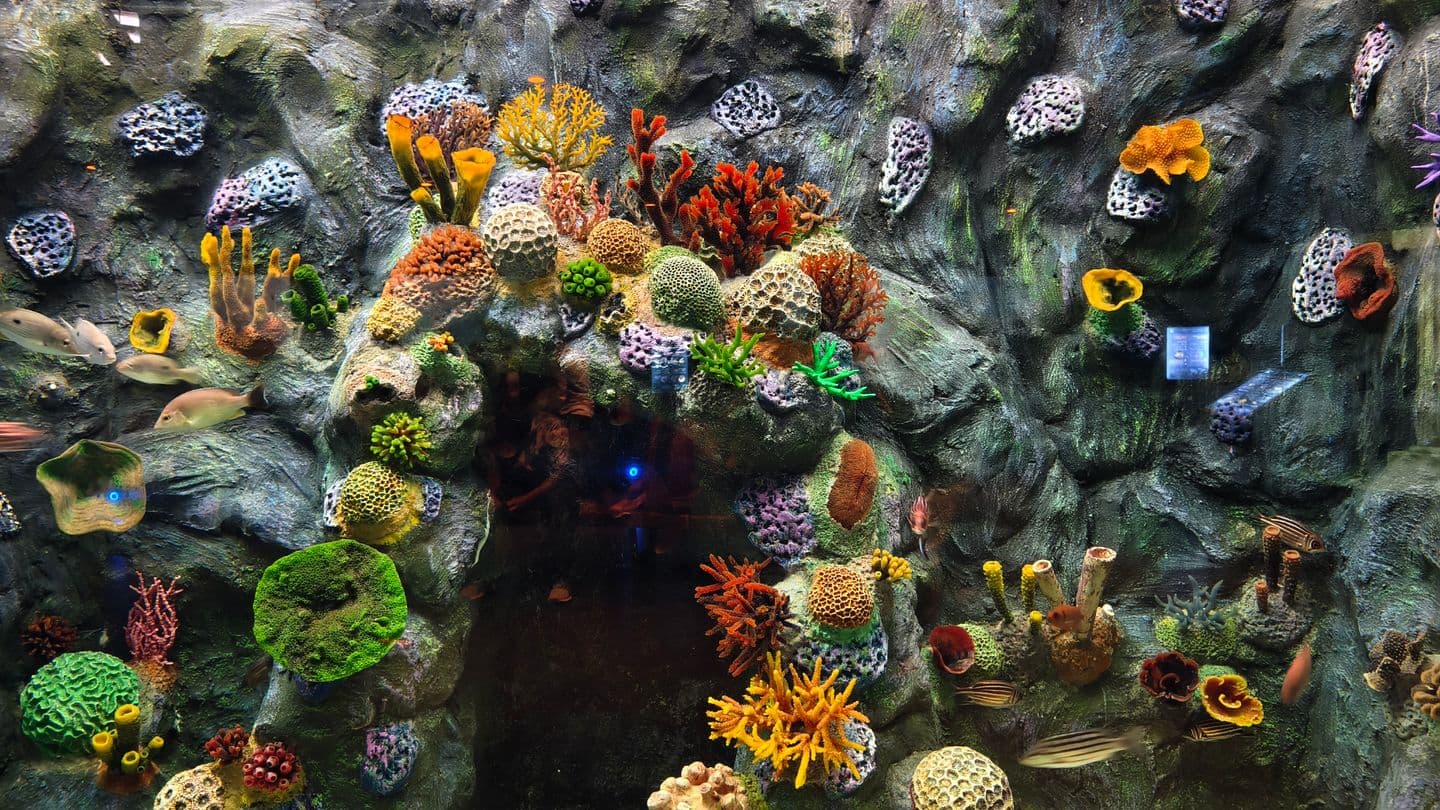
The Case for LED: Rethinking Your Aquarium's Lighting
Lighting choice used to be one of the more complicated decisions in reef keeping, with metal halide, T5 fluorescent, and early LED fixtures each offering a different tradeoff between spectrum quality,
Tags: LED aquarium lighting, reef tank lighting, PAR coral growth, fluorescent vs LED
Lighting choice used to be one of the more complicated decisions in reef keeping, with metal halide, T5 fluorescent, and early LED fixtures each offering a different tradeoff between spectrum quality, heat, and cost. That balance has shifted decisively. Modern LED fixtures now outperform older technologies on nearly every practical measure that matters to a home aquarist.
Why LED has become the default choice
Lower heat output, a genuine advantage in Indian conditions where a tank is already working against ambient room heat for much of the year
Precise, programmable spectrum control, letting the same fixture support both fish only tanks and demanding coral colonies by adjusting output rather than swapping bulbs
Significantly lower running costs over time, since LEDs use less electricity and last far longer than fluorescent tubes, which typically need replacing every year
Instant on and off operation with programmable sunrise and sunset cycles, unlike fluorescent tubes that need warm up time
What older technologies still offer
T5 fluorescent lighting produces an unusually even, diffuse spread of light and remains popular with some advanced reefers for that reason, though it requires annual bulb replacement and higher running costs. Metal halide lighting was once the gold standard for producing natural, punchy light with strong coral growth, but its bulk and heat output make it a poor fit for most home setups, especially in warmer climates.
Choosing the right LED fixture
For a fish only tank, a basic full spectrum LED strip is generally sufficient, since coral specific PAR output is not a concern
For a reef tank, look for a fixture with dedicated blue and violet channels in the 400 to 450 nanometre range, since this is the spectrum most corals rely on for healthy growth and colour
Mount reef LEDs at the height recommended by the manufacturer, typically 15 to 30 centimetres above the water surface, since mounting height directly affects intensity
Introduce new, more intense LED lighting to an established tank gradually over one to two weeks to avoid shocking corals used to lower light
LED is not simply the trendy option, it is now the practical one for the overwhelming majority of home aquariums, freshwater and marine alike, offering better control for less ongoing cost and less heat added to a tank that usually has enough heat to manage already.
The scissortail rasbora, Rasbora trilineata, gets its name from the black-and-white banded tail fin, which opens and closes in a scissoring motion as the fish swims, a genuinely visible behaviour rath
Flushing a fish, whether dead or simply unwanted, down the toilet is a habit many Indian households have inherited without questioning it, and it carries real risks that are worth understanding.
A cover might seem like an afterthought compared to filtration or lighting, but for a saltwater tank it does real, unglamorous work: cutting evaporation, which matters a great deal given how salinity