Tags: hermit crabs, reef tank cleanup, blue leg hermit crab, scarlet hermit crab, marine invertebrates
Hermit crabs are usually one of the first invertebrates added to a new marine tank, and for good reason. They are inexpensive, constantly active, and genuinely useful for keeping algae in check. Watching one investigate a new shell, testing it with its claws before committing to the move, is one of the small pleasures of the hobby.
Popular species for a reef tank
Blue leg hermit crab, the classic choice, small, hardy, and a relentless algae grazer that works well in groups
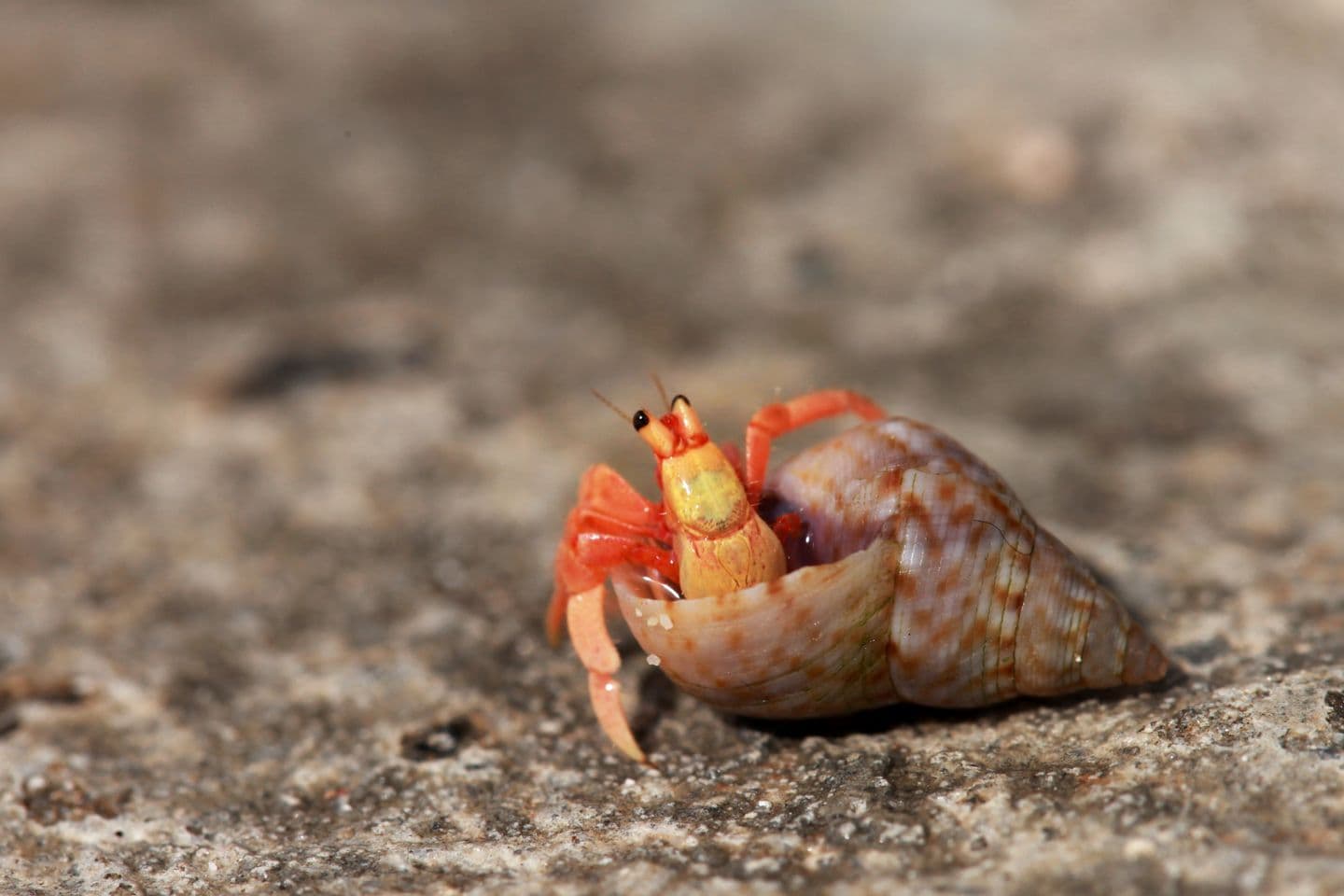
Scarlet reef hermit crab, similar in size with striking red legs and a bright yellow face
Electric blue hermit crab, larger and more strikingly coloured, prized for its vivid blue legs but occasionally reported nipping at large polyp corals or turbo snails
Halloween hermit crab, an ornamental species with a bold striped pattern, kept more for looks than for cleanup work
The one rule that prevents most problems
Hermit crabs do not grow their own shells, they borrow them, and a crab that outgrows its shell without a replacement nearby will attack snails to steal theirs. Keeping three to five empty shells of varying sizes in the tank at all times prevents almost every reported case of hermit crab aggression towards snails. Marine specialist shops in India do not always stock spare shells separately, so it is worth asking your dealer to set some aside, or picking up clean, empty shells from a beach trip and boiling them thoroughly before adding them to the tank.
Care basics
Stick to small species for a reef tank, since larger hermit crabs can become opportunistic towards corals and slow moving tankmates
Avoid copper based medications entirely, since hermit crabs, like most invertebrates, cannot tolerate them
Acclimate slowly using a drip method, since sudden salinity changes are harder on invertebrates than on fish
Feed sinking algae wafers occasionally if the tank does not have enough natural algae growth to sustain the group
A well stocked hermit crab crew, matched to the tank's size and given enough spare shells, tends to run quietly in the background for years, one of the lowest maintenance and most reliable workers in a reef system.
The scissortail rasbora, Rasbora trilineata, gets its name from the black-and-white banded tail fin, which opens and closes in a scissoring motion as the fish swims, a genuinely visible behaviour rath
Flushing a fish, whether dead or simply unwanted, down the toilet is a habit many Indian households have inherited without questioning it, and it carries real risks that are worth understanding.
A cover might seem like an afterthought compared to filtration or lighting, but for a saltwater tank it does real, unglamorous work: cutting evaporation, which matters a great deal given how salinity