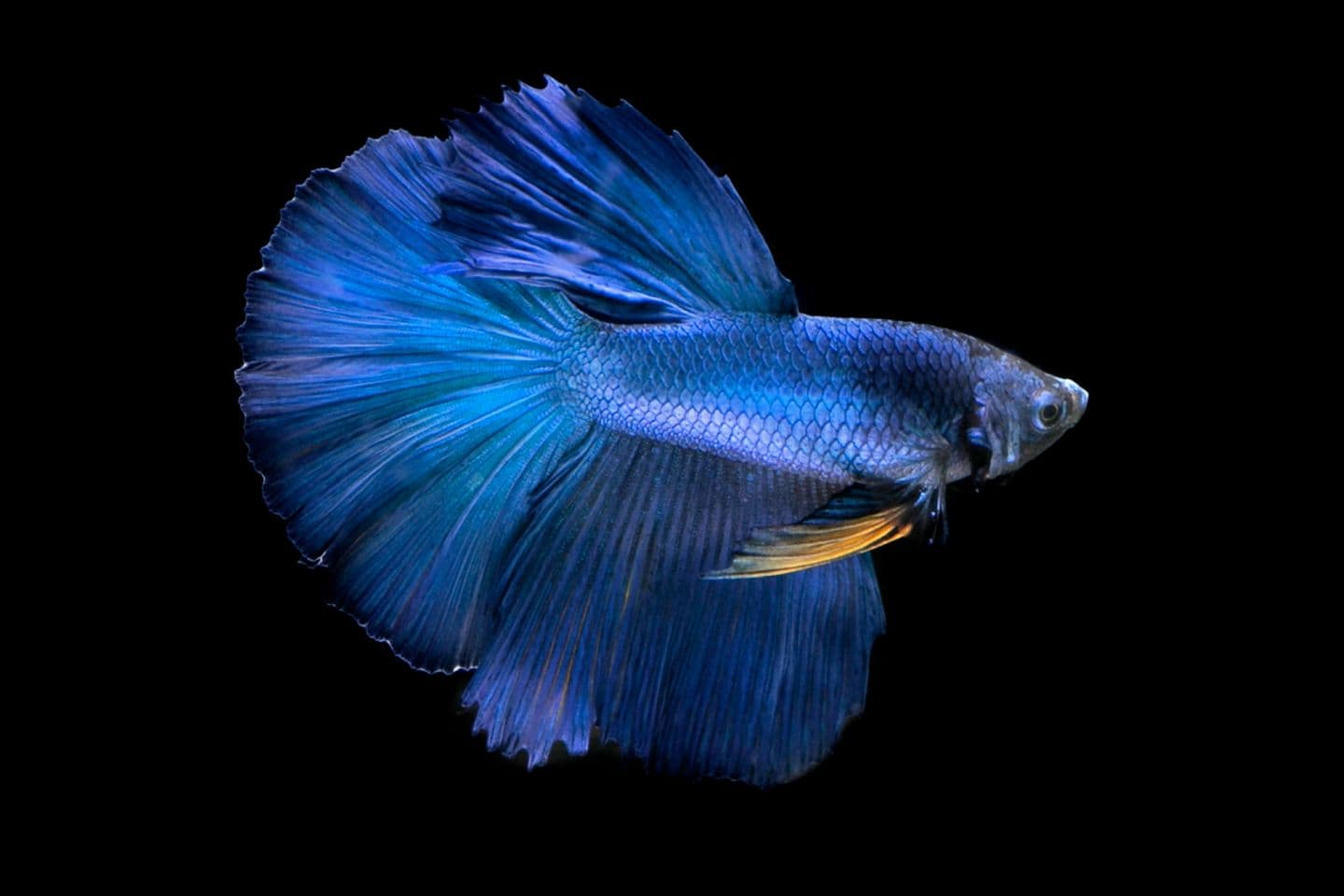
The betta, or Siamese fighting fish, is probably the most recognisable labyrinth fish in the world, prized for the flowing fins and vivid colours bred into it over centuries in Thailand. Wild bettas a
The betta, or Siamese fighting fish, is probably the most recognisable labyrinth fish in the world, prized for the flowing fins and vivid colours bred into it over centuries in Thailand. Wild bettas are considerably plainer than the veiltail, halfmoon and crowntail varieties seen in shops, which have been selectively bred purely for show.
Bettas are famous for male aggression towards other male bettas, a trait that has unfortunately led to the widespread and mistaken belief that they thrive in tiny bowls precisely because they cannot tolerate company. In truth they are a genuine tropical fish with real space and water quality needs, however they are marketed.
With good care in a properly heated and filtered tank, a betta typically lives two to four years, occasionally longer, whereas fish kept in small, unheated bowls commonly fall well short of that.
Tank and water requirements
A single betta needs a minimum of fifteen to twenty litres with a heater and gentle filtration, not the small unheated bowl still sold alongside them in many Indian shops. Bettas are labyrinth fish and can breathe surface air, which lets them survive poor conditions for a while, but survival is not the same as thriving.
They prefer calm water, since their long fins make strong currents exhausting to swim against, and appreciate floating plants or a resting spot near the surface.
Diet and behaviour
A diet of good-quality betta-specific pellets, supplemented with occasional live or frozen bloodworm or brine shrimp, keeps them healthy and well coloured. Overfeeding is a common issue given their small stomach size relative to how eagerly they beg.
Male bettas must never be housed together and generally do poorly with other long-finned, slow-moving tankmates that might be mistaken for a rival or nipped in return. Female bettas can sometimes be kept in a carefully managed group, known as a sorority, in a large enough tank, but this needs real experience to do safely.
Buying tips
Priced widely in India, from around fifty rupees for basic veiltails to several hundred for premium halfmoon or crowntail varieties
Buy a proper small tank and heater alongside the fish rather than the bowl often sold as a package
Choose an alert, actively swimming fish with fins free of visible tears or fraying
The scissortail rasbora, Rasbora trilineata, gets its name from the black-and-white banded tail fin, which opens and closes in a scissoring motion as the fish swims, a genuinely visible behaviour rath
Flushing a fish, whether dead or simply unwanted, down the toilet is a habit many Indian households have inherited without questioning it, and it carries real risks that are worth understanding.
A cover might seem like an afterthought compared to filtration or lighting, but for a saltwater tank it does real, unglamorous work: cutting evaporation, which matters a great deal given how salinity