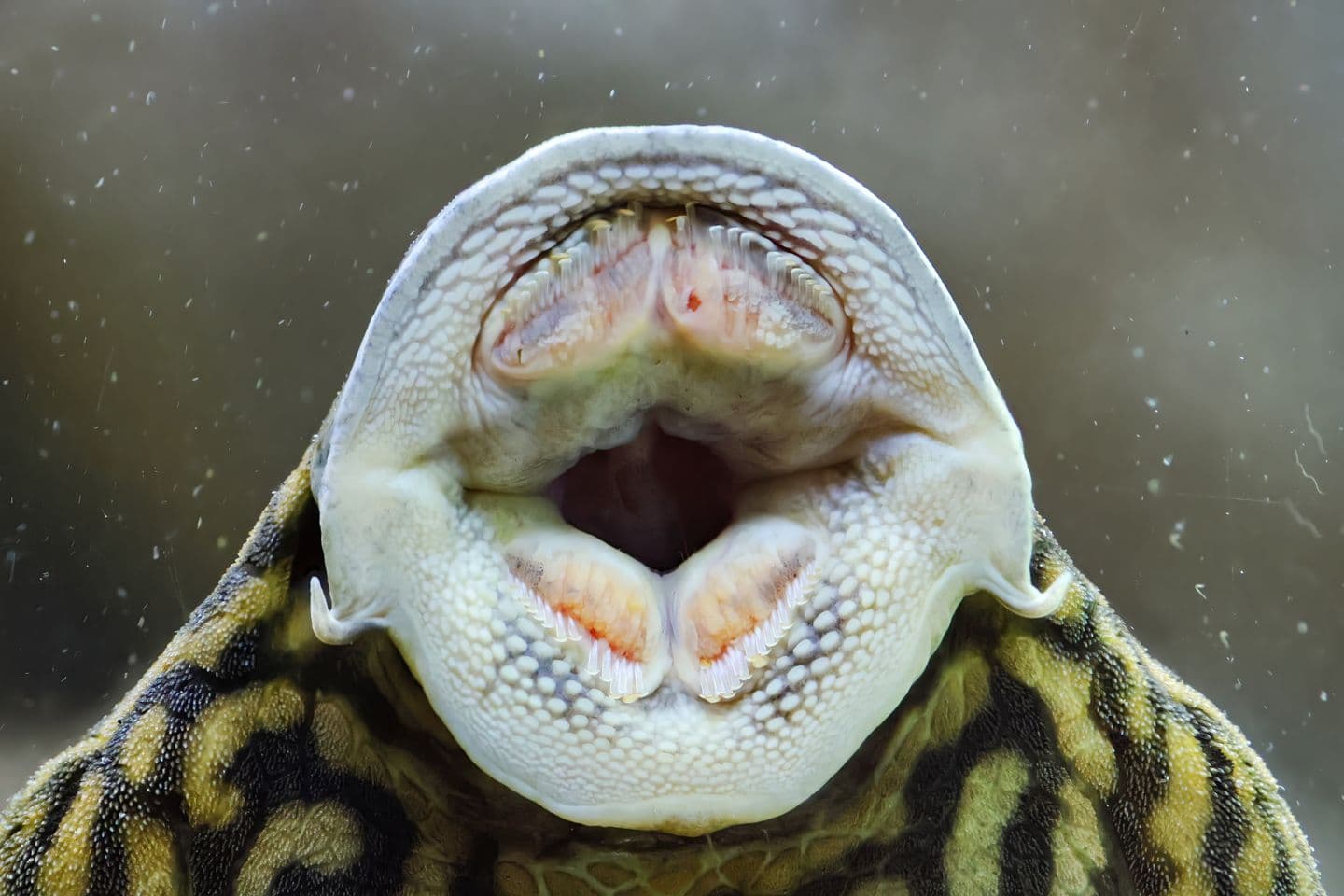
Bristlenose Pleco: The Algae Eater That Actually Fits Your Tank
The bristlenose pleco, genus Ancistrus, is a small, hardy armoured catfish named for the branching, whisker-like bristles that grow on the snout of mature males, giving them a distinctive, almost comi
The bristlenose pleco, genus Ancistrus, is a small, hardy armoured catfish named for the branching, whisker-like bristles that grow on the snout of mature males, giving them a distinctive, almost comical face. It reaches around twelve to fifteen centimetres, staying genuinely manageable for a home aquarium unlike several of its larger relatives.
It has become one of the most recommended algae-eating catfish in the hobby precisely because it combines real algae-eating usefulness with a size that will not eventually outgrow a standard tank.
Tank and water requirements
A single bristlenose does well in a tank of sixty litres or more, with driftwood included in the setup, since this species genuinely rasps at and digests wood fibre as part of its natural diet, not just decoration. It is tolerant of a wide range of water conditions, including typical Indian tap water.
Good filtration and regular cleaning matter, since like most plecos it produces a fair amount of waste for its size.
Diet and behaviour
Algae wafers, blanched vegetables such as courgette or spinach, and driftwood to graze on make up a well-rounded diet, since algae alone rarely covers all of a bristlenose's nutritional needs in an established tank. It is peaceful towards other fish, though males can be territorial towards each other, particularly around caves or hiding spots used for breeding.
It is mostly nocturnal, so most of its active grazing happens after lights out, which is worth knowing if a keeper wonders why the tank glass looks cleaner in the morning than it did the previous evening.
Buying tips
Priced around eighty to two hundred rupees per fish in most Indian shops, with unusual colour forms such as albino or calico costing more
A genuinely good choice for real, long-term algae control without the size problems of larger plecos
Include driftwood in the tank setup, since this is a real dietary need for the species, not just aquascaping
The scissortail rasbora, Rasbora trilineata, gets its name from the black-and-white banded tail fin, which opens and closes in a scissoring motion as the fish swims, a genuinely visible behaviour rath
Flushing a fish, whether dead or simply unwanted, down the toilet is a habit many Indian households have inherited without questioning it, and it carries real risks that are worth understanding.
A cover might seem like an afterthought compared to filtration or lighting, but for a saltwater tank it does real, unglamorous work: cutting evaporation, which matters a great deal given how salinity