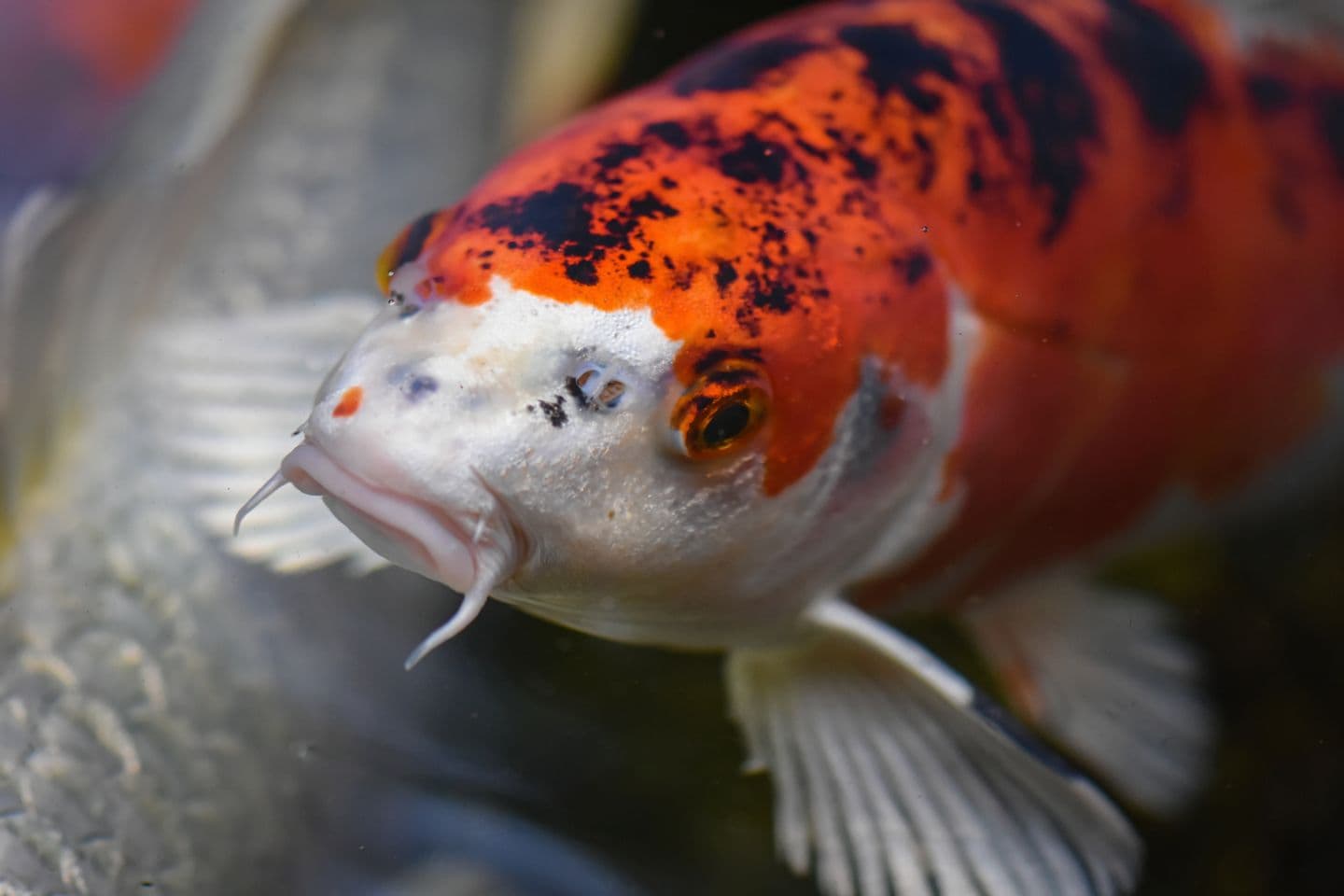
Koi are outdoor pond fish at heart, and most experienced keepers will tell you that plainly before you have even finished asking the question. That said, an indoor koi setup is not impossible, and ple
Koi are outdoor pond fish at heart, and most experienced keepers will tell you that plainly before you have even finished asking the question. That said, an indoor koi setup is not impossible, and plenty of Indian apartment dwellers with no garden or terrace to speak of have kept a koi or two successfully indoors, provided they go in with realistic expectations rather than treating a tank as a smaller, cheaper pond.
Why indoor koi is such a tall order
Koi are carp, and like most carp they simply do not stop growing. A six inch koi bought as a juvenile from a Kolkata or Mumbai fish market can reach two feet within a few years given enough space and food, and the tank that looked generous on day one becomes hopelessly undersized within a couple of seasons. Outdoor ponds are healthier and more stable for koi than any indoor tank, mainly because of sheer water volume: a pond dilutes waste and buffers temperature swings in a way a glass tank never quite manages.
What an indoor koi tank actually needs
If you are set on keeping koi indoors, even temporarily while a pond is being built, work with these minimums:
At least 40 to 50 gallons (150 to 190 litres) of water per young koi under six inches, and considerably more, often 380 litres or more, once a koi passes the one foot mark, with several experienced keepers recommending closer to 900 litres per fish once it grows larger still
Oversized filtration, since koi are heavy feeders and heavier waste producers than almost any tropical fish of comparable size
A tightly fitting lid or mesh cover, since koi are strong jumpers and will attempt to leap out of an uncovered tank
Frequent large water changes, often 25 to 30 percent weekly, to keep ammonia and nitrate from building up in a comparatively small volume
Temperature and stability
Koi tolerate a wide temperature range and do not need tropical heating, generally doing well between 15 and 25 degrees Celsius, but a small indoor tank swings temperature faster than a large body of water, so a stable, draught-free room away from direct sun matters more than it would for an outdoor pond.
A sensible way to think about it
Indoor koi tanks work best as a temporary or juvenile-stage arrangement, holding young koi while a proper outdoor pond is being planned or built, rather than a permanent home for a mature fish. If a pond genuinely is not on the horizon, it is worth being honest about whether koi are the right fish at all. A large aquarium stocked with hardy, colourful tropical fish that actually fit the space will usually make for a healthier, less crowded tank than koi that have outgrown their home within a year or two.
The scissortail rasbora, Rasbora trilineata, gets its name from the black-and-white banded tail fin, which opens and closes in a scissoring motion as the fish swims, a genuinely visible behaviour rath
Flushing a fish, whether dead or simply unwanted, down the toilet is a habit many Indian households have inherited without questioning it, and it carries real risks that are worth understanding.
A cover might seem like an afterthought compared to filtration or lighting, but for a saltwater tank it does real, unglamorous work: cutting evaporation, which matters a great deal given how salinity