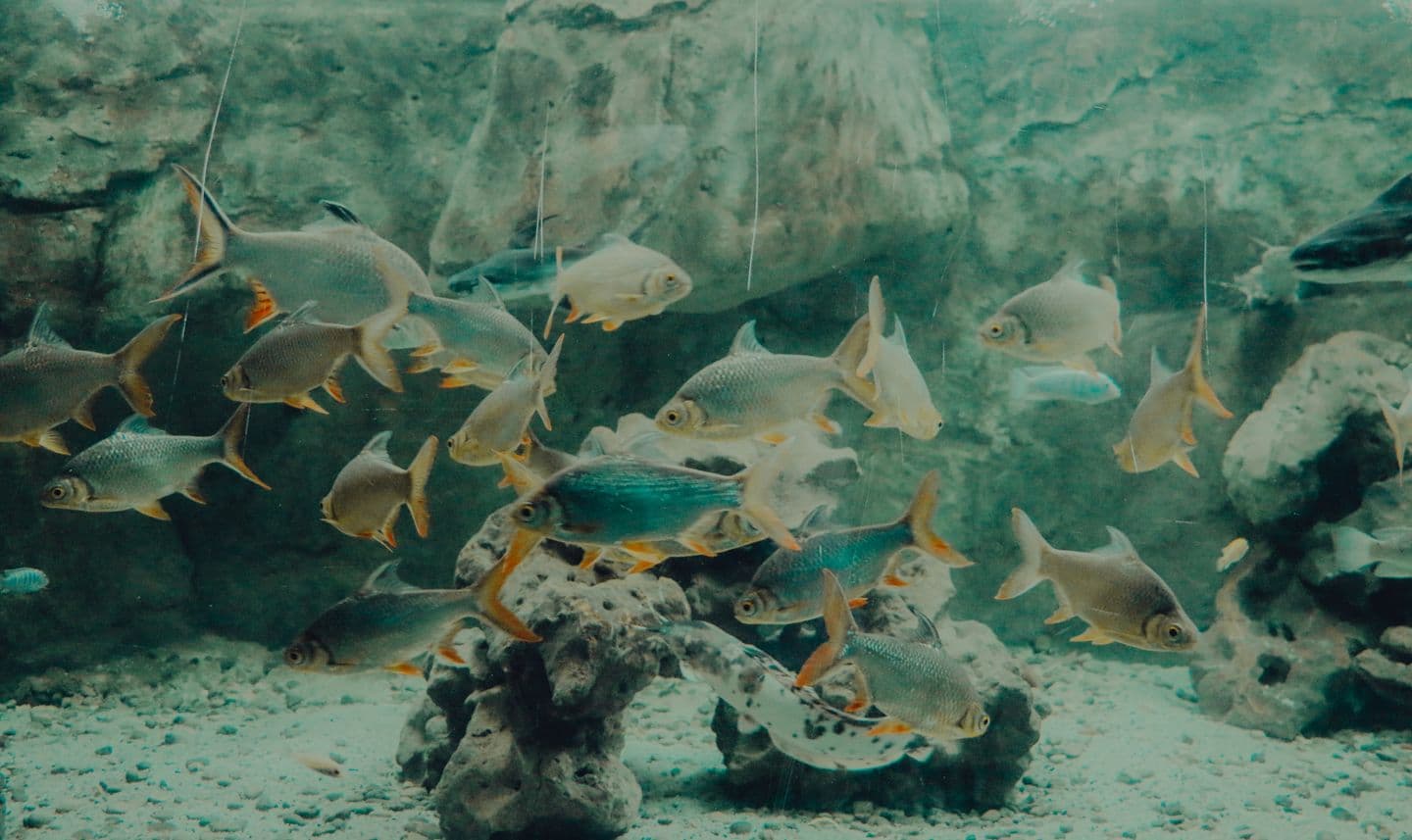
The cherry barb, Puntius titteya, stands in useful contrast to its more boisterous barb relatives, being one of the calmest, least nippy barbs in the hobby. Males develop a deep cherry-red body colour
The cherry barb, Puntius titteya, stands in useful contrast to its more boisterous barb relatives, being one of the calmest, least nippy barbs in the hobby. Males develop a deep cherry-red body colour, especially when breeding or displaying, while females stay a more muted brownish orange. It comes from Sri Lanka and reaches around five centimetres.
Its peaceful nature makes it a good barb to recommend to keepers who want the group dynamics and activity of a barb shoal without the fin-nipping worries that come with tiger or black ruby barbs.
Tank and water requirements
A group of six or more does well in a tank of sixty litres upwards. Cherry barbs are undemanding about water hardness and settle easily into typical Indian tap water, making them straightforward from a water chemistry standpoint.
A planted tank with some open swimming space and a few shaded spots suits them well, and males colour up most vividly in a calm, well-established setup.
Diet and behaviour
An easy omnivorous diet of flakes, pellets and occasional live or frozen food keeps them healthy and well coloured. They are genuinely peaceful and safe with slow or long-finned tankmates that other barbs would trouble.
Because they are one of the calmer shoaling barbs, they make a good bridge fish for a keeper moving from livebearers towards more varied community shoals.
Buying tips
Priced around twenty to fifty rupees per fish in most Indian shops
A safe pairing with bettas, gouramis, angelfish and other slower fish, unlike most other barbs
Choose a group with a good mix of males and females so both the red colouration and natural breeding behaviour show through
The scissortail rasbora, Rasbora trilineata, gets its name from the black-and-white banded tail fin, which opens and closes in a scissoring motion as the fish swims, a genuinely visible behaviour rath
Flushing a fish, whether dead or simply unwanted, down the toilet is a habit many Indian households have inherited without questioning it, and it carries real risks that are worth understanding.
A cover might seem like an afterthought compared to filtration or lighting, but for a saltwater tank it does real, unglamorous work: cutting evaporation, which matters a great deal given how salinity