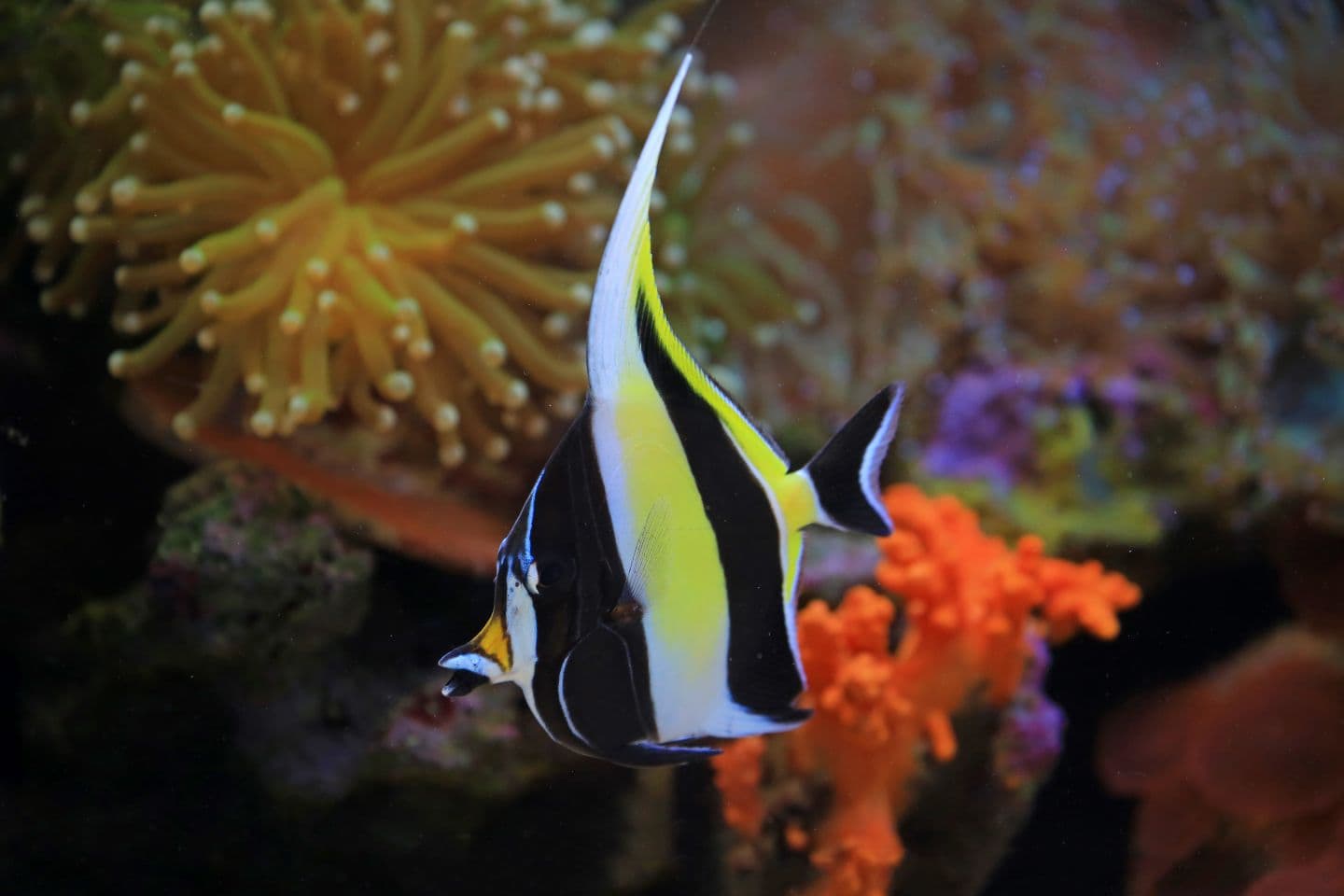
Converting a Freshwater Aquarium to a Saltwater Aquarium
Many aquarists eventually catch the saltwater bug after a season or two of freshwater keeping, and the natural next question is whether the tank sitting in the living room can simply be converted rath
Many aquarists eventually catch the saltwater bug after a season or two of freshwater keeping, and the natural next question is whether the tank sitting in the living room can simply be converted rather than replaced. The honest answer is yes, with a genuine caveat: it is a full teardown and rebuild, not a gradual transition, and it is worth going in with realistic expectations about the work involved.
What can carry over
The glass or acrylic tank itself is almost always reusable, as is a properly rated heater, provided it does not have any exposed metal components that could corrode in saltwater. Existing power filters and canister filters can generally be reused too, though marine tanks are less forgiving of underpowered filtration, so this is a good moment to reassess whether your existing filter is actually adequate for a saltwater bioload. Avoid reusing anything with iron or steel parts, since these will rust in a marine environment.
What has to go
Freshwater gravel and substrate should be removed entirely and replaced with marine-appropriate substrate such as aragonite sand or crushed coral, both of which help buffer pH in a way ordinary freshwater gravel does not. Freshwater decorations and plants also need to come out, since most are not saltwater safe. If your setup includes an undergravel filter, this is generally worth removing rather than converting, since undergravel filtration is far less common and less effective in modern marine setups.
Cleaning before the rebuild
Once everything freshwater-specific has been stripped out, clean the tank and any reused equipment with plain water only, never soap or household cleaning chemicals, which leave residues that are harmful to marine life. A thorough rinse with hot water is usually sufficient for filter components and hardware.
What the tank needs going forward
Once converted, a marine setup runs on a different rulebook. Plan to add:
A hydrometer or refractometer for salinity, since freshwater test kits cannot measure this
Marine-specific water test kits, since freshwater kits are not calibrated for saltwater chemistry
A protein skimmer, particularly if you plan to stock more than a light fish load
Live rock, if you want the natural biological filtration and aesthetic benefits it provides
The tank will need to cycle again
Even with reused filter media, the conversion effectively restarts the nitrogen cycle, since the freshwater bacteria that had colonised your filter are a different population from the ones a marine tank relies on. Expect a genuine cycling period of six to eight weeks before adding your first hardy fish, testing ammonia, nitrite and nitrate throughout, exactly as you would for a brand new marine setup started from scratch.
Rehome your freshwater fish responsibly
Before stripping down the tank, find a proper home for the freshwater fish that were living in it, through a local aquarium club, a shop that takes in fish, or a fellow hobbyist. Never release freshwater fish into a local lake, pond, canal or river. Species like guppies, mollies and goldfish are hardy enough to survive and breed in many Indian water bodies, and released aquarium fish have already contributed to invasive populations disrupting native aquatic life in parts of the country, so this is a genuine ecological concern and not just a formality.
The scissortail rasbora, Rasbora trilineata, gets its name from the black-and-white banded tail fin, which opens and closes in a scissoring motion as the fish swims, a genuinely visible behaviour rath
Flushing a fish, whether dead or simply unwanted, down the toilet is a habit many Indian households have inherited without questioning it, and it carries real risks that are worth understanding.
A cover might seem like an afterthought compared to filtration or lighting, but for a saltwater tank it does real, unglamorous work: cutting evaporation, which matters a great deal given how salinity