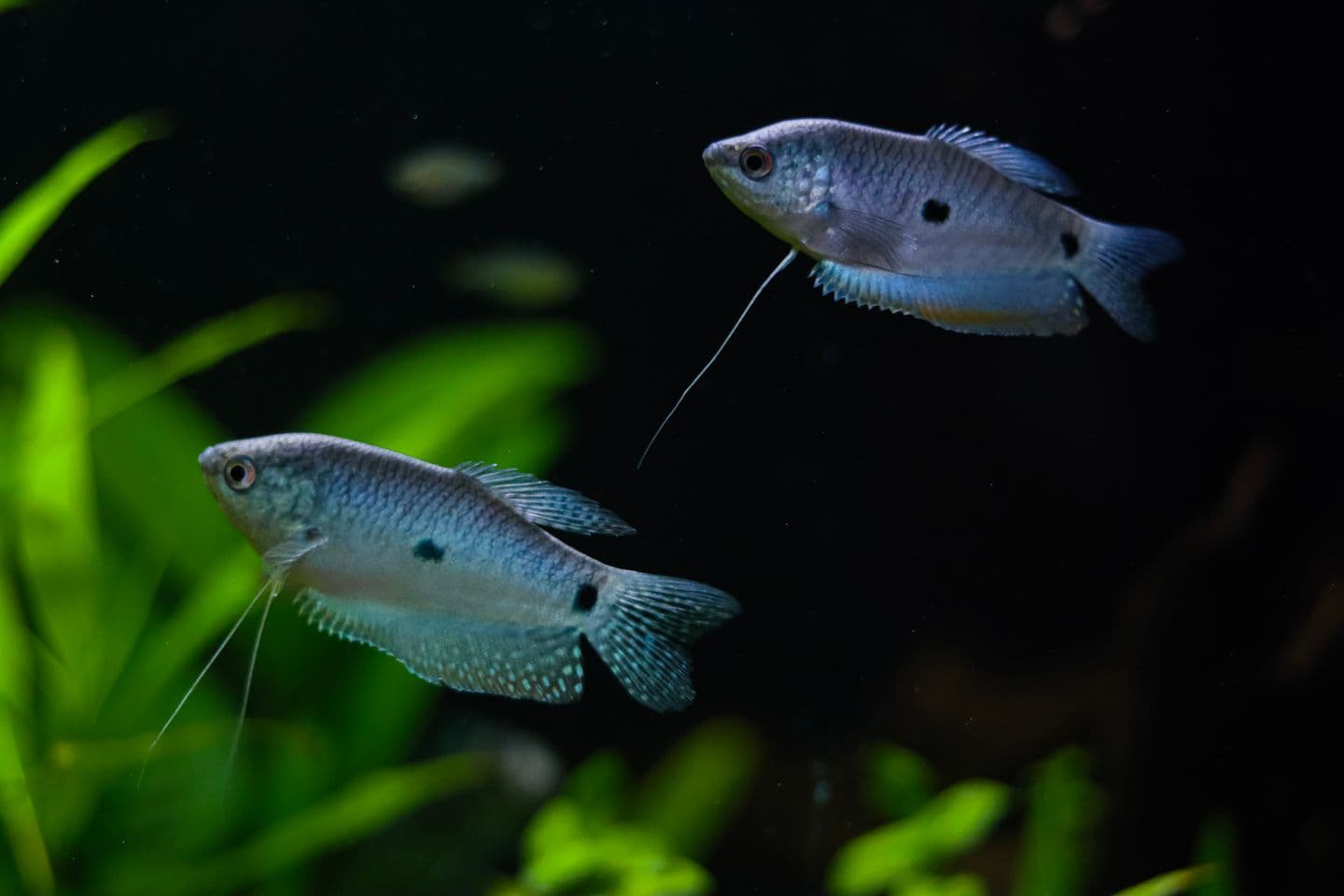
The dwarf gourami is a small, colourful labyrinth fish, with the red-and-blue striped male being a familiar sight in Indian aquarium shops. It reaches around eight centimetres and is generally peacefu
The dwarf gourami is a small, colourful labyrinth fish, with the red-and-blue striped male being a familiar sight in Indian aquarium shops. It reaches around eight centimetres and is generally peaceful, if occasionally territorial towards its own kind.
There is an important health issue worth knowing before buying this particular fish: a viral disease called dwarf gourami iridovirus has become widespread in commercially farmed stock worldwide due to decades of intensive inbreeding. It is highly contagious, untreatable and fatal, and surveys of exported stock have found a meaningful proportion of fish carrying the virus without obvious symptoms at the point of sale.
Tank and water requirements
A single dwarf gourami, or a calm pair, does well in a tank of sixty litres or more with gentle filtration and some floating plant cover, which this naturally shy fish appreciates. It adapts reasonably well to typical Indian tap water.
Given the iridovirus risk, quarantining any newly bought dwarf gourami for several weeks before adding it to an established community tank is a genuinely sensible precaution, not overcaution.
Diet and a buying note
A varied diet of flakes, pellets and occasional live or frozen food suits it well. It is an air breather and will visit the surface regularly, so a lid with an air gap helps it access the warm, humid air layer it prefers.
When buying, look closely for any fish in the shop's tank showing colour loss, lethargy, clamped fins or visible sores, and avoid buying from that tank entirely even if the individual fish you want looks fine, since the virus spreads readily between tankmates before symptoms show.
Buying tips
Priced around fifty to one hundred fifty rupees per fish depending on colour form in most Indian shops
Ask the shop about mortality rates in recent batches, since a good shop will know if a batch has been struggling
Quarantine any new dwarf gourami for several weeks before introducing it to other fish given the genuine iridovirus risk
The scissortail rasbora, Rasbora trilineata, gets its name from the black-and-white banded tail fin, which opens and closes in a scissoring motion as the fish swims, a genuinely visible behaviour rath
Flushing a fish, whether dead or simply unwanted, down the toilet is a habit many Indian households have inherited without questioning it, and it carries real risks that are worth understanding.
A cover might seem like an afterthought compared to filtration or lighting, but for a saltwater tank it does real, unglamorous work: cutting evaporation, which matters a great deal given how salinity