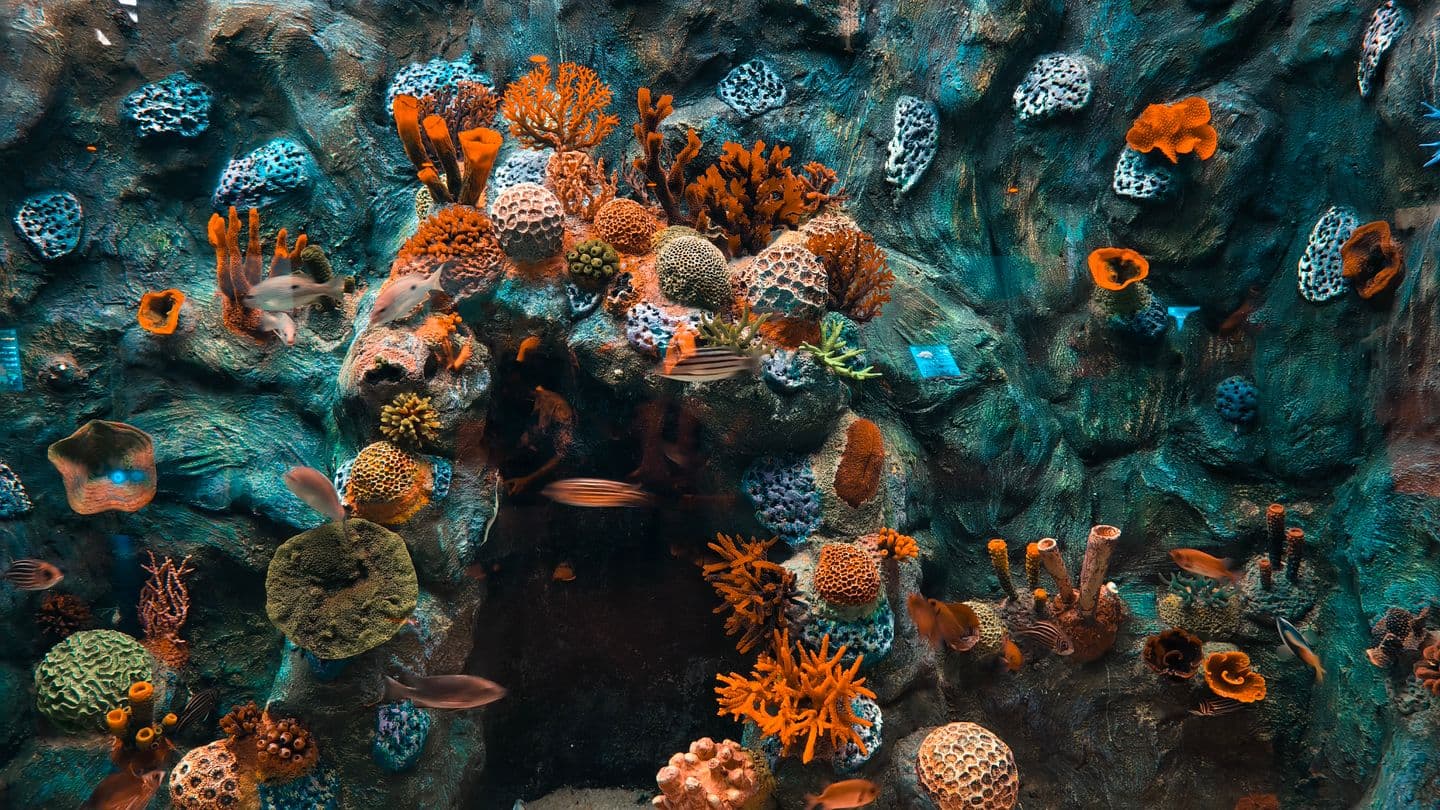
Choosing the right first corals makes a real difference to how reef keeping feels in the early months. Some corals forgive a slightly unstable new tank and a still developing maintenance routine; othe
Choosing the right first corals makes a real difference to how reef keeping feels in the early months. Some corals forgive a slightly unstable new tank and a still developing maintenance routine; others punish the smallest mistake. This is a shortlist of corals that consistently earn their place as good starting choices.
Why timing matters as much as species choice
Even the hardiest coral struggles in a tank that has not finished cycling. Most experienced reefers wait around three months after setup before adding the first coral, giving water parameters time to settle and a basic maintenance rhythm time to form.
Zoanthids
Zoanthids, often called zoas or button polyps, form colourful colonial mats and tolerate a wide range of lighting from low to fairly bright. They are genuinely easy once settled, but they acclimate slowly and should not be moved around the tank repeatedly while you wait for them to open. One important safety note: many zoanthids contain a toxin called palytoxin in their mucus, which can be genuinely dangerous if it enters a cut or is inhaled while handling them. Always handle zoanthid frags with gloves and avoid touching your face or eyes afterwards.
Mushroom corals
Mushroom corals, or corallimorphs, are some of the least demanding corals in the hobby. They tolerate low light and low flow, do best placed lower in the tank, and spread readily once settled. Their main downside is that a stressed mushroom can release mild toxins that irritate sensitive neighbours, so give them a little space rather than crowding them against other corals.
Green star polyps
Green star polyps grow extremely fast and will happily encrust rockwork, the back glass or even overflow boxes. This makes them a satisfying, fast rewarding beginner coral, but also one that needs occasional trimming so it does not overrun slower growing neighbours.
Leather corals
Leather corals are tough, tolerant of a wide range of water conditions, and add movement and bulk to a young reef tank. They periodically shed a thin waxy layer as part of a natural cleaning cycle, which can look alarming to a new keeper but is normal rather than a sign of illness.
A compatibility caution
Leather corals, along with several other soft corals, release mild chemical compounds called terpenes into the water as a natural defence, which can slow the growth of more sensitive neighbouring corals, particularly SPS species, if placed too close together or in an undersized tank without strong carbon filtration. This is not a reason to avoid leathers as a beginner coral, since running activated carbon and keeping reasonable spacing between corals manages the risk well, but it is worth knowing before mixing leathers heavily with delicate SPS in a small tank.
Duncan coral
Covered in full detail in its own article in this series. Worth repeating here that Duncan is one of the easiest LPS corals available, tolerant of moderate light and flow, and a good entry point for keepers ready to move beyond soft corals.
A general rule for the first six months
Stick to soft corals, mushrooms and easy LPS like Duncan before attempting demanding SPS corals such as Acropora.
Introduce one new coral at a time and observe it for a couple of weeks before adding the next.
Keep a simple log of calcium, alkalinity and magnesium readings, since stability matters more to coral health than hitting an exact number.
The scissortail rasbora, Rasbora trilineata, gets its name from the black-and-white banded tail fin, which opens and closes in a scissoring motion as the fish swims, a genuinely visible behaviour rath
Flushing a fish, whether dead or simply unwanted, down the toilet is a habit many Indian households have inherited without questioning it, and it carries real risks that are worth understanding.
A cover might seem like an afterthought compared to filtration or lighting, but for a saltwater tank it does real, unglamorous work: cutting evaporation, which matters a great deal given how salinity