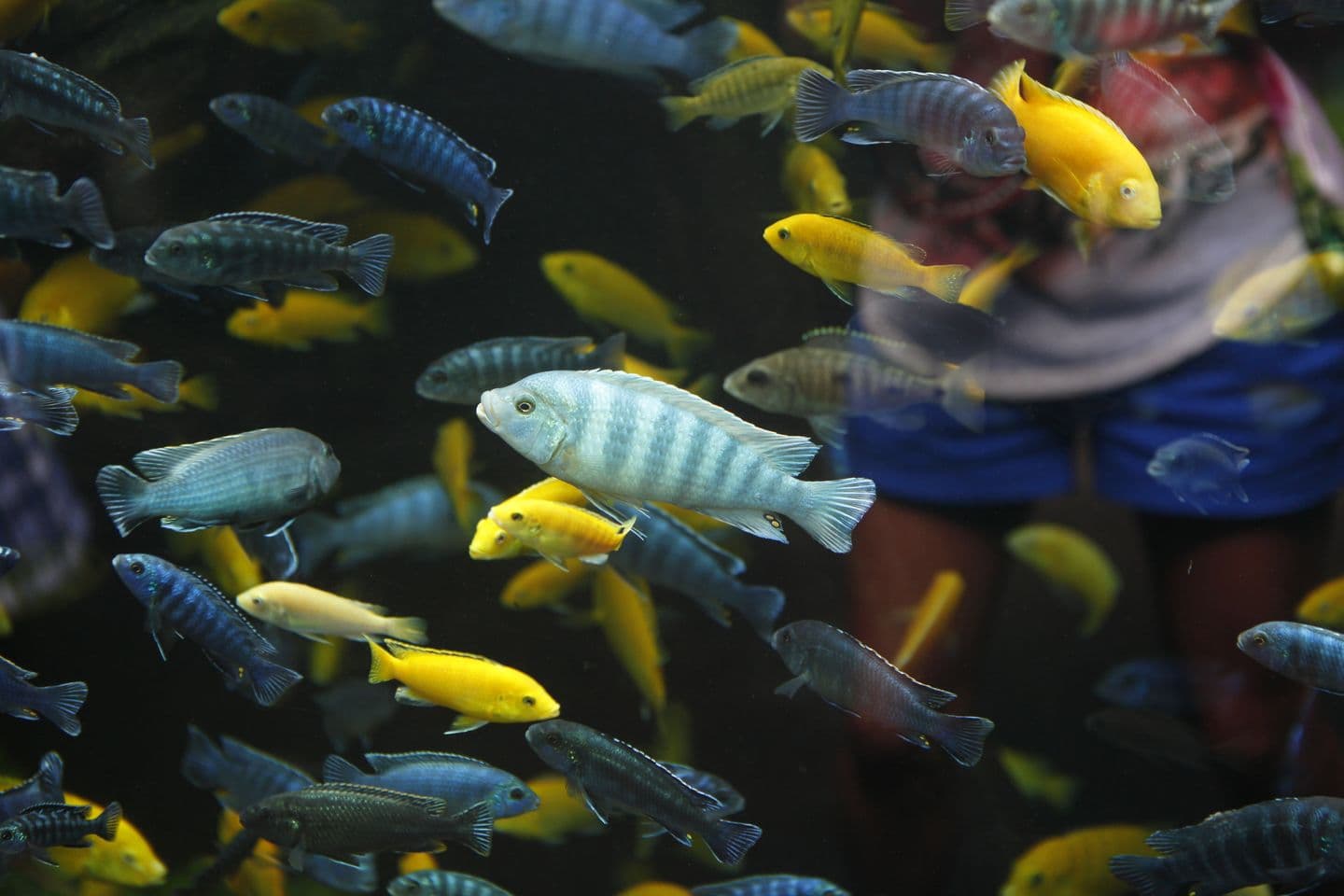
Electric Yellow Cichlid: A Rift Lake Fish That Needs Different Water
The electric yellow cichlid carries a brilliant, near-uniform lemon-yellow body with black-edged fins, a striking, almost artificial-looking colour that has made it one of the most recognisable Africa
The electric yellow cichlid carries a brilliant, near-uniform lemon-yellow body with black-edged fins, a striking, almost artificial-looking colour that has made it one of the most recognisable African cichlids in the hobby. It comes specifically from rocky shores of Lake Malawi in East Africa and reaches around ten to thirteen centimetres.
Here is the detail that catches out keepers moving from South American fish: Lake Malawi cichlids need distinctly different water to almost everything else in this series. Where fish like rams and discus want soft, acidic water, electric yellows need genuinely hard, alkaline water to thrive, closer to a pH of eight than the six-and-a-half many tropical setups run at.
Tank and water requirements
A group does well in a tank of a hundred and fifty litres or more, with abundant rockwork creating caves and territories, echoing its natural rocky lake habitat. If local tap water runs soft and acidic, as it often does in parts of India, buffering it with crushed coral or a specific Rift Lake salt mix is genuinely necessary rather than optional for this species.
It is relatively peaceful for a Malawi cichlid, making it one of the more approachable species in this demanding group, though it should still generally be kept only with other African Rift Lake cichlids rather than mixed with soft-water-loving South American or Southeast Asian fish.
Diet and a health note
A primarily vegetable-based diet of spirulina flakes or pellets, with only occasional protein such as brine shrimp, suits it best. Feeding too much high-protein food, including standard tropical fish flakes, is a leading cause of a serious, often fatal digestive condition known as Malawi bloat in this group of cichlids.
This dietary detail is genuinely important and easy to overlook if a keeper simply feeds the same food used for other community fish.
Buying tips
Priced around one hundred to two hundred fifty rupees per fish in most Indian shops that stock African cichlids
Test and, if necessary, buffer tap water hardness and pH before buying, since this is a genuine requirement rather than a minor preference
Feed a spirulina-based diet rather than standard protein-heavy tropical fish food to avoid Malawi bloat
The scissortail rasbora, Rasbora trilineata, gets its name from the black-and-white banded tail fin, which opens and closes in a scissoring motion as the fish swims, a genuinely visible behaviour rath
Flushing a fish, whether dead or simply unwanted, down the toilet is a habit many Indian households have inherited without questioning it, and it carries real risks that are worth understanding.
A cover might seem like an afterthought compared to filtration or lighting, but for a saltwater tank it does real, unglamorous work: cutting evaporation, which matters a great deal given how salinity