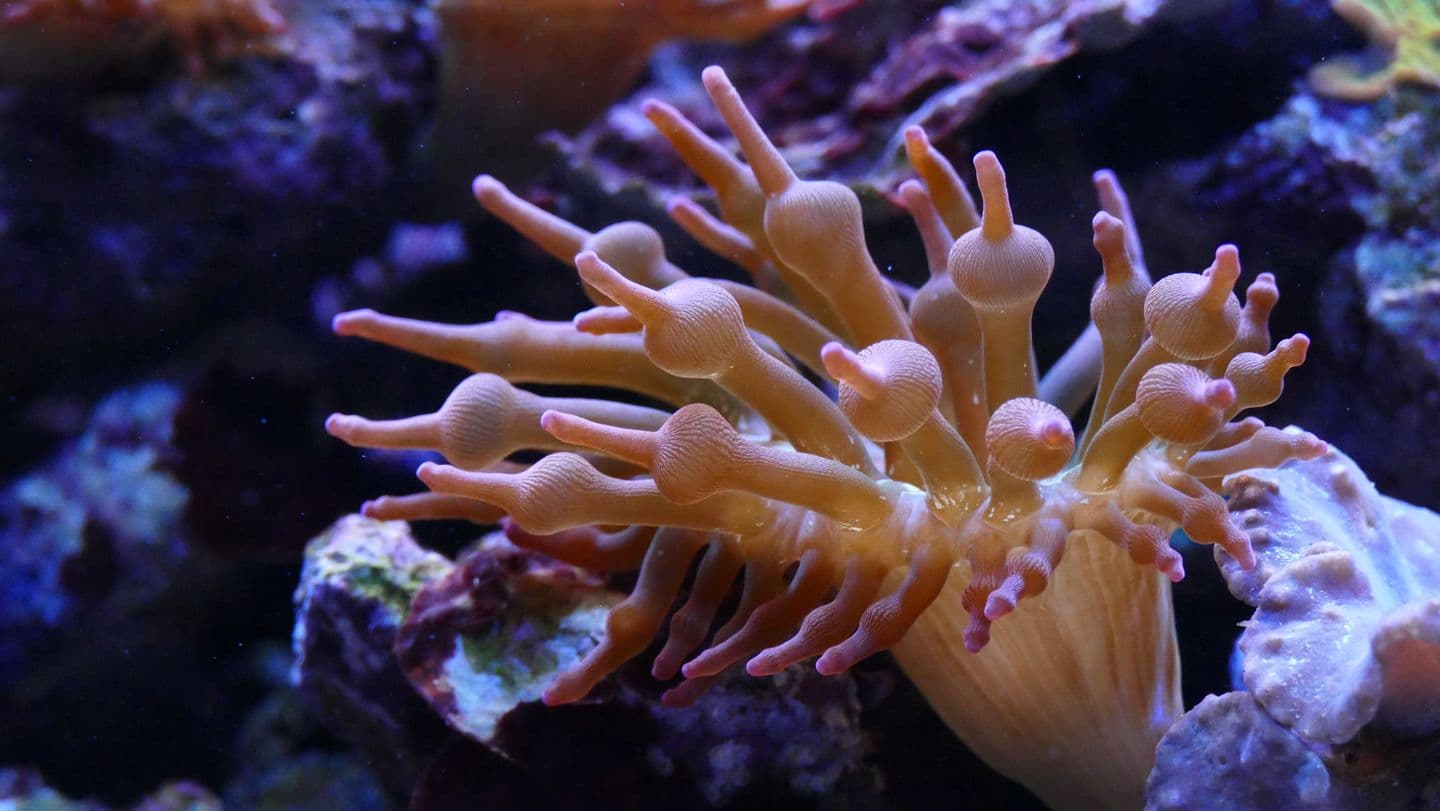
Eliminating Aiptasia Anemones From Your Saltwater Aquarium
Few pests generate as much frustration among reef keepers as Aiptasia, small, translucent glass anemones that hitchhike into a tank on live rock or coral and then reproduce rapidly, stinging neighbour
Few pests generate as much frustration among reef keepers as Aiptasia, small, translucent glass anemones that hitchhike into a tank on live rock or coral and then reproduce rapidly, stinging neighbouring corals and spreading across rockwork if left unchecked. The genuinely good news is that, unlike many aquarium pests, Aiptasia has several well proven control methods, provided you commit to one properly rather than hoping it disappears on its own.
Why Aiptasia is such a persistent problem
Aiptasia reproduces both sexually and by simply splitting off small pieces of itself, which means an incomplete removal attempt, breaking off a piece without killing the base, can actually make an infestation worse rather than better. It is also notably hardy compared with most desirable corals and anemones, tolerating a wide range of conditions that would stress out more delicate reef inhabitants, which is exactly why it thrives when other things in the tank are struggling.
Biological control: peppermint shrimp
Peppermint shrimp, specifically Lysmata wurdemanni, are the most popular and generally most effective biological control, actively hunting and eating Aiptasia, particularly smaller specimens. It is worth being careful with sourcing, since a visually similar but non-Aiptasia-eating relative is sometimes sold under a similar name, so buy from a reputable supplier who can confirm the species. Not every individual shrimp will take an interest in Aiptasia, so a small group improves the odds over relying on just one or two.
Biological control: Berghia nudibranchs
Berghia nudibranchs eat nothing but Aiptasia, making them a genuinely thorough solution once established, but this specialisation cuts both ways: they will starve once the Aiptasia is gone, so plan to rehome them to another hobbyist's infested tank or back to a shop once the job is done. They can be harder to source and more expensive than peppermint shrimp, and are best suited to a dedicated Aiptasia problem rather than as a general purpose addition to the clean-up crew.
Chemical treatments
Purpose made Aiptasia elimination products, applied directly to each individual polyp with a syringe, work by injecting a treatment that kills the anemone at the site of application. This method is precise and effective for isolated or hard to reach Aiptasia that biological control has not fully addressed, though it is genuinely tedious for a widespread infestation involving dozens of individual polyps, since each one needs to be treated directly rather than the tank being treated as a whole.
What does not work
There is no water treatment that reliably kills Aiptasia without also harming desirable corals and fish, so dosing the whole tank with anything hoping for a blanket solution is not a real option. Physically pulling or cutting Aiptasia out without also killing the base is similarly counterproductive, since any surviving tissue can regrow, and in some cases the disturbance actually encourages the anemone to reproduce faster in response.
Prevention is genuinely easier than cure
Most Aiptasia infestations start with a single hitchhiker arriving on new live rock or a new coral frag. Quarantining and carefully inspecting any new rock or coral addition before it goes into the display tank, checking closely for the small, translucent polyps that signal an early infestation, catches the problem while it is still a single manageable specimen rather than after it has had weeks to spread across established rockwork.
A realistic timeline for getting on top of it
Whichever method you choose, expect weeks rather than days to see a widespread infestation properly under control, and treat a single clean sweep as unlikely regardless of the approach. Peppermint shrimp and Berghia nudibranchs both work gradually as they hunt, and even careful, methodical use of a chemical treatment on dozens of individual polyps takes real time to complete thoroughly. Patience and consistency, checking rockwork regularly and treating new polyps as they appear, beats hoping for one dramatic fix that clears everything in a single attempt.
The scissortail rasbora, Rasbora trilineata, gets its name from the black-and-white banded tail fin, which opens and closes in a scissoring motion as the fish swims, a genuinely visible behaviour rath
Flushing a fish, whether dead or simply unwanted, down the toilet is a habit many Indian households have inherited without questioning it, and it carries real risks that are worth understanding.
A cover might seem like an afterthought compared to filtration or lighting, but for a saltwater tank it does real, unglamorous work: cutting evaporation, which matters a great deal given how salinity