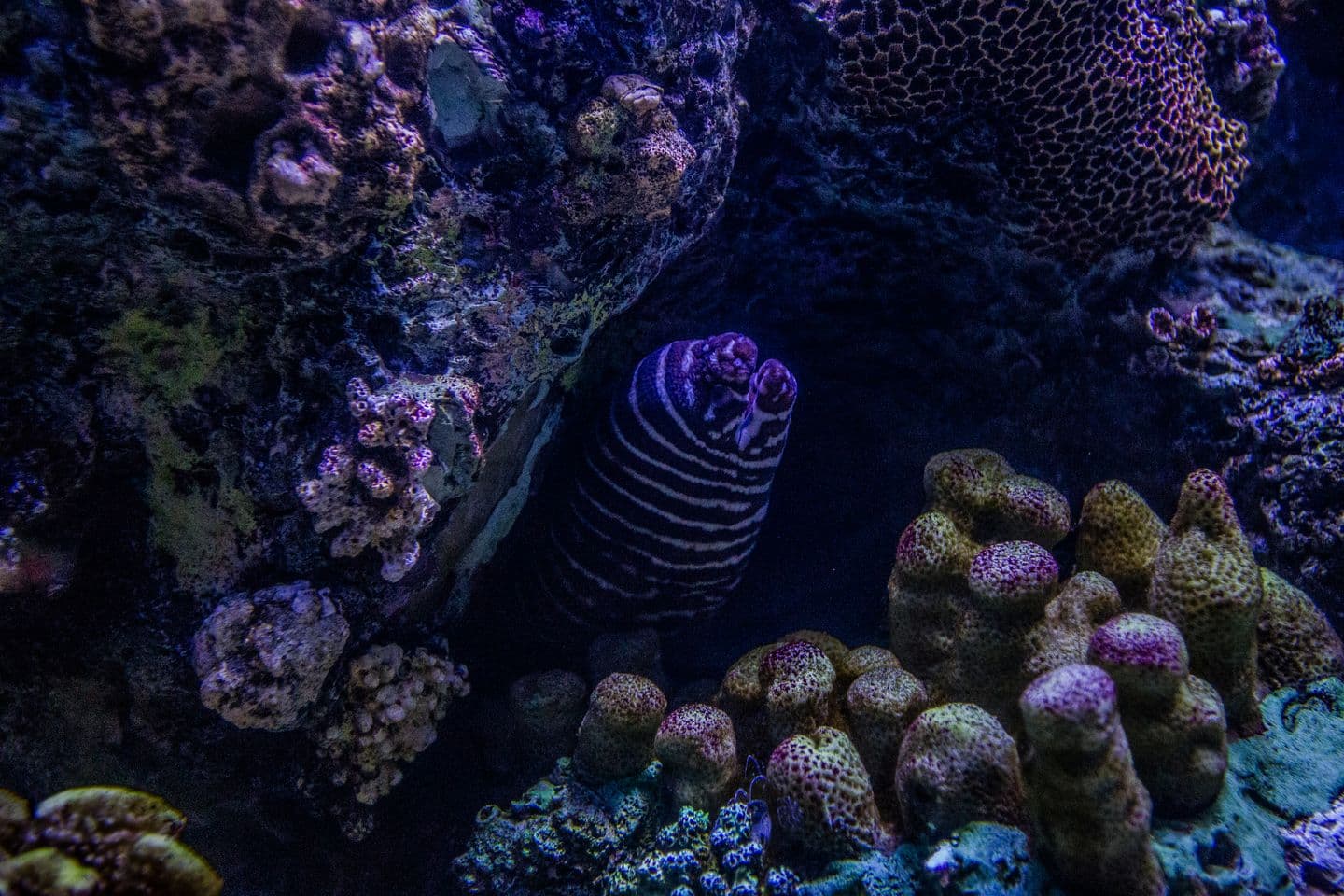
Everything You Need to Start a Saltwater Aquarium at Home
Setting up a saltwater aquarium for the first time involves more planning than a freshwater tank, mainly because the margin for error with water chemistry is smaller. None of the individual steps are
Setting up a saltwater aquarium for the first time involves more planning than a freshwater tank, mainly because the margin for error with water chemistry is smaller. None of the individual steps are difficult, but skipping or rushing any one of them is the most common reason new marine tanks struggle.
Choosing a tank and location
Bigger is genuinely easier for a first saltwater tank, since a larger water volume changes more slowly and gives you more room to catch and correct mistakes before they become serious. A tank in the 100 to 150 litre range is a reasonable, manageable starting point for most first time Indian reef keepers. Choose a location away from direct sunlight, away from doors or air conditioning vents that cause temperature swings, and on flooring and furniture rated for the full filled weight.
Core equipment checklist
Tank and a stand rated for its filled weight.
A reliable heater, sized to the tank volume, plus a separate thermometer to verify its reading independently.
A filtration system, whether a hang on back filter, a sump, or live rock based biological filtration.
A protein skimmer, which is not mandatory in every setup but makes nutrient control considerably easier, especially in a heavily stocked tank.
A powerhead or wavemaker for water movement, since fish, corals and beneficial bacteria all rely on adequate flow.
Lighting suited to your plans, basic for a fish only tank, dedicated reef lighting if corals are part of the plan.
A reliable marine salt mix, a refractometer or hydrometer to check salinity, and a basic test kit covering ammonia, nitrite, nitrate and pH at minimum.
Preparing the water
Use reverse osmosis or RO/DI water rather than ordinary tap water, since tap water in most Indian cities carries dissolved minerals, chlorine or chloramine and sometimes phosphate that cause persistent algae problems in a marine tank. Mix marine salt into the RO/DI water following the packaging instructions, and check salinity lands around 1.025 specific gravity, or roughly 35 parts per thousand, before adding it to the tank.
Aquascaping and substrate
Add your chosen substrate, rinsed thoroughly beforehand, followed by your dry or seeded live rock, built into a stable aquascape with good gaps for flow. Full detail on this stage is covered in the companion article on aquascaping in this series.
Cycling the tank
This is the step new keepers most often try to rush, and rushing it is the single most common cause of early fish losses. The nitrogen cycle establishes the beneficial bacteria that convert toxic ammonia into nitrite and then into far less harmful nitrate.
Add an ammonia source, either a small amount of fish food left to decay, a bottled pure ammonia product, or the natural die off on newly added live rock.
Test ammonia, nitrite and nitrate every few days, tracking the ammonia rising then falling, followed by nitrite rising then falling in turn.
The cycle is complete once both ammonia and nitrite consistently test at zero, which typically takes four to six weeks, sometimes longer.
Only once the cycle is complete should the first livestock be added, starting with one hardy fish and waiting at least two weeks before adding the next.
A realistic timeline
From an empty tank to a stocked, stable first fish, expect six to eight weeks in total, most of it spent waiting through the cycle rather than actively working on the tank. This is normal, and treating that waiting period as part of the process rather than an obstacle to rush through sets the tank up for a far more stable start.
A quarantine tank is worth planning for from the start
A separate, simple quarantine tank, even a modest bare bottom setup with just a heater and a sponge filter, gives you a safe place to acclimate and observe new fish for two to three weeks before they ever reach the display. This is far easier to plan for and build alongside the main tank from day one than to set up in a hurry later when a new fish is already showing signs of disease in a display tank that now has to be treated as a whole.
The scissortail rasbora, Rasbora trilineata, gets its name from the black-and-white banded tail fin, which opens and closes in a scissoring motion as the fish swims, a genuinely visible behaviour rath
Flushing a fish, whether dead or simply unwanted, down the toilet is a habit many Indian households have inherited without questioning it, and it carries real risks that are worth understanding.
A cover might seem like an afterthought compared to filtration or lighting, but for a saltwater tank it does real, unglamorous work: cutting evaporation, which matters a great deal given how salinity