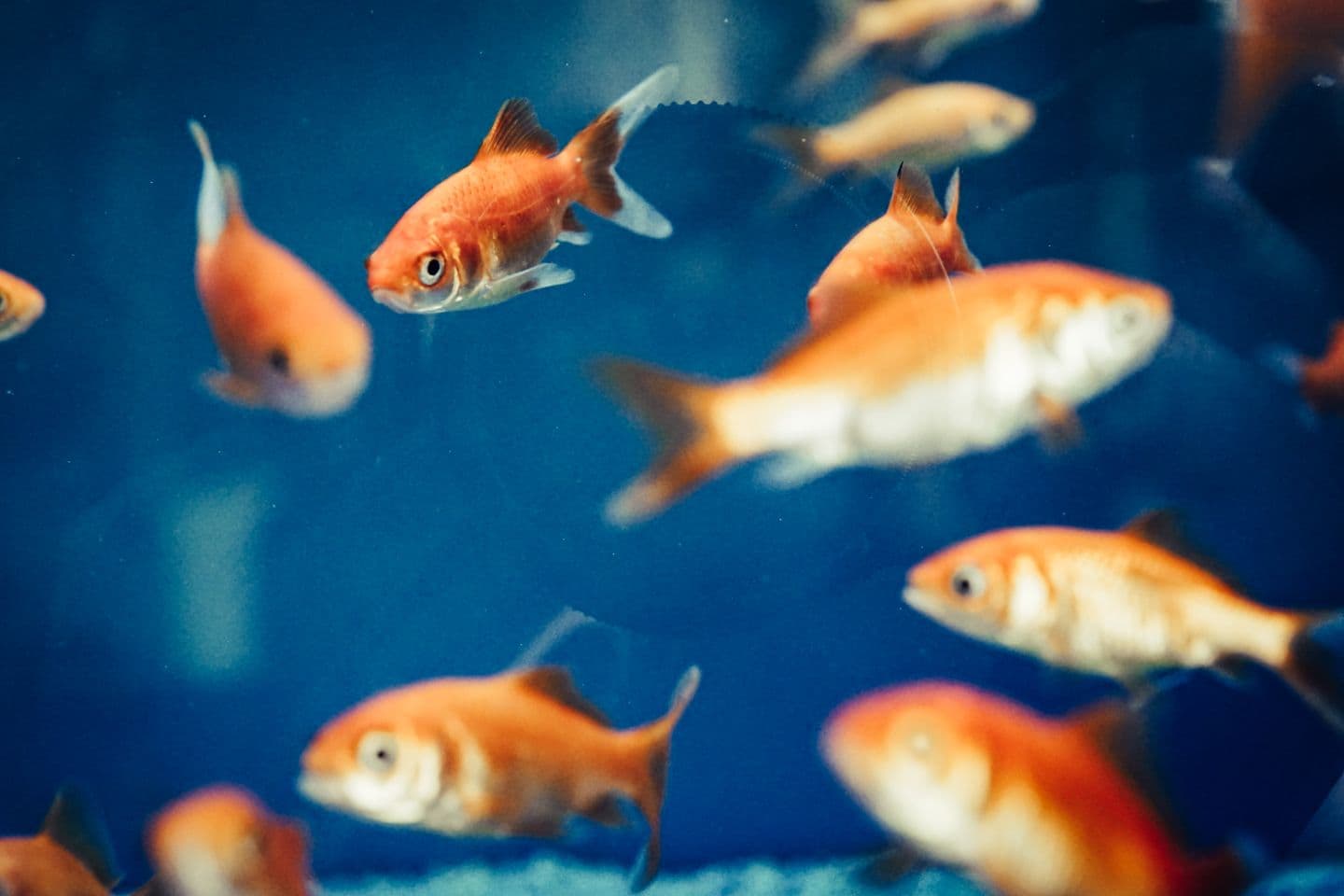
The fantail is one of the earliest fancy goldfish varieties developed in China, distinguished from the common goldfish by its egg-shaped body and paired, flowing tail fin. It tops out smaller than the
The fantail is one of the earliest fancy goldfish varieties developed in China, distinguished from the common goldfish by its egg-shaped body and paired, flowing tail fin. It tops out smaller than the common goldfish, usually around fifteen centimetres, but still needs generous space.
Because of the rounder body shape, fantails are somewhat less strong swimmers than the slender common goldfish, and do best without boisterous, fast-moving tankmates.
Tank requirements
A single fantail needs at least sixty litres, with room to add ten to fifteen litres for each additional fish. Like other goldfish, they are coldwater fish and are comfortable at typical Indian room temperature outside of the hottest months, when a fan-cooled or well-ventilated setup helps.
Smooth, rounded decor is worth choosing over sharp rocks, since the fantail's shorter, deeper body makes it a little less agile.
Diet and care
A high-quality sinking or slow-sinking pellet suits fantails better than flakes, since their rounder body shape makes them prone to swim bladder trouble if they gulp air while feeding at the surface. Soaking dry food briefly before feeding can help.
Peas and other fibrous vegetables occasionally in the diet support digestion and reduce the risk of constipation-related buoyancy problems, a common issue in fancy goldfish varieties.
Buying tips
Priced from around one hundred to three hundred rupees depending on size and quality
Watch a prospective purchase swim for a minute before buying, since persistent floating or sinking suggests swim bladder issues
Best kept with other slow-moving fancy goldfish rather than fast common goldfish or coldwater sharks
The scissortail rasbora, Rasbora trilineata, gets its name from the black-and-white banded tail fin, which opens and closes in a scissoring motion as the fish swims, a genuinely visible behaviour rath
Flushing a fish, whether dead or simply unwanted, down the toilet is a habit many Indian households have inherited without questioning it, and it carries real risks that are worth understanding.
A cover might seem like an afterthought compared to filtration or lighting, but for a saltwater tank it does real, unglamorous work: cutting evaporation, which matters a great deal given how salinity