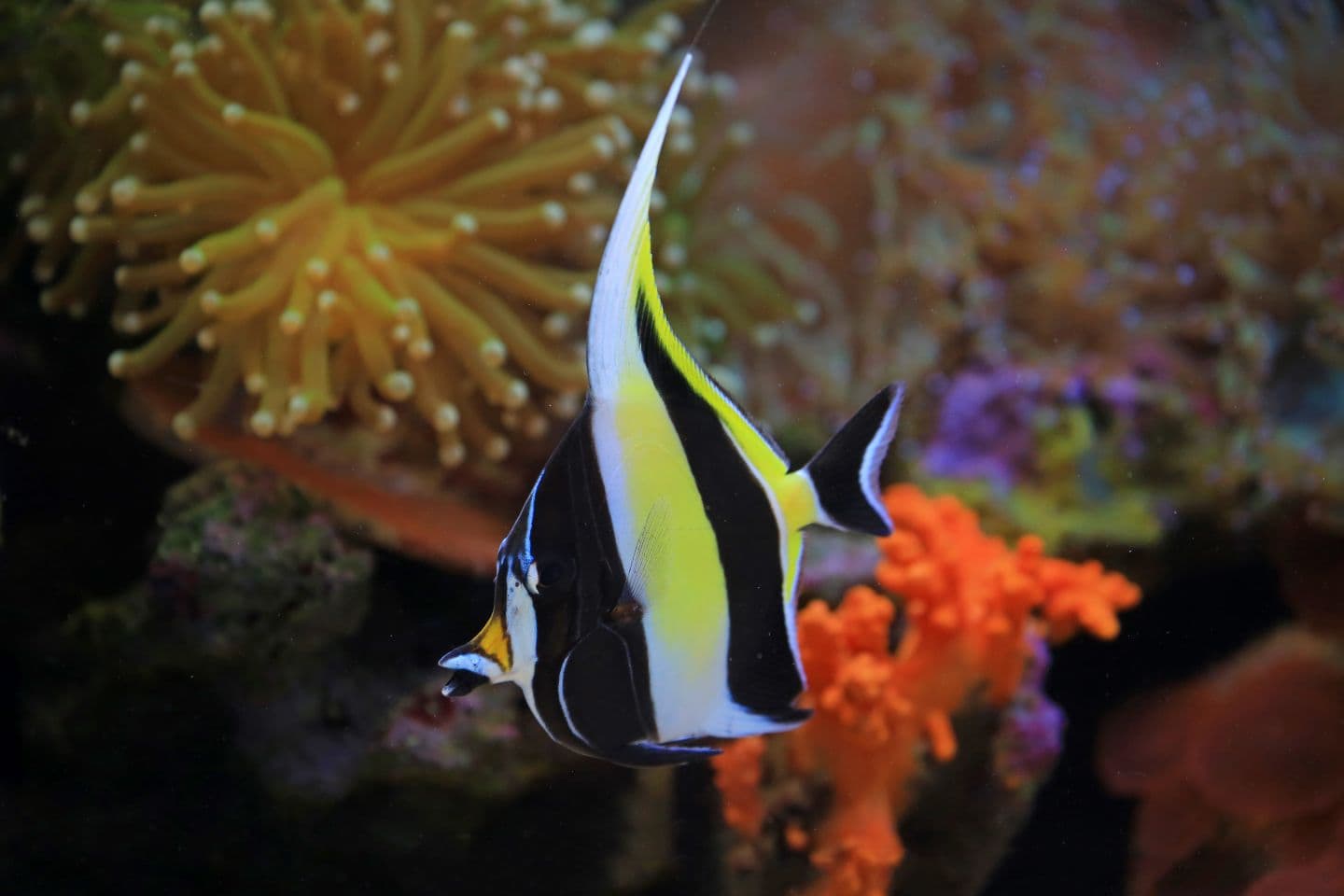
The first hour after bringing a new saltwater fish home decides a lot about how well it settles in. Fish arrive stressed from capture, transport and a change in water chemistry, so rushing the introdu
The first hour after bringing a new saltwater fish home decides a lot about how well it settles in. Fish arrive stressed from capture, transport and a change in water chemistry, so rushing the introduction is one of the most common and most avoidable causes of losses in the first few days.
Why acclimation matters
The water a fish travels in, whether from a local fish shop or shipped from further away, almost never matches your tank exactly. Temperature, pH and especially salinity can all differ. A sudden shift in any of these puts real physiological stress on the fish, weakening its immune system and making it far more vulnerable to disease in the days that follow.
Before you begin
Dim the room and tank lights. The fish has likely been in the dark for hours and a sudden bright room adds unnecessary stress.
Never pour the bag water into your tank or quarantine tank, since it may carry pathogens, medication residue or ammonia.
Always acclimate into a quarantine tank first if you run one, rather than straight into the display, since acclimation manages water chemistry, not disease risk.
Two common methods
Floating method
Float the sealed bag in the tank for about fifteen to twenty minutes to match temperature. Then open the bag and add small amounts of tank water every five minutes over the next twenty to thirty minutes, discarding an equal amount of bag water each time, before finally netting the fish into the tank.
Drip method
A slower, more gradual method using airline tubing to drip tank water into a container holding the fish, ideal for fish that are particularly sensitive to salinity change. Covered in full detail in the companion article on the drip line method.
How much difference is too much
A temperature gap of 1 to 2 degrees Celsius between bag and tank is generally not a concern and the floating method handles it well. A gap larger than that, or any noticeable difference in salinity, is a signal to lean towards the slower drip method rather than the quicker floating and pouring approach, since the fish's body needs more time to adjust safely.
Signs the fish is coping well
Swimming upright and showing normal fin movement inside the bag or container.
Breathing at a steady, unhurried rate rather than rapid gilling.
Reasonable colour, without unusual paling or darkening.
Warning signs during acclimation
Gasping at the surface or erratic darting, which may mean water changes are happening too fast.
Lying on its side or showing laboured breathing, which needs prompt netting into stable, well oxygenated water.
Once released into the tank, dim lighting for the first few hours and avoid adding other new fish or feeding heavily on the same day, so the new arrival has time to find its footing without added competition.
The scissortail rasbora, Rasbora trilineata, gets its name from the black-and-white banded tail fin, which opens and closes in a scissoring motion as the fish swims, a genuinely visible behaviour rath
Flushing a fish, whether dead or simply unwanted, down the toilet is a habit many Indian households have inherited without questioning it, and it carries real risks that are worth understanding.
A cover might seem like an afterthought compared to filtration or lighting, but for a saltwater tank it does real, unglamorous work: cutting evaporation, which matters a great deal given how salinity