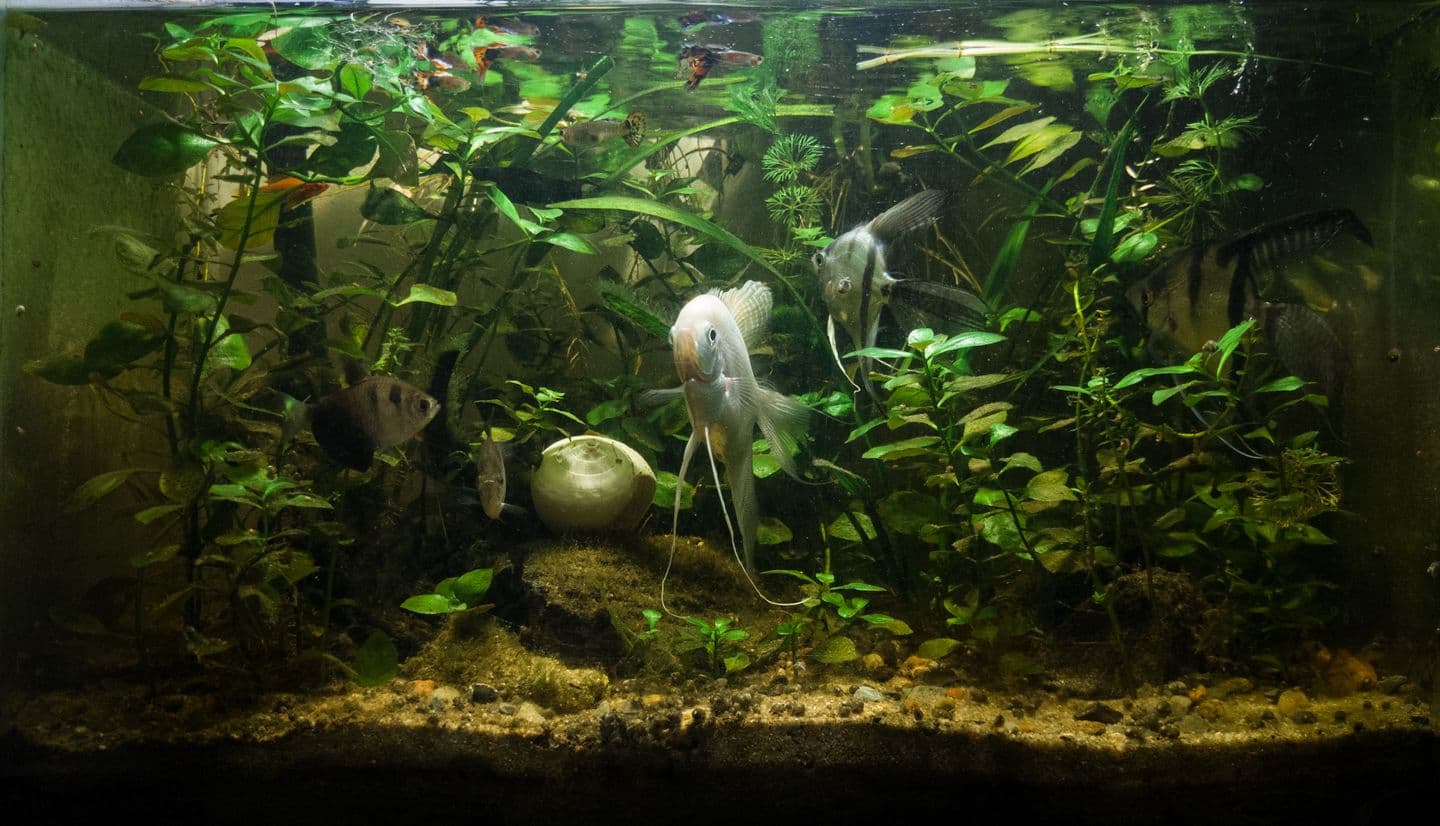
Freshwater fishkeeping is where almost every aquarist in India begins, and for good reason. It costs less to set up than a marine tank, the equipment is easier to find at a local pet shop, and species
Freshwater fishkeeping is where almost every aquarist in India begins, and for good reason. It costs less to set up than a marine tank, the equipment is easier to find at a local pet shop, and species like guppies, mollies, tetras and gouramis are forgiving of the small mistakes every beginner makes. Good freshwater care comes down to three things done consistently: stable water, the right tankmates, and a feeding routine that does not overdo it.
Water conditions freshwater fish actually need
Most community freshwater fish sold in India, including guppies, mollies, platies, tetras and barbs, do well in a pH between 6.5 and 7.5 and a temperature of 24 to 28 degrees Celsius, which is comfortably within range for most parts of the country for much of the year, though a heater is still worth having for cooler winter nights in the north. Ammonia and nitrite should always read zero in an established tank, and nitrate should stay under 40 parts per million, kept in check through weekly water changes.
Tap water in most Indian cities is chlorinated, and some municipalities also add chloramine, both of which are harmful to fish gills. Always treat new water with a dechlorinator before adding it to the tank, and try to match the new water's temperature to the tank's before pouring it in.
Choosing fish that will actually get along
Freshwater compatibility mistakes are one of the most common reasons a beginner's tank turns stressful for its inhabitants. Schooling fish like tetras and rasboras need to be kept in groups of five or six, not as a lone pair, or they become nervous and hide. Male bettas cannot be housed with each other, and territorial fish like some barbs or cichlids need clear boundaries of rock or plant cover to break sightlines. Before buying anything at the shop, it is worth spending five minutes checking whether the species you like actually suits the fish you already have.
Feeding freshwater fish well
A good quality flake or pellet food covers most community fish, with the occasional treat of frozen or live food such as bloodworms for variety and better colour. Feed small amounts once or twice daily rather than one large feed, and remove anything uneaten after a few minutes. Leftover food breaks down into ammonia just as fish waste does, so a tank that is fed generously but never checked for leftovers will drift out of balance faster than one that is fed modestly.
Early signs of a stressed or unwell fish
Freshwater fish tend to show trouble through behaviour before anything is visibly wrong. Watch for clamped fins held close to the body, hiding more than usual, loss of appetite, rapid gill movement, or scratching against gravel and décor, an early sign of parasites such as ich, which also shows up as small white spots on the skin and fins. Any of these is worth an immediate water test, since poor water quality is behind a large share of freshwater fish illness, well before reaching for medication.
A simple weekly routine
Freshwater tanks reward consistency far more than intensity. A workable weekly rhythm looks like:
A 20 to 30 percent water change with dechlorinated, temperature matched water
A quick test of ammonia, nitrite and pH, especially in the first few months
Gentle removal of algae from the glass
A visual check of each fish for colour, appetite and behaviour, since fish often show the first signs of illness through subtle changes rather than obvious symptoms
The scissortail rasbora, Rasbora trilineata, gets its name from the black-and-white banded tail fin, which opens and closes in a scissoring motion as the fish swims, a genuinely visible behaviour rath
Flushing a fish, whether dead or simply unwanted, down the toilet is a habit many Indian households have inherited without questioning it, and it carries real risks that are worth understanding.
A cover might seem like an afterthought compared to filtration or lighting, but for a saltwater tank it does real, unglamorous work: cutting evaporation, which matters a great deal given how salinity