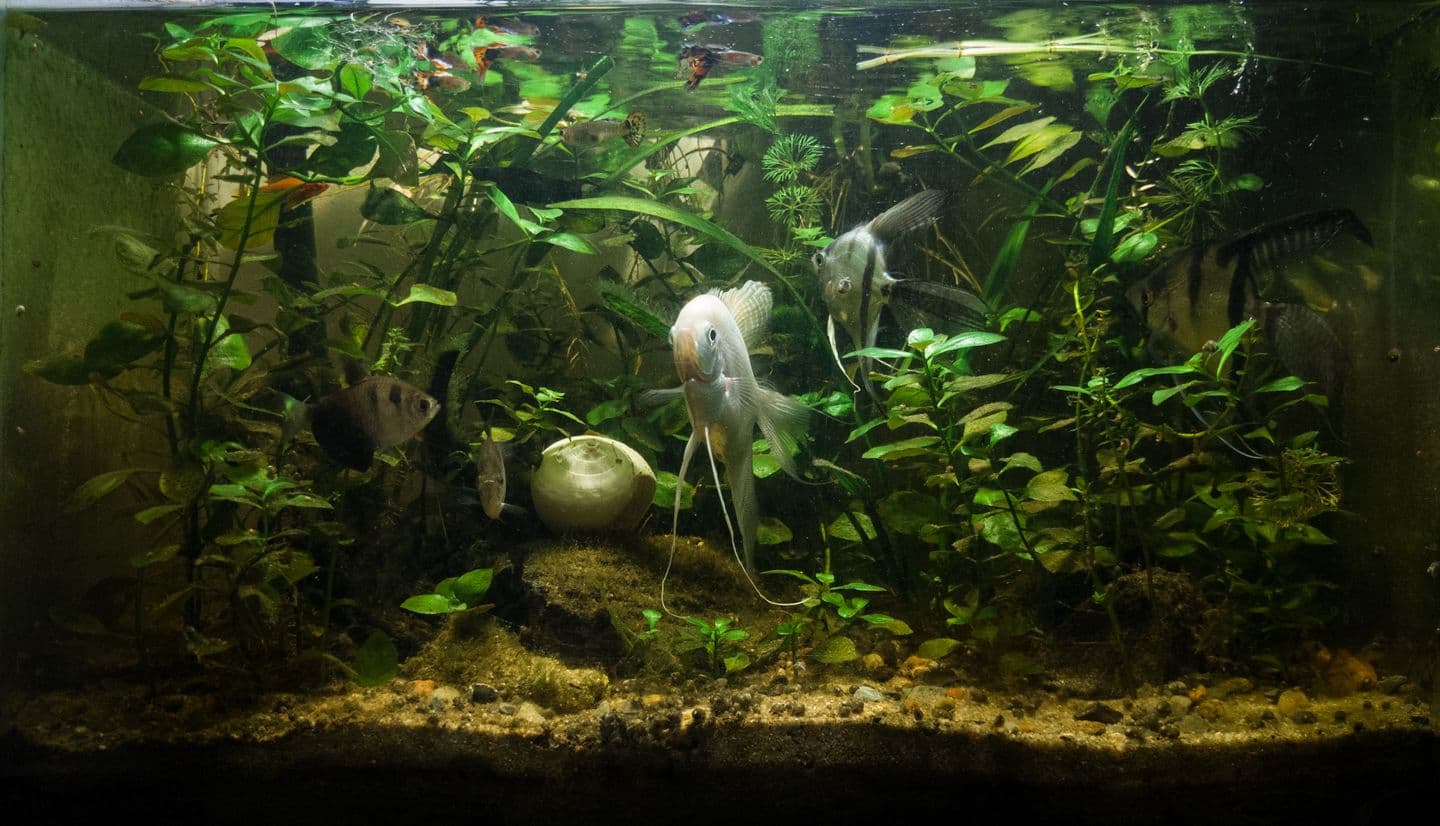
How to Stock Your Aquarium with Top Dwelling Fish and More
A tank stocked entirely with mid-water fish can look strangely empty near the surface, and top dwelling species fill exactly that gap, adding movement and colour to the part of the tank that would oth
A tank stocked entirely with mid-water fish can look strangely empty near the surface, and top dwelling species fill exactly that gap, adding movement and colour to the part of the tank that would otherwise sit largely unused.
Why top dwellers matter for a balanced tank
Fish naturally occupy different zones of a tank: bottom dwellers such as corydoras and loaches, mid-water fish such as most tetras and barbs, and surface or top dwellers that spend most of their time near the water's surface. A community tank that includes fish from each zone tends to look fuller and more naturally active than one crowded entirely into a single layer, and it also spreads feeding competition more evenly across the tank.
Good top dwelling species for an Indian community tank
Zebra and leopard danios, hardy, inexpensive schooling fish that stay active near the surface and tolerate a wide temperature range, making them forgiving for beginners
Hatchetfish, distinctive fish with a flattened, wing-like body shape that skims just below the surface, though they are accomplished jumpers and need a tightly fitted lid
Guppies, which naturally spend much of their time in the upper third of the tank and add reliable colour with minimal care requirements
Celestial pearl danios, a smaller, more delicate schooling species suited to a well planted tank with gentler tank mates
Setting up the tank with top dwellers in mind
Top dwelling fish are almost universally strong jumpers, since escaping upward and outward is their natural response to danger in the wild, so a snugly fitting lid is essential rather than optional. Floating plants such as frogbit or salvinia give top dwellers cover and a more natural feel to the upper zone, without blocking the light that fish lower in the tank still need.
Stocking sensibly across all three zones
When planning a new community tank, resist the urge to stock every fish from the same level simply because they caught your eye in the shop. A rough mix of a few bottom dwelling scavengers, a school or two of mid-water fish, and a group of top dwellers gives a tank genuine depth and activity at every level, and tends to reduce territorial squabbling too, since each group has its own space to settle into.
Availability in India
Danios and guppies are inexpensive and easy to find in almost any Indian aquarium shop, making them a sensible first choice for a top dwelling group. Hatchetfish and celestial pearl danios are less commonly stocked and are more often wild caught or imported, so expect a higher price and inspect them a little more carefully for signs of stress or illness before buying, since imported stock has typically travelled further and endured more handling than locally bred fish.
The scissortail rasbora, Rasbora trilineata, gets its name from the black-and-white banded tail fin, which opens and closes in a scissoring motion as the fish swims, a genuinely visible behaviour rath
Flushing a fish, whether dead or simply unwanted, down the toilet is a habit many Indian households have inherited without questioning it, and it carries real risks that are worth understanding.
A cover might seem like an afterthought compared to filtration or lighting, but for a saltwater tank it does real, unglamorous work: cutting evaporation, which matters a great deal given how salinity