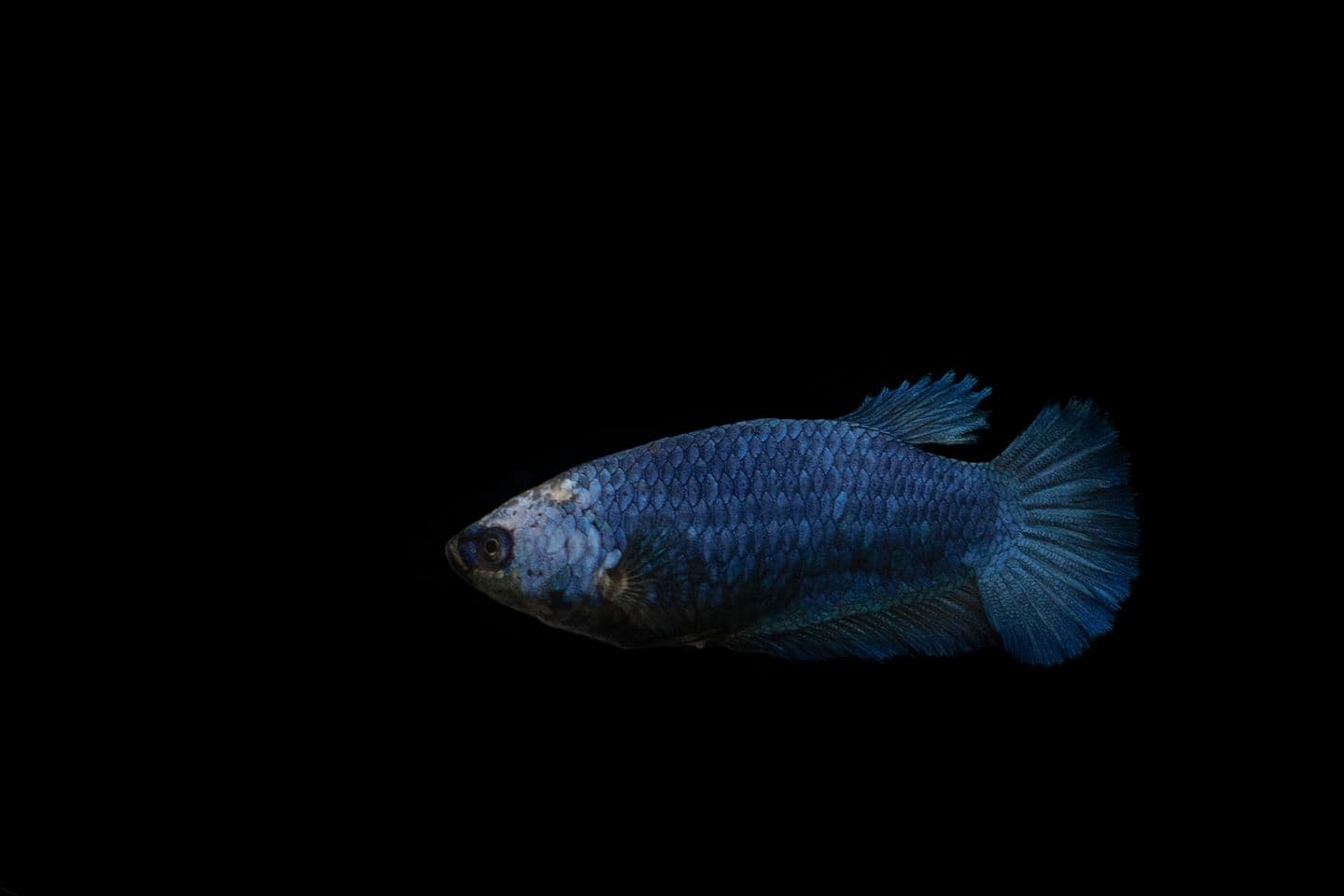
Bettas in the wild live in shallow, slow moving rice paddies and roadside ditches across Thailand, choked with vegetation and almost no current. A bare tank with plastic plants is a poor imitation of
Bettas in the wild live in shallow, slow moving rice paddies and roadside ditches across Thailand, choked with vegetation and almost no current. A bare tank with plastic plants is a poor imitation of that, and it is also harder on a betta physically, since stiff plastic edges tear their long fins far more easily than a soft leaf ever would. Live plants solve both problems at once, and most of the ones that work well for bettas are forgiving enough for a first time keeper.
Rhizome plants that need almost nothing from you
Java fern and anubias are the two plants most experienced betta keepers reach for first, and for good reason. Both grow from a rhizome, a thick horizontal stem, that must never be buried in the substrate or it will rot. Instead, tie or glue the rhizome to a piece of driftwood or a rock using cotton thread or aquarium safe glue, and leave it alone. Both plants tolerate low light, do not need carbon dioxide injection or a dosing routine, and grow slowly enough that they rarely need trimming. Anubias in particular has broad, sturdy leaves that bettas often use as a resting perch just under the surface, which suits a fish that likes to hover rather than swim constantly.
Floating plants for shade and cover
Bettas are surface breathers, drawing air into a labyrinth organ whenever they visit the top of the tank, so floating plants need to leave some open water rather than carpeting the entire surface. Frogbit, red root floaters and dwarf water lettuce all work well in moderate amounts. They diffuse harsh overhead lighting, which bettas generally prefer to bright direct light, and their trailing roots give a betta somewhere to explore and rest without needing a rooted plant at all.
A rooted option if you want colour or texture at the base
Cryptocoryne wendtii is one of the few rooted plants that copes well in a betta only tank. It grows at a moderate pace, tolerates a wide light range, and comes in green, red and bronze leaf forms if you want some variety at the bottom of the tank rather than just floating cover up top. New crypts sometimes drop most of their leaves within the first couple of weeks after planting, a stress response known as crypt melt. It looks alarming but is rarely fatal, and fresh growth usually returns from the rhizome within a few weeks provided the water parameters stay stable in the meantime.
How much light these plants actually need
None of the plants above need a specialist aquascaping light. A basic LED unit run for six to eight hours a day is enough for all of them, and running it much longer than that mostly feeds algae rather than the plants themselves. A simple plug timer keeps this consistent without needing to remember to switch the light on and off by hand.
A genuinely no fuss option
Marimo moss balls are not technically a plant in the usual sense, they are a ball shaped colony of algae, but they behave like one in the tank and ask for nothing beyond an occasional squeeze and rinse in old tank water. Bettas often push them around the tank floor as a form of enrichment, which is reason enough to keep one or two in a smaller setup.
What to avoid as a beginner
Plants that specifically call for CO2 injection or heavy fertiliser dosing, since a single betta tank rarely justifies that level of equipment
Overcrowding the surface with floaters to the point where a betta struggles to reach open air
Plastic plants with hard, ridged edges, which remain one of the more common causes of torn betta fins
Sourcing plants in India
Java fern, anubias and crypts are now commonly stocked at local fish markets and aquarium shops in most Indian cities, and are also widely available online. Whatever the source, quarantine new plants in a bucket of clean water for a few minutes and check the leaves and rhizome closely for snail eggs, which look like small clear jelly clusters, before adding anything to an established tank. Hard tap water, common across much of India, does not trouble any of the plants above, so there is no need to soften water specifically for a planted betta tank.
The scissortail rasbora, Rasbora trilineata, gets its name from the black-and-white banded tail fin, which opens and closes in a scissoring motion as the fish swims, a genuinely visible behaviour rath
Flushing a fish, whether dead or simply unwanted, down the toilet is a habit many Indian households have inherited without questioning it, and it carries real risks that are worth understanding.
A cover might seem like an afterthought compared to filtration or lighting, but for a saltwater tank it does real, unglamorous work: cutting evaporation, which matters a great deal given how salinity