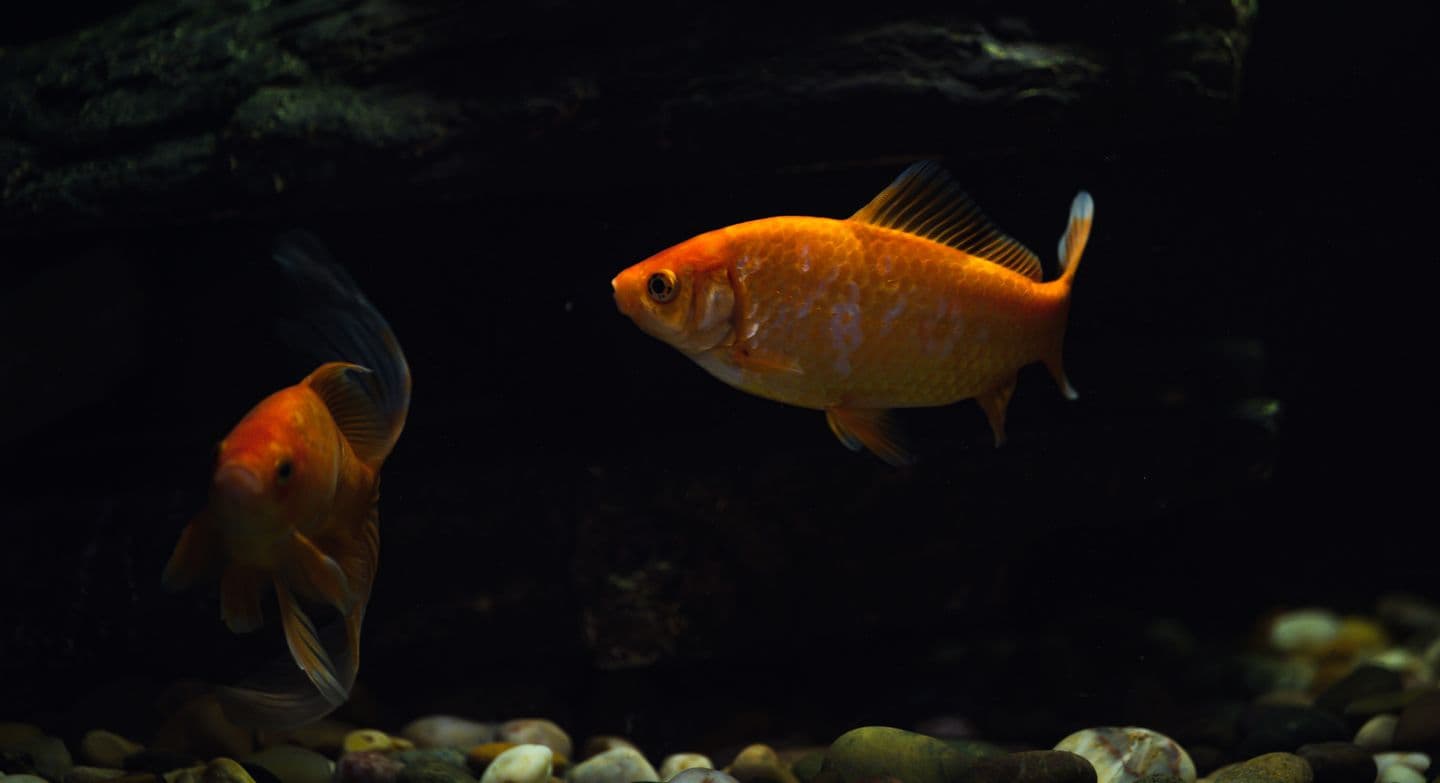
The oranda is instantly recognisable by its wen, a raspberry-like growth of fleshy tissue that covers the head and, in well-developed specimens, gives the fish a crowned appearance. It shares its egg-
The oranda is instantly recognisable by its wen, a raspberry-like growth of fleshy tissue that covers the head and, in well-developed specimens, gives the fish a crowned appearance. It shares its egg-shaped body and paired tail fin with the fantail, and reaches a similar adult size of around twenty centimetres in ideal conditions.
The wen continues to develop for the first two to three years of the fish's life, so a young oranda in a shop may show only a hint of the growth it will eventually carry.
Tank requirements
A single oranda needs at least seventy five litres, more as the wen develops and the fish grows. Like other fancy goldfish, it is a relatively slow, deliberate swimmer and does best without fast tankmates that might out-compete it for food.
Water quality matters more for orandas than for plainer goldfish varieties, since the wen is prone to bacterial infections if ammonia or nitrite levels rise, showing up as reddish, inflamed patches on the growth.
Diet and care
A varied diet of good-quality sinking pellets, blanched vegetables and occasional live food supports both general health and healthy wen development. Overfeeding protein-heavy foods is a common cause of the swim bladder problems this body shape is already somewhat prone to.
Regular partial water changes, at least once a week, help prevent the wen infections that are the most common health complaint with this variety.
Buying tips
Priced from around one hundred fifty rupees for younger fish to well over a thousand for mature, well-developed red cap or calico orandas
A red cap oranda, white bodied with a red wen, is a particularly popular colour form in Indian aquarium shops
Buy from a shop with clean, well-maintained tanks, since wen infections often start before the fish even leaves the store
The scissortail rasbora, Rasbora trilineata, gets its name from the black-and-white banded tail fin, which opens and closes in a scissoring motion as the fish swims, a genuinely visible behaviour rath
Flushing a fish, whether dead or simply unwanted, down the toilet is a habit many Indian households have inherited without questioning it, and it carries real risks that are worth understanding.
A cover might seem like an afterthought compared to filtration or lighting, but for a saltwater tank it does real, unglamorous work: cutting evaporation, which matters a great deal given how salinity