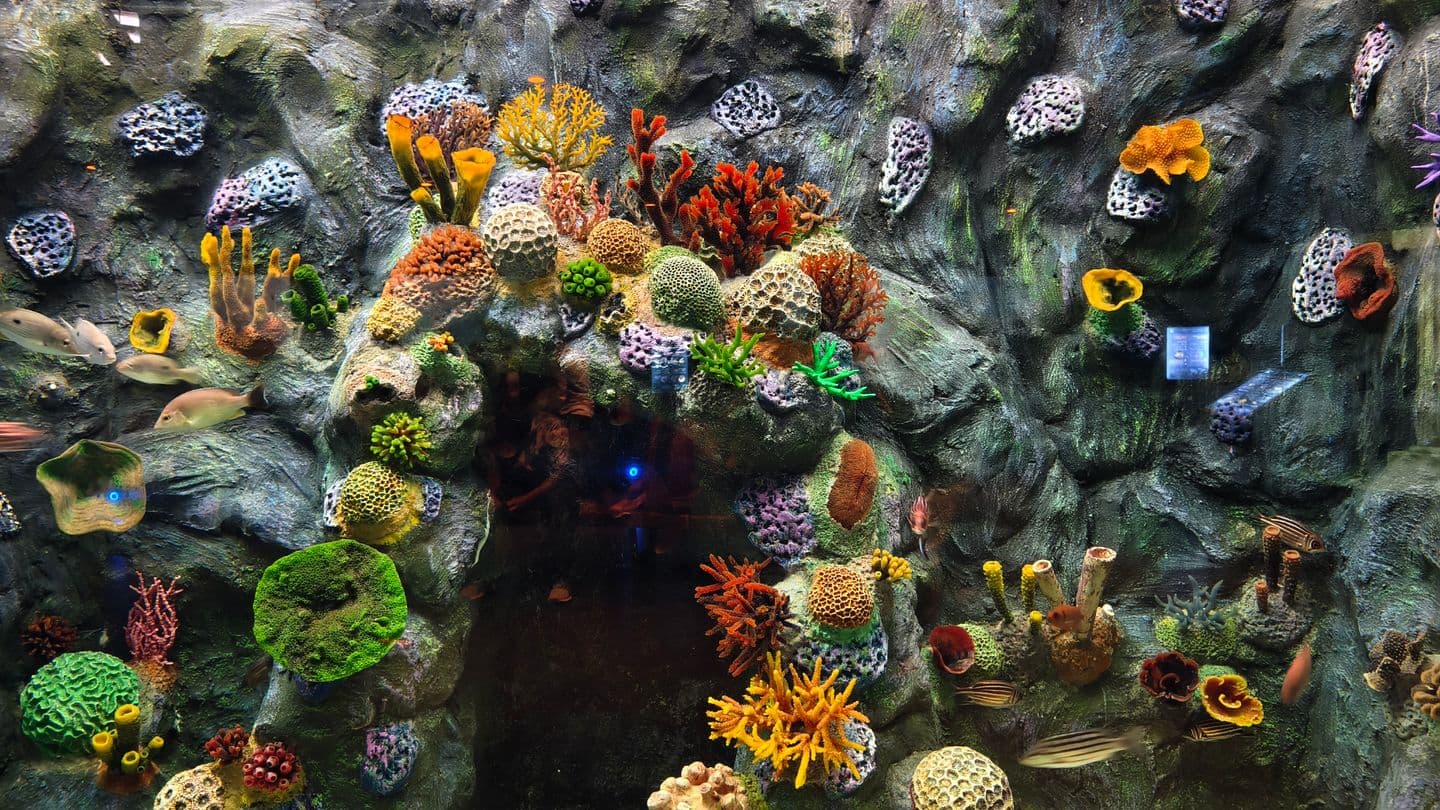
Starting a Saltwater Aquarium: A Complete Setup Checklist
Setting up a marine tank for the first time can feel like a much bigger undertaking than a freshwater setup, mostly because there genuinely are more moving parts to get right. Breaking it down into a
Setting up a marine tank for the first time can feel like a much bigger undertaking than a freshwater setup, mostly because there genuinely are more moving parts to get right. Breaking it down into a clear, ordered checklist turns what feels overwhelming into a series of manageable steps, and following the right order matters here more than in almost any other part of the hobby.
Step 1: Decide what kind of saltwater tank you want
Before buying anything, settle on fish only, fish only with live rock, or a full reef tank with corals, since this decision shapes every equipment purchase that follows. A fish only setup is the simplest and most affordable entry point, and it is a genuinely sensible place for a first time marine keeper to start, with a coral reef system as a later upgrade once the fundamentals feel comfortable.
Step 2: Gather the core equipment
A basic marine setup, before any livestock, needs:
A tank and stand rated for the filled weight
A protein skimmer, particularly important once stocking beyond a very light fish load
A reliable heater and a separate thermometer to verify it
A hydrometer or refractometer for salinity, a refractometer being the more accurate of the two
Marine-specific test kits for ammonia, nitrite, nitrate, pH and salinity, since freshwater kits are not calibrated correctly for marine chemistry
Marine salt mix and either RO water or a reliable dechlorinated tap water source
Live rock and marine-appropriate substrate, such as aragonite sand, if going the FOWLR or reef route
A grounding probe, a small, inexpensive device that helps direct any stray electrical current away from the water, worth adding since saltwater conducts electricity considerably better than freshwater does
Step 3: Mix and test your saltwater
Never add dry salt directly to the tank. Mix it in a separate container with RO water, following the product's instructions, then let it circulate for several hours before checking specific gravity with your hydrometer or refractometer. Aim for roughly 1.020 to 1.025 for a fish only tank, and closer to 1.023 to 1.025 for a reef system, adjusting gradually rather than all at once if the reading is off.
Step 4: Add substrate and live rock, then fill
Rinse aragonite sand thoroughly before adding it, layer it into the tank, then arrange your live rock into stable, secure formations, ideally with a little planning for aesthetics and future coral placement if going the reef route. Fill the tank with your prepared saltwater, matched for temperature, and get the filter, heater and any powerheads running before moving to the next step.
Step 5: Cycle the tank
This is the step that cannot be rushed. A marine tank typically takes six to eight weeks to cycle, often longer than an equivalent freshwater tank, since the nitrifying bacteria a marine system relies on grow more slowly. Live rock helps seed this process naturally, and a bacterial starter product can help too, but test ammonia, nitrite and nitrate weekly throughout and only move on once ammonia and nitrite both consistently read zero.
Step 6: Add your first fish
Start with one or two genuinely hardy species, such as a clownfish or a damselfish, rather than several fish at once. Acclimate carefully using the drip method rather than simply floating and releasing the bag, and wait several weeks before adding more, giving your biological filtration time to grow alongside the increasing bioload.
Step 7: Settle into ongoing maintenance
Once stocked, a marine tank needs weekly attention: a 10 to 20 percent water change, salinity and temperature checks, and regular testing of the core parameters. This is where a saltwater tank asks for more consistency than a freshwater one, since the margin for error is narrower, but a tank kept on a steady routine from the start rarely runs into the dramatic crashes that give the hobby its reputation for difficulty.
Budgeting the real cost in India
A basic fish only marine setup in India, tank, heater, filtration, salt, hydrometer and starter supplies, typically starts from around twelve to twenty thousand rupees for a compact size, with a properly equipped reef ready setup running considerably higher once a skimmer, quality lighting and live rock are added. Ongoing costs matter too: marine salt mix, RO water production, and test kit refills are a genuine recurring expense, so it is worth budgeting for the months ahead rather than just the initial purchase.
The scissortail rasbora, Rasbora trilineata, gets its name from the black-and-white banded tail fin, which opens and closes in a scissoring motion as the fish swims, a genuinely visible behaviour rath
Flushing a fish, whether dead or simply unwanted, down the toilet is a habit many Indian households have inherited without questioning it, and it carries real risks that are worth understanding.
A cover might seem like an afterthought compared to filtration or lighting, but for a saltwater tank it does real, unglamorous work: cutting evaporation, which matters a great deal given how salinity