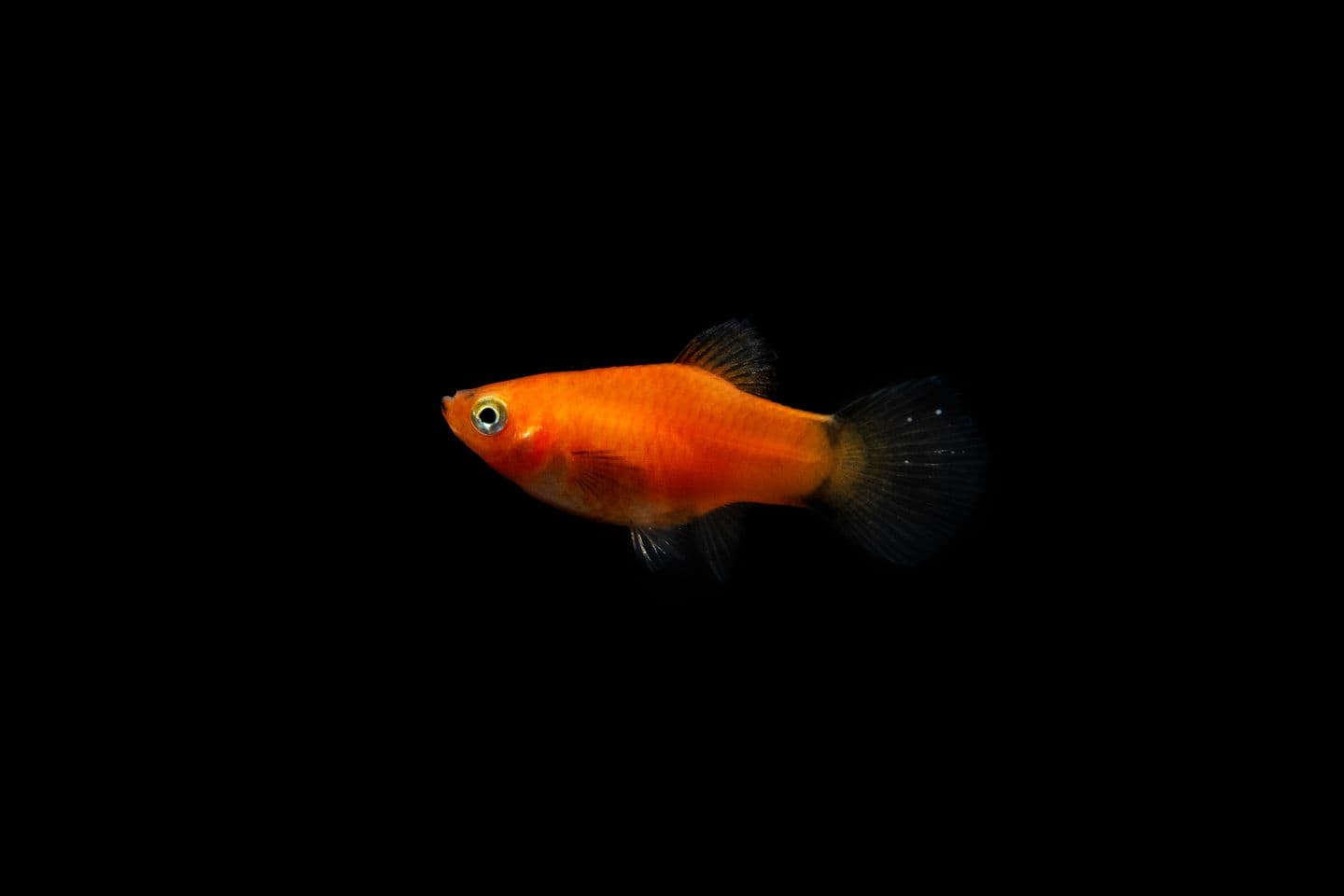
Swordtails: The Livebearer With a Blade for a Tail
The swordtail, Xiphophorus hellerii, gets its name from the sword-like extension on the lower edge of the male's tail fin, a feature absent in females. Native to Mexico and Central America, it is a cl
The swordtail, Xiphophorus hellerii, gets its name from the sword-like extension on the lower edge of the male's tail fin, a feature absent in females. Native to Mexico and Central America, it is a close relative of the platy and shares much of its easy-going nature, though it grows larger, up to twelve centimetres for a mature male.
Popular colour forms in India include red, green, and the koi-patterned swordtail, which mixes orange, black and white.
Tank and water requirements
Given their adult size, swordtails need at least eighty litres for a small group, with more swimming room preferred since they are active fish. They share the same water preferences as mollies and platies, doing well in India's typically harder tap water.
A tight-fitting lid is worth having, since swordtails are known jumpers, particularly when startled or when a dominant male is chasing a rival.
Diet and behaviour
An omnivorous diet of flakes, pellets, and occasional live or frozen food keeps swordtails in good colour. They will also nibble algae and soft plants.
Two males in a small tank often clash over territory and females, so keeping one male with several females, or a larger group with more swimming space, avoids constant chasing.
Buying tips
Priced similarly to mollies in most Indian shops, generally forty to a hundred rupees per fish
Check that the sword extension is intact and not frayed, a sign of fin nipping or poor water quality at the shop
A well-kept swordtail can live three to five years, longer than many hobbyists expect from a livebearer
An unusual quirk
Occasionally a female swordtail that has already bred and raised fry will later develop a sword and male colouring, a genuine sex reversal rather than a misidentification. It is a normal, if surprising, part of the species' biology, and not a sign of illness or poor water quality.
The scissortail rasbora, Rasbora trilineata, gets its name from the black-and-white banded tail fin, which opens and closes in a scissoring motion as the fish swims, a genuinely visible behaviour rath
Flushing a fish, whether dead or simply unwanted, down the toilet is a habit many Indian households have inherited without questioning it, and it carries real risks that are worth understanding.
A cover might seem like an afterthought compared to filtration or lighting, but for a saltwater tank it does real, unglamorous work: cutting evaporation, which matters a great deal given how salinity