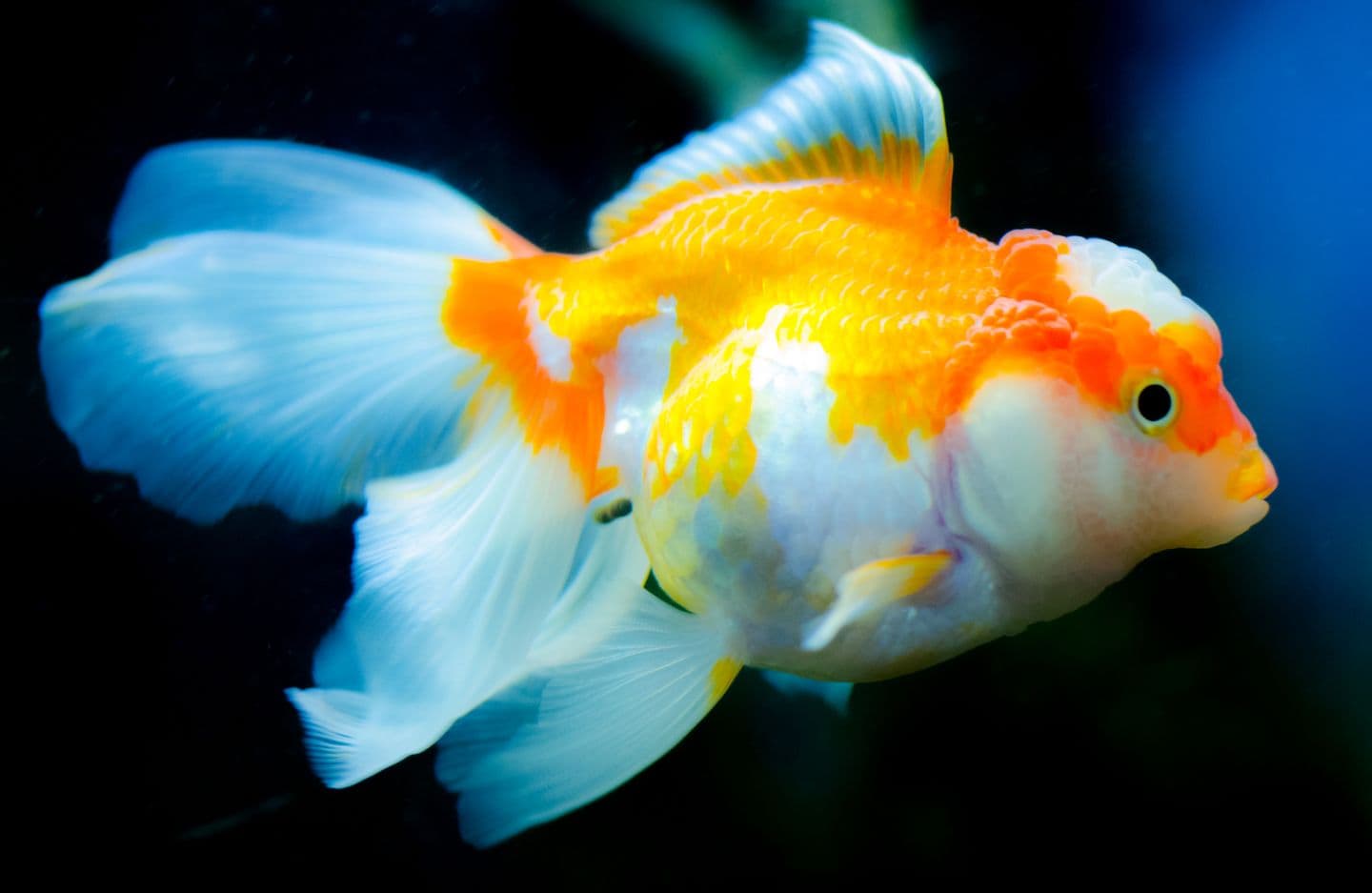
Telescope Goldfish: Built to Be Looked At, Not to See Well
The telescope goldfish, sometimes called the dragon eye goldfish, is defined by its markedly protruding eyes, which develop gradually as the fish matures and can eventually stick out several centimetr
The telescope goldfish, sometimes called the dragon eye goldfish, is defined by its markedly protruding eyes, which develop gradually as the fish matures and can eventually stick out several centimetres from the head. It comes in a wide range of colours and body shapes, with the black moor being its most famous single-colour form.
Adults typically reach fifteen to twenty centimetres, and the eyes, though dramatic, come at a real cost to the fish's eyesight and overall hardiness compared to plainer goldfish varieties.
Tank requirements
A single telescope goldfish needs at least seventy five litres, kept free of sharp rocks, plastic plants with hard edges, or rough filter intakes that could catch and injure the protruding eyes.
Because their vision is limited, telescopes are slow to compete for food and should only be kept with equally slow tankmates, never fast common goldfish or coldwater sharks that will simply out-eat them.
Diet and care
Sinking pellets and a varied diet with occasional live or frozen food work well. Feed in more than one spot in the tank if keeping several telescopes together, since a dominant fish can otherwise monopolise food faster than the others can locate it.
Watch for cloudiness or swelling in the eyes, an early sign of infection that spreads more easily here than in fish with normal, protected eyes.
Buying tips
Priced similarly to the black moor, generally eighty to two hundred fifty rupees in most Indian shops
Choose fish with clear, evenly sized eyes and confident, if slow, swimming
Not a suitable tankmate for common or shubunkin goldfish, which will consistently out-compete it for food
The scissortail rasbora, Rasbora trilineata, gets its name from the black-and-white banded tail fin, which opens and closes in a scissoring motion as the fish swims, a genuinely visible behaviour rath
Flushing a fish, whether dead or simply unwanted, down the toilet is a habit many Indian households have inherited without questioning it, and it carries real risks that are worth understanding.
A cover might seem like an afterthought compared to filtration or lighting, but for a saltwater tank it does real, unglamorous work: cutting evaporation, which matters a great deal given how salinity