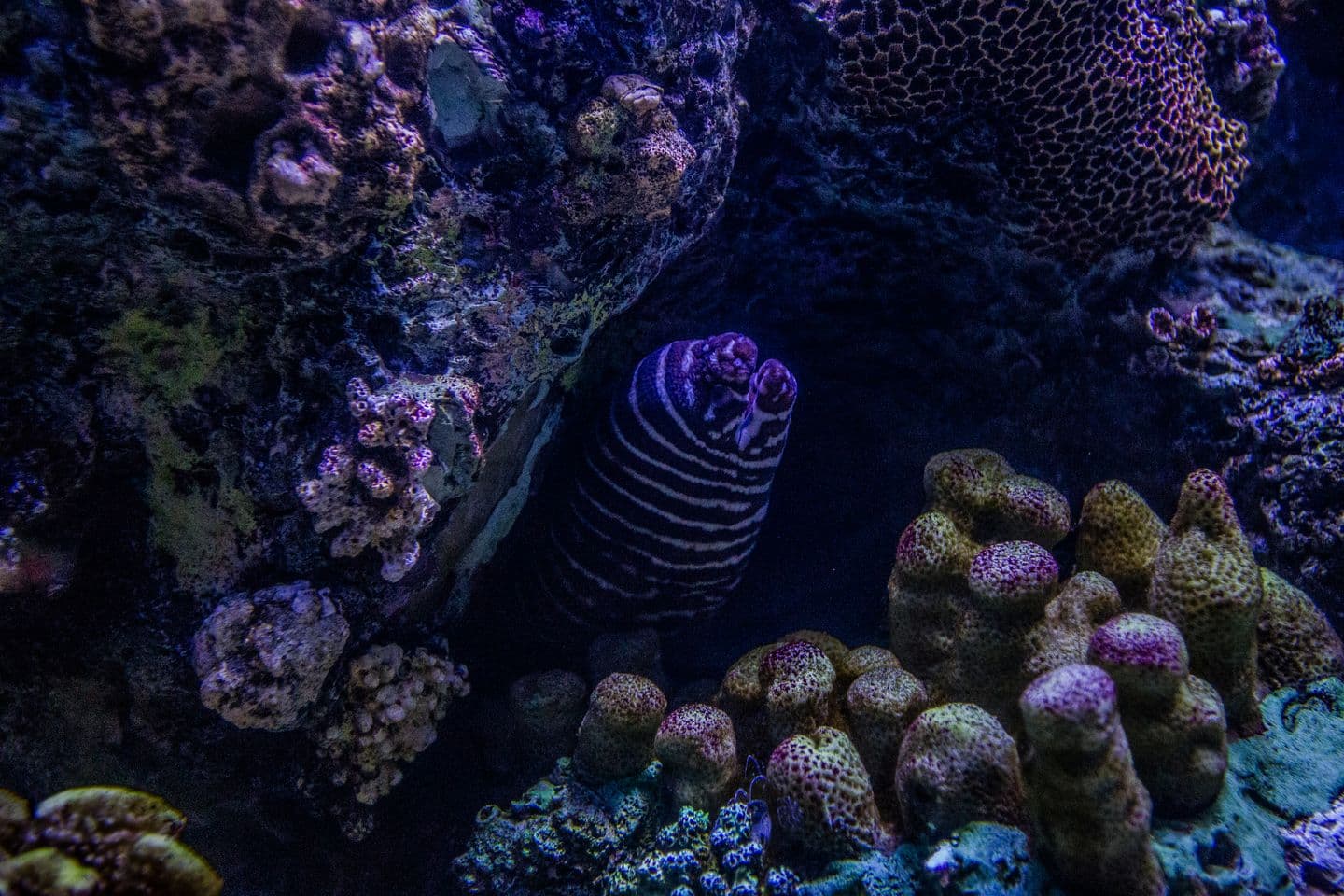
A saltwater aquarium is best thought of less as a fish tank and more as a small, self contained ocean ecosystem that you are responsible for keeping in balance. Where a freshwater tank is mostly about
A saltwater aquarium is best thought of less as a fish tank and more as a small, self contained ocean ecosystem that you are responsible for keeping in balance. Where a freshwater tank is mostly about the fish, a marine tank is about the relationship between fish, live rock, water chemistry and, if you go that route, corals and invertebrates. Understanding this bigger picture before you buy your first piece of equipment will save both money and fish.
The three broad types of saltwater setup
Not every marine tank is a coral reef. There are three common approaches, and it is worth deciding which one you actually want before shopping:
Fish only, or FO: the simplest and most affordable marine setup, focused purely on fish with rock and sand as decor
Fish only with live rock, or FOWLR: adds porous live rock that hosts beneficial bacteria and adds natural filtration and biodiversity
Reef tank: the most demanding version, adding corals and invertebrates that need precise lighting, water flow and stable chemistry beyond what fish alone require
Why live rock matters
Live rock is porous, calcium based rock colonised by beneficial bacteria, and it functions as both décor and biological filtration. It provides surface area for the same nitrifying bacteria that a freshwater tank grows in filter media, along with hiding spots that reduce stress for shy or territorial fish. A FOWLR or reef setup typically uses roughly half a kilogram to a kilogram of live rock per gallon of water as a starting guideline, though this varies by aquascaping style.
Equipment that a marine system leans on more heavily
Compared with a freshwater tank, a saltwater aquarium generally asks for a few additional pieces of hardware:
A protein skimmer, which removes dissolved organic waste before it breaks down into ammonia
A powerhead or wavemaker for water movement, particularly important if you plan to keep corals
A reliable heater with a separate thermometer as a check, since marine species tolerate temperature swings poorly
A hydrometer or refractometer for regular salinity checks
The real cost picture in India
A basic small marine setup with tank, filtration, lighting and salt can be assembled in India starting from roughly twelve to twenty thousand rupees for a compact all in one kit, while a properly equipped reef ready setup with a sump, skimmer and reef lighting can run considerably higher. Ongoing costs matter too. Marine salt mix, RO water, and supplements are a genuine recurring expense, generally higher than the running cost of an equivalent freshwater tank, so it is worth budgeting for the hobby rather than just the initial purchase.
Acclimating new marine fish properly
Marine fish are far less tolerant of a sudden change in salinity or pH than freshwater fish, which makes acclimation a genuine skill rather than a formality. Float the sealed bag in the tank for about fifteen to twenty minutes to match temperature, then use the drip acclimation method, slowly adding small amounts of tank water into the bag over sixty to ninety minutes using airline tubing, before netting the fish into the tank. Never pour the bag's water into your display tank, since it may carry pathogens or ammonia from transport.
The scissortail rasbora, Rasbora trilineata, gets its name from the black-and-white banded tail fin, which opens and closes in a scissoring motion as the fish swims, a genuinely visible behaviour rath
Flushing a fish, whether dead or simply unwanted, down the toilet is a habit many Indian households have inherited without questioning it, and it carries real risks that are worth understanding.
A cover might seem like an afterthought compared to filtration or lighting, but for a saltwater tank it does real, unglamorous work: cutting evaporation, which matters a great deal given how salinity