Using Live Plants and Corals vs Artificial Decor in Your Home Aquarium
Freshwater hobbyists debate real versus artificial plants. In a marine tank the equivalent question is a little different, since true aquatic plants are not really part of a saltwater display. The cho
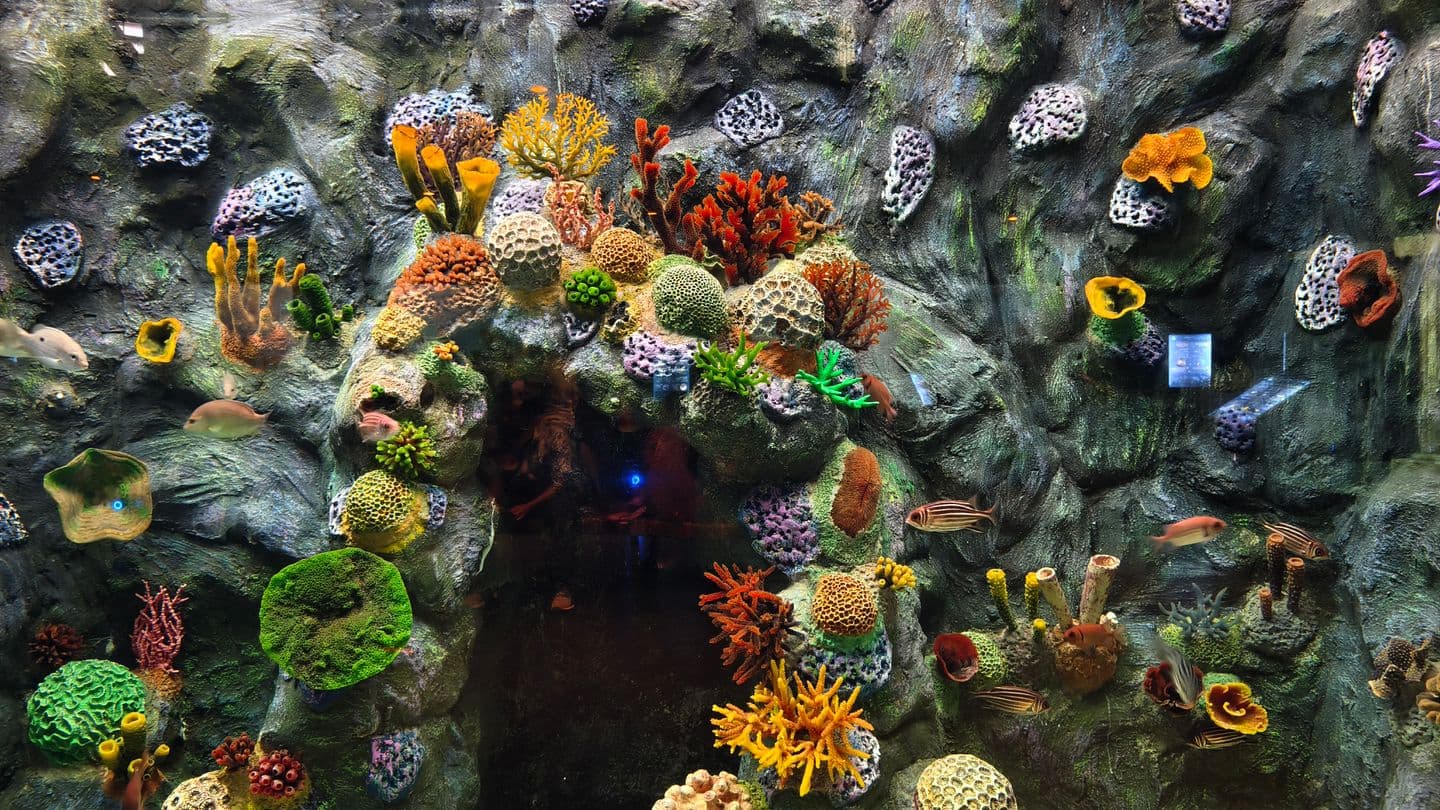
Freshwater hobbyists debate real versus artificial plants. In a marine tank the equivalent question is a little different, since true aquatic plants are not really part of a saltwater display. The choice instead is between live macroalgae and corals on one side, and artificial decor, plastic corals and synthetic rockwork on the other.
The case for live macroalgae and corals
Live macroalgae, most commonly grown in a refugium, actively pulls nitrate and phosphate out of the water, genuinely improving water quality rather than just looking natural. It also provides habitat for beneficial microfauna like copepods and amphipods, which become a food source for fish and corals over time. Live corals, where you choose to keep them, add colour, movement and biological complexity that no artificial piece can fully replicate, and many hobbyists find the slower, more involved process of keeping them alive genuinely rewarding.
The case for artificial decor
Artificial corals and decor need no lighting considerations, no water parameter stability beyond what your fish already require, and no risk of dying if you make a maintenance mistake early on. They are a sensible choice for a genuinely beginner fish only tank, for a hobbyist still building confidence with water chemistry, or simply for anyone who wants strong colour and structure without taking on the additional care that live corals demand.
A practical middle path
Start with a fish only tank using artificial rockwork or decor while you build confidence with cycling, water changes and salinity control.
Add a refugium with live chaetomorpha early, since it improves water quality and does not carry the same risk or cost as display corals.
Introduce hardy soft corals or large polyp stony corals once your parameters have been stable for several months.
Move toward small polyp stony corals, which are generally less forgiving, only once you are confident maintaining calcium, alkalinity and magnesium consistently.
What to avoid mixing carelessly
Be cautious about combining live rock or live sand with artificial decor that is not rated safe for marine use. Some artificial aquarium ornaments, particularly cheaper ones made for freshwater tanks, are not designed to withstand marine salinity and can leach unwanted materials into the water over time. Always buy decor explicitly labelled safe for saltwater or reef use.
The cost gap in India
Live rock, live sand and corals all carry import costs and, for corals in particular, livestock permit and shipping considerations that push prices well above equivalent artificial pieces, which are widely and cheaply available through Indian aquarium retailers. This cost gap is one honest reason many Indian hobbyists start with artificial decor and a fish only tank, then move toward live rock and corals gradually as budget and confidence allow, rather than building a full reef system from day one.
There is no single correct answer here. A fish only tank built entirely around artificial decor, well maintained, is a perfectly legitimate and often more forgiving way to enjoy the hobby. A reef tank built around live corals and macroalgae is a different, more demanding, and for many hobbyists more fulfilling project. The right choice depends on how much time, budget and patience you genuinely want to commit.
The scissortail rasbora, Rasbora trilineata, gets its name from the black-and-white banded tail fin, which opens and closes in a scissoring motion as the fish swims, a genuinely visible behaviour rath
Flushing a fish, whether dead or simply unwanted, down the toilet is a habit many Indian households have inherited without questioning it, and it carries real risks that are worth understanding.
A cover might seem like an afterthought compared to filtration or lighting, but for a saltwater tank it does real, unglamorous work: cutting evaporation, which matters a great deal given how salinity