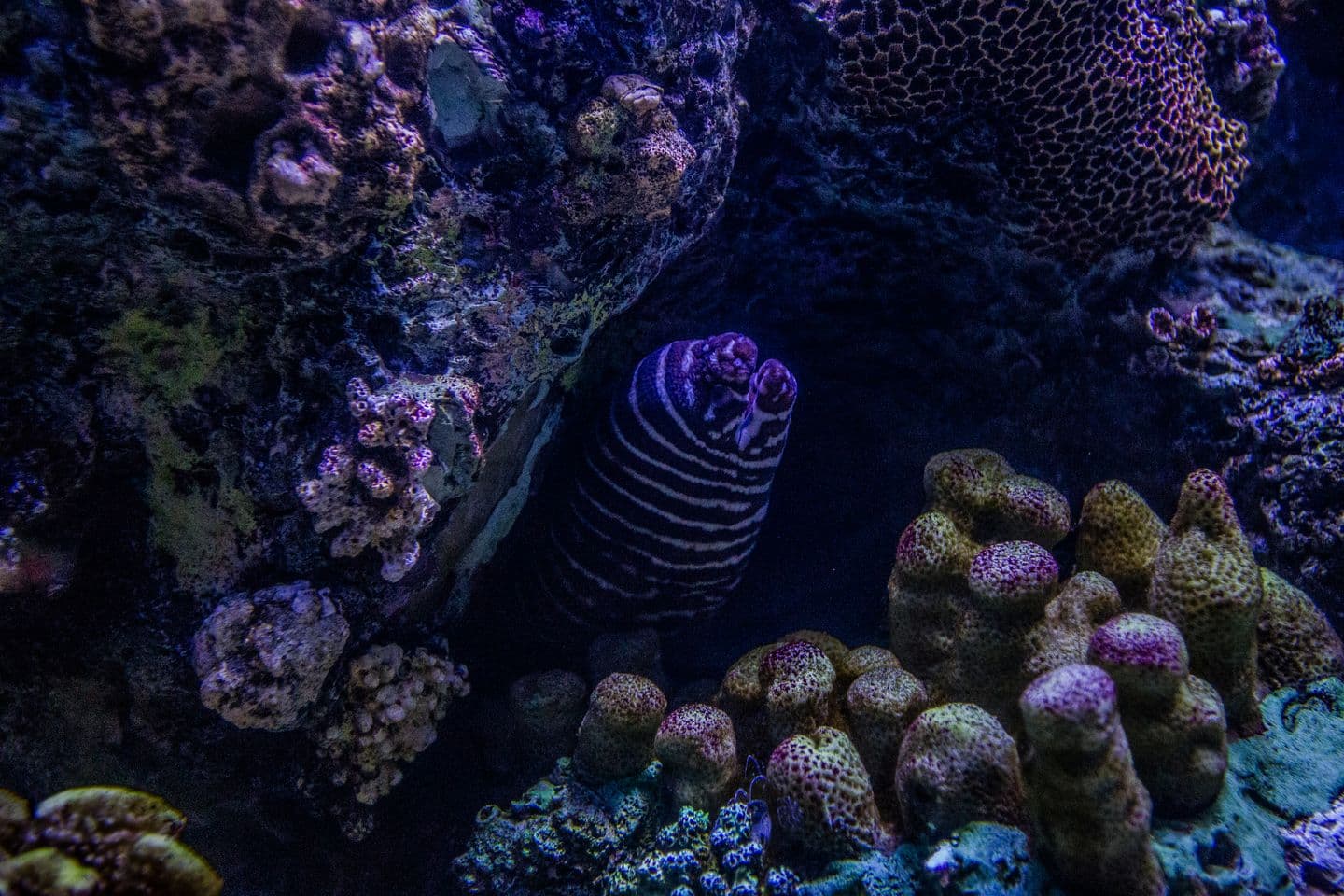
A reef tank is a saltwater aquarium built specifically to keep living corals alongside fish and invertebrates, recreating something close to a natural coral reef rather than just a tank of swimming fi
A reef tank is a saltwater aquarium built specifically to keep living corals alongside fish and invertebrates, recreating something close to a natural coral reef rather than just a tank of swimming fish. It sits at the more demanding end of the marine hobby, since corals need tighter, more stable water conditions than fish alone.
How it differs from other saltwater tanks
Marine tanks are usually grouped into three broad types, and understanding where a reef tank fits helps set the right expectations before you start.
Fish only (FO): fish and simple decoration only, no live rock or corals. The simplest and most forgiving marine setup, good for a dedicated beginner learning the basics of salinity, filtration and water changes.
Fish only with live rock (FOWLR): the same fish focused approach, but with live rock added for natural filtration, hiding spots and a more realistic look. Often treated as a stepping stone toward a full reef tank.
Reef tank: fish, invertebrates and living corals together, with the tank built around what the corals need, particularly light and stable chemistry, rather than fish alone.
What makes reef keeping different
Lighting: corals rely on light for photosynthesis through the algae living in their tissue, so reef tanks need dedicated reef lighting rather than the basic fixtures used on fish only tanks.
Water parameters: alongside the usual ammonia, nitrite and nitrate checks, reef keepers also track calcium, alkalinity and magnesium, since corals draw on these to build their skeletons.
Flow: corals need water movement across their surface to feed and to avoid trapping waste on their tissue, so reef tanks typically run stronger, more varied flow than a simple fish tank.
Livestock compatibility: not every attractive marine fish is reef safe. Some will pick at coral polyps or invertebrates, so stocking choices are more restricted than in a fish only tank.
Is a reef tank right for a first saltwater aquarium
Most experienced reefers suggest starting with a fish only or FOWLR tank first, simply to build comfort with salinity, water testing and the general rhythm of marine tank maintenance before adding the extra demands of coral care. That said, many hobbyists do successfully start directly with an easy, soft coral dominated reef tank, provided they are prepared to test water more often and research each new coral before buying it.
A starting point for Indian reef keepers
Reef keeping in India comes with a few extra practical considerations beyond the hobby basics: most corals, better reef lighting and test kits are imported, so lead times and shipping costs matter when planning a build. Starting with a smaller, soft coral and LPS focused reef tank keeps initial costs more manageable and gives you room to learn before investing in the higher end lighting and dosing equipment that SPS dominated reefs typically need.
The scissortail rasbora, Rasbora trilineata, gets its name from the black-and-white banded tail fin, which opens and closes in a scissoring motion as the fish swims, a genuinely visible behaviour rath
Flushing a fish, whether dead or simply unwanted, down the toilet is a habit many Indian households have inherited without questioning it, and it carries real risks that are worth understanding.
A cover might seem like an afterthought compared to filtration or lighting, but for a saltwater tank it does real, unglamorous work: cutting evaporation, which matters a great deal given how salinity