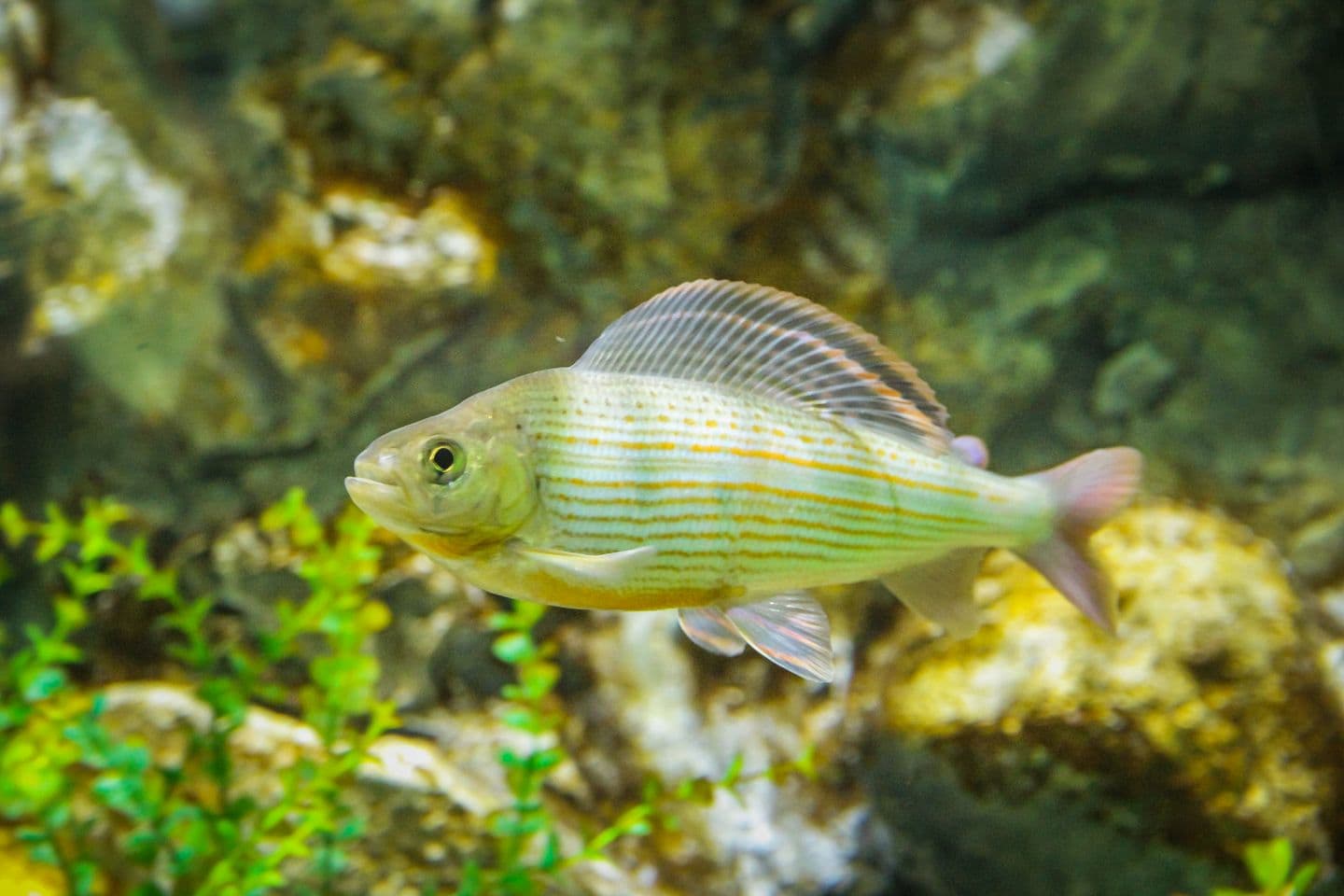
Yoyo Loach: A Fish With Its Name Written On Its Side
The yoyo loach gets its playful common name from the dark markings along its silvery body, which in young fish can resemble the letters Y and O repeated along the flank, though the pattern becomes mor
The yoyo loach gets its playful common name from the dark markings along its silvery body, which in young fish can resemble the letters Y and O repeated along the flank, though the pattern becomes more irregular with age. It is genuinely native to the Ganges basin of northern India and possibly Nepal, and reaches around eleven to fifteen centimetres.
Its other common name, Pakistani loach, is a genuine misnomer worth knowing: the true species has not actually been recorded from Pakistan, that role there belongs to a separate, closely related species. To complicate things further, most fish sold under the yoyo loach name in the aquarium trade, including in India, are believed to actually be a different, very similar species rather than the true Botia almorhae, though the two are cared for identically.
Tank and water requirements
A group of five or six does well in a tank of eighty litres or more, with a mix of open swimming space and hiding spots such as caves or driftwood. It tolerates a wide range of water conditions, including typical Indian tap water, and does not need particularly soft or acidic water.
A secure lid is worth having, since like several other loaches it can be an occasional jumper.
Diet and behaviour
An omnivorous diet of sinking pellets, algae wafers and occasional live or frozen food suits it well. It is a genuinely effective snail eater, making it a popular, natural solution for a tank with an unwanted snail population explosion.
It is generally peaceful but can be a boisterous, playful presence in a tank, sometimes engaging in mock sparring with tankmates or its own kind that looks more dramatic than it actually is.
Buying tips
Priced around forty to ninety rupees per fish in most Indian shops
A useful, natural choice for a tank with a snail overpopulation problem, given its genuine appetite for them
A good conversation fish given its Indian origins and the playful letter-like markings that give it its name
The scissortail rasbora, Rasbora trilineata, gets its name from the black-and-white banded tail fin, which opens and closes in a scissoring motion as the fish swims, a genuinely visible behaviour rath
Flushing a fish, whether dead or simply unwanted, down the toilet is a habit many Indian households have inherited without questioning it, and it carries real risks that are worth understanding.
A cover might seem like an afterthought compared to filtration or lighting, but for a saltwater tank it does real, unglamorous work: cutting evaporation, which matters a great deal given how salinity