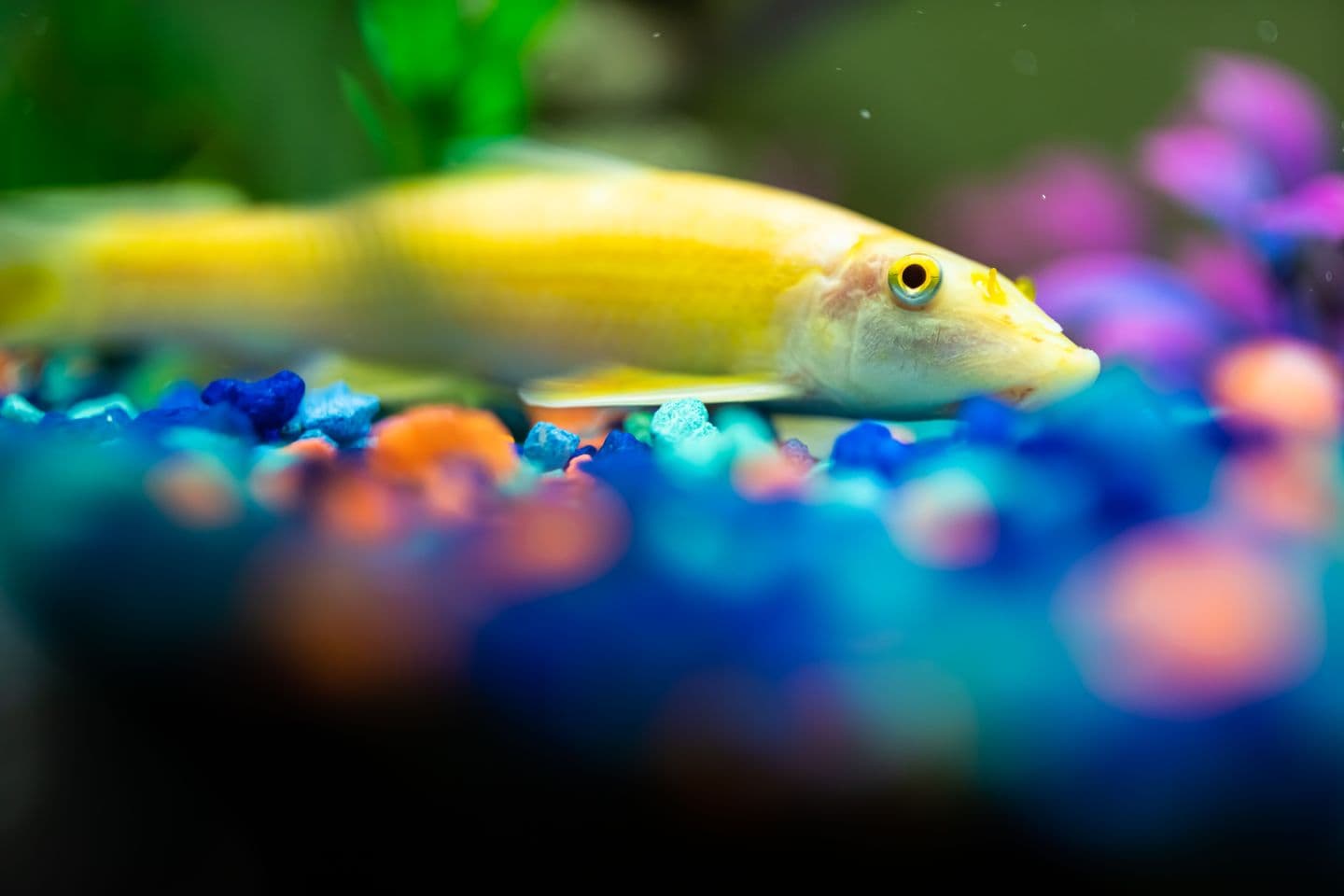
Zebra Loach: A Western Ghats Endemic Under Real Pressure
The zebra loach carries neat, narrow vertical stripes over a yellow-green body, staying smaller and more compact than several other Botia loaches, rarely exceeding ten centimetres. It is endemic to a
The zebra loach carries neat, narrow vertical stripes over a yellow-green body, staying smaller and more compact than several other Botia loaches, rarely exceeding ten centimetres. It is endemic to a genuinely small area of the Western Ghats in southern India, first described from Mysore in 1920, and is found today in only a handful of locations across Karnataka and Maharashtra.
This narrow range and heavy collection for the aquarium trade, where it has reportedly ranked among the top two most exported ornamental fish species from India by volume, has pushed it to Endangered status on the IUCN Red List. This is worth knowing given how casually the species is often sold as simply another pretty striped loach.
Tank and water requirements
A group of five or six does well in a tank of a hundred litres or more, with a soft sandy substrate, smooth rocks and driftwood for hiding, echoing its shaded forest stream habitat. It is more sensitive to water quality fluctuations than some hardier loaches and does best in an established, stable tank rather than a newly cycled one.
A secure lid is worth having, since like several other loaches it is a capable jumper, particularly when startled.
Diet, breeding and a conservation note
An omnivorous diet of sinking pellets, algae wafers and occasional live or frozen food, including snails, suits it well. It is peaceful and highly social, doing poorly both physically and behaviourally if kept alone or in too small a group.
Breeding in home aquariums is exceedingly rare, and most commercial supply still relies on hormone-assisted breeding in specialist facilities or on wild collection rather than easy home breeding. Asking a shop whether stock is captive bred, and being willing to pay more for it, is a genuinely meaningful choice for this particular species given its wild status.
Buying tips
Priced around eighty to two hundred rupees per fish in India, reflecting its popularity and its more limited, endangered wild supply
Ask specifically about captive-bred stock given the species' endangered status and heavy collection history
Keep in a proper group of five or six rather than one or two, since a lone or paired zebra loach is prone to stress and reclusive, sometimes aggressive behaviour
The scissortail rasbora, Rasbora trilineata, gets its name from the black-and-white banded tail fin, which opens and closes in a scissoring motion as the fish swims, a genuinely visible behaviour rath
Flushing a fish, whether dead or simply unwanted, down the toilet is a habit many Indian households have inherited without questioning it, and it carries real risks that are worth understanding.
A cover might seem like an afterthought compared to filtration or lighting, but for a saltwater tank it does real, unglamorous work: cutting evaporation, which matters a great deal given how salinity