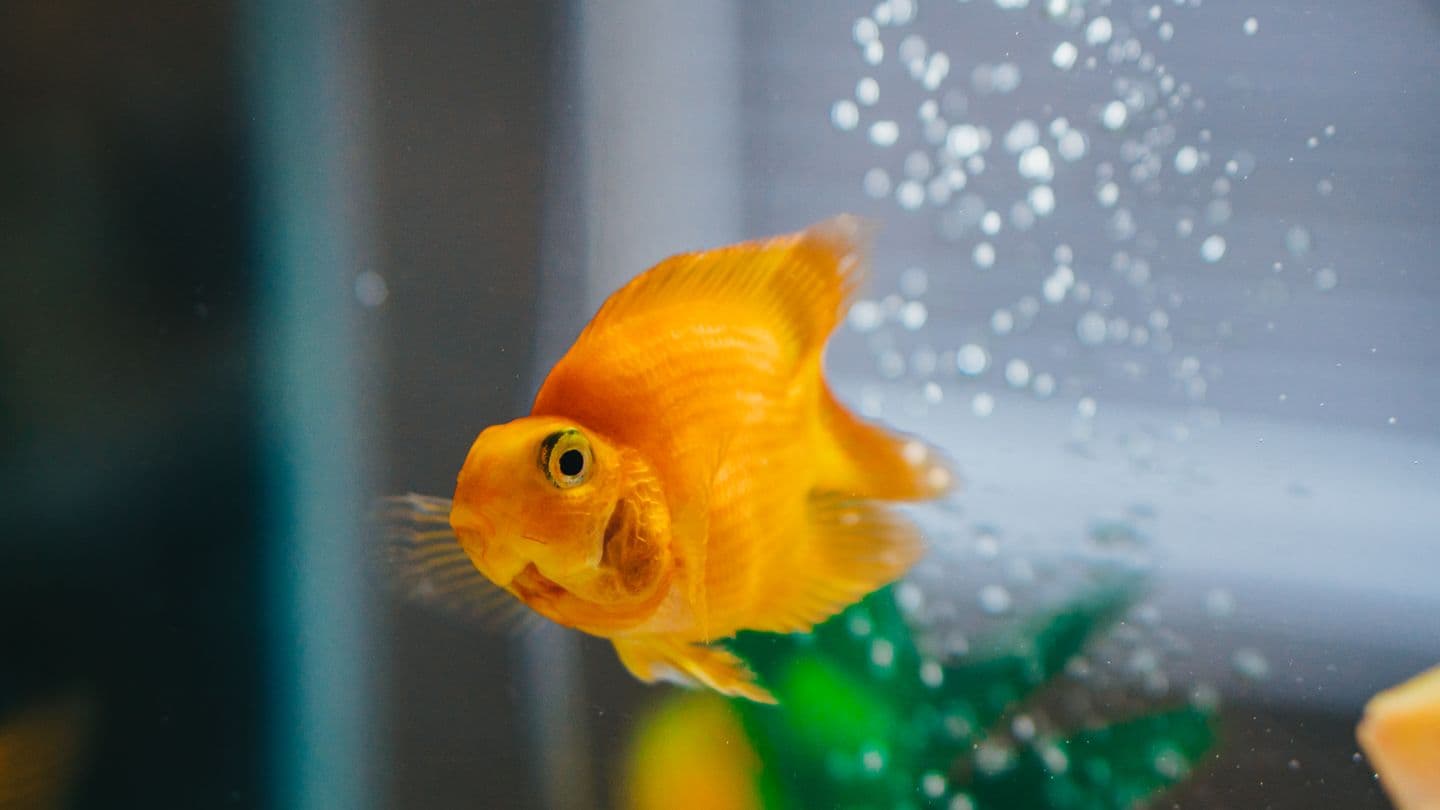
Goldfish are hardy fish overall, but their popularity as a first pet, often in conditions that are not really suited to them, means they show up with a fairly predictable set of health problems more o
Goldfish are hardy fish overall, but their popularity as a first pet, often in conditions that are not really suited to them, means they show up with a fairly predictable set of health problems more often than most other aquarium species. This is a quick reference for spotting what is actually wrong, with pointers to where a fuller treatment guide sits elsewhere in this collection for the more involved conditions.
Ich (white spot disease)
Tiny white spots resembling grains of salt across the body and fins, often with flashing and rapid gill movement. Covered in full detail, including step by step treatment, elsewhere in this guide.
Fin rot
Ragged, discoloured fin edges, often starting with a white or red line before fraying inward. A bacterial infection almost always linked to stress or water quality. Covered in full elsewhere in this guide.
Swim bladder trouble
Floating sideways, sinking, or struggling to hold a normal position, most often from overfeeding or constipation in fancy goldfish specifically. Covered in full elsewhere in this guide, including the fasting and pea protocol that resolves most cases.
Dropsy
A bloated body with scales standing out in a pinecone pattern, a sign of serious internal fluid regulation failure. Covered in full elsewhere in this guide, including realistic survival odds by stage.
Flukes
Invisible parasites causing flashing, scratching, and laboured breathing despite otherwise normal water parameters. Covered in full elsewhere in this guide.
Fish lice
Small, flat, translucent parasites visible lying against the skin, causing vigorous rubbing and scratching against tank surfaces. A separate crustacean parasite from anchor worms, though the two are sometimes confused; also covered elsewhere in this guide.
Ulcers and bacterial sores
Open, reddened sores on the body, usually secondary to poor water quality, injury, or an underlying bacterial infection such as Aeromonas or Pseudomonas. Covered in more depth elsewhere in this guide.
Tumours and growths
Lumps or raised masses on the body, usually benign in goldfish specifically but worth monitoring for growth or interference with normal swimming. Covered in full elsewhere in this guide.
The pattern behind almost all of it
Look closely at this list and a theme becomes obvious: the overwhelming majority of common goldfish ailments trace back to water quality, tank size, or diet, not bad luck. A properly sized, filtered tank with regular water changes and appropriate feeding prevents most of what is on this list before it ever becomes a problem worth treating.
The scissortail rasbora, Rasbora trilineata, gets its name from the black-and-white banded tail fin, which opens and closes in a scissoring motion as the fish swims, a genuinely visible behaviour rath
Flushing a fish, whether dead or simply unwanted, down the toilet is a habit many Indian households have inherited without questioning it, and it carries real risks that are worth understanding.
A cover might seem like an afterthought compared to filtration or lighting, but for a saltwater tank it does real, unglamorous work: cutting evaporation, which matters a great deal given how salinity