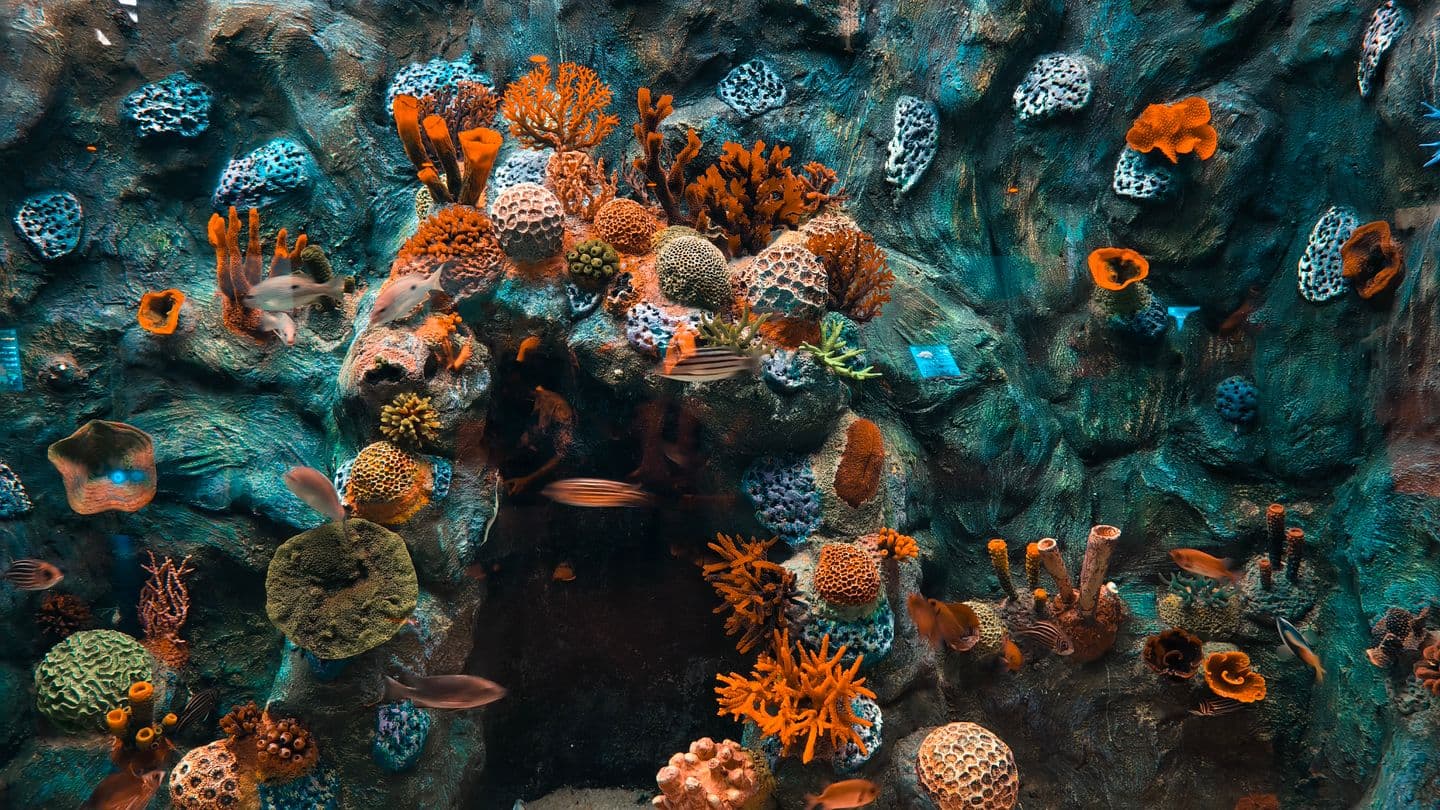
Coral Eating Flatworms in Reef Tanks: Spotting and Treating AEFW
Acropora eating flatworms, often shortened to AEFW, are a reef keeper's specific nightmare. Unlike the fish parasites covered elsewhere in this series, AEFW target coral directly, particularly Acropor
Acropora eating flatworms, often shortened to AEFW, are a reef keeper's specific nightmare. Unlike the fish parasites covered elsewhere in this series, AEFW target coral directly, particularly Acropora species, and their camouflage makes them notoriously difficult to catch early.
Why they're so hard to spot
AEFW are flat, translucent, and coloured almost exactly like the coral tissue they're feeding on, which lets them hide in plain sight between branches. Most keepers don't notice an infestation until the coral has already lost colour or shows small circular scars where tissue has been eaten away, exposing bare white skeleton underneath.
Signs of an infestation
Small, circular white patches on Acropora branches where tissue has been stripped
Fading or browning coral colour, often mistaken for lighting or water quality issues
Reduced polyp extension and slowed growth
Tiny cream-coloured egg clusters near the base of branches or on bare skeleton
Treatment: dip, inspect, repeat
Remove the affected coral to a separate container, never treat inside the display tank
Dip in a coral-safe solution such as Lugol's iodine or a commercial coral dip, following label timing closely
Use a turkey baster to blast water directly at the coral's branches; dislodged flatworms will be visible in the water
Inspect closely for egg clusters and physically scrape or cut away the affected area, since most dips do not kill eggs
Quarantine the coral separately for at least a week, since AEFW can survive off the host for several days
Repeat the full process every 5 to 7 days for at least a month to catch newly hatched worms
Prevention is far easier than the cure
Every new coral, no matter how reputable the source, should be dipped and quarantined before joining a display tank. AEFW infestations can take months or even years to fully clear once established in a large reef system, so the five minutes spent dipping a new coral frag is a genuinely good trade.
A note for Indian reef keepers
Imported Acropora frags are increasingly available through Indian marine importers, and this is exactly the stock most likely to arrive carrying AEFW, since frags are often cut and shipped from established systems overseas. Treat every imported frag as a suspect until proven otherwise.
The scissortail rasbora, Rasbora trilineata, gets its name from the black-and-white banded tail fin, which opens and closes in a scissoring motion as the fish swims, a genuinely visible behaviour rath
Flushing a fish, whether dead or simply unwanted, down the toilet is a habit many Indian households have inherited without questioning it, and it carries real risks that are worth understanding.
A cover might seem like an afterthought compared to filtration or lighting, but for a saltwater tank it does real, unglamorous work: cutting evaporation, which matters a great deal given how salinity