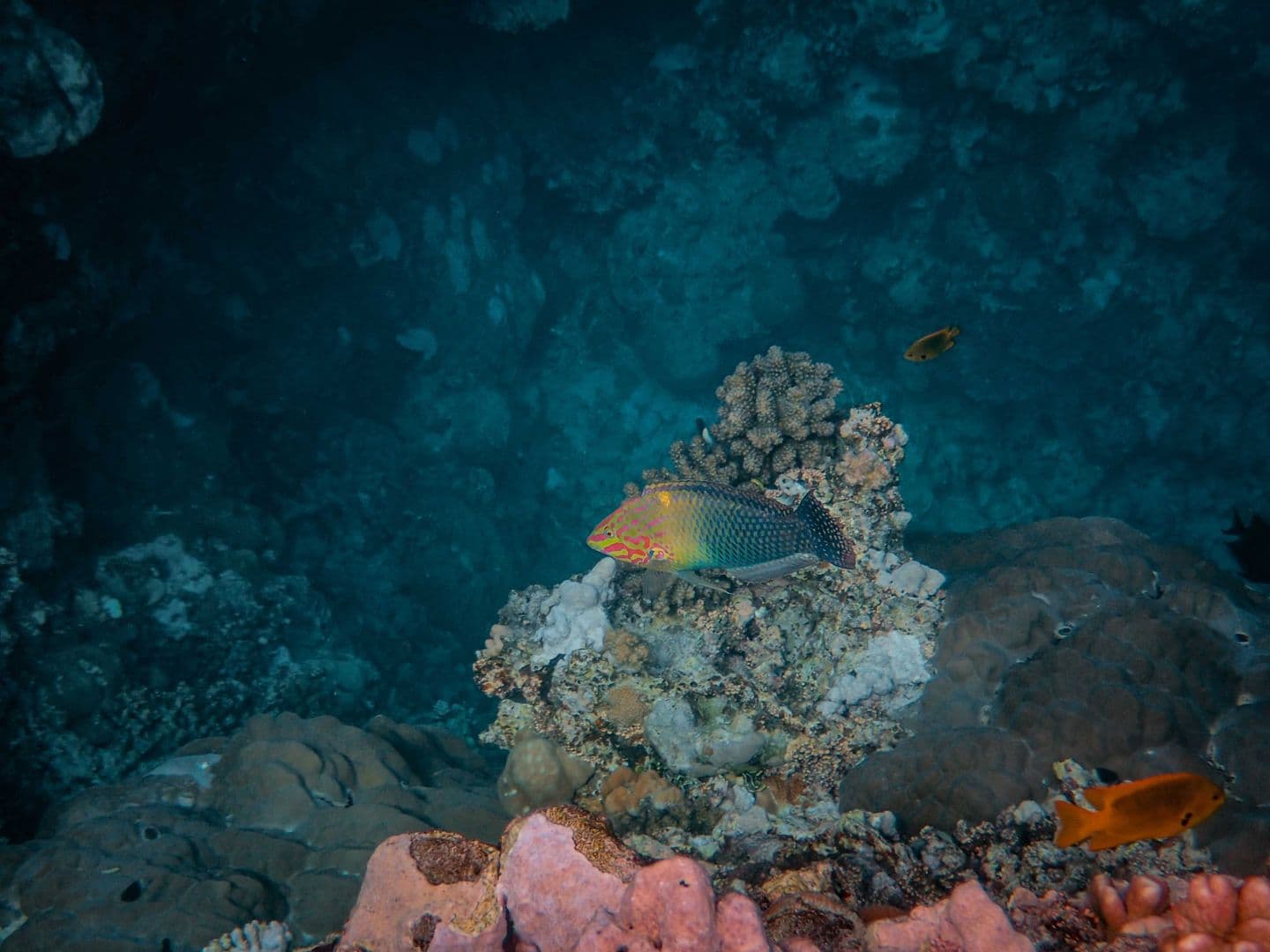
Flukes in Marine Fish: The Gill and Skin Parasites Wrasses and Tangs Attract Most
Flukes are flatworms, more precisely monogenean parasites, that attach to a fish's gills or skin using small hooks. They are extremely common in marine aquariums, particularly on wrasses, tangs and ot
Flukes are flatworms, more precisely monogenean parasites, that attach to a fish's gills or skin using small hooks. They are extremely common in marine aquariums, particularly on wrasses, tangs and other fish imported through busy holding facilities where fish are packed closely together.
Symptoms to watch for
Flashing or scratching against rock and substrate
Rapid or laboured breathing when gill flukes are involved
Small, hard to see worms visible on close inspection, sometimes only under magnification
Cloudy patches on the skin or excess mucus production
Reduced appetite and lethargy in heavier infestations
Skin flukes versus gill flukes
Skin flukes are usually easier to spot, since the irritation shows as flashing and visible cloudiness. Gill flukes are harder to catch early because the damage is happening somewhere you cannot see, and by the time breathing becomes visibly laboured, the infestation has usually progressed. Fish with gill flukes are also more vulnerable to secondary bacterial gill infections, so treating promptly matters.
Treatment
Praziquantel is the standard treatment, dosed either as a bath or added directly to a quarantine tank, and is considered reef safe by many keepers when dosed correctly, though caution and a separate quarantine tank remain the safer route. A typical protocol involves a treatment dose followed by a second dose five to eight days later to catch any eggs that hatched between treatments, since praziquantel does not kill fluke eggs directly.
Prevention through quarantine
Because flukes travel so easily on newly imported fish, a standard quarantine period with a preventive praziquantel dose, even before any symptoms appear, has become common practice among experienced marine keepers. This single step catches a large share of fluke infestations before they ever reach the display tank.
A sourcing note for India
Praziquantel is also a human and veterinary deworming medication, sold cheaply at ordinary pharmacies across India, which makes it considerably easier and less expensive to source there than the branded aquarium-specific praziquantel products common in Western fishkeeping markets. The catch is that pharmacy tablets are formulated for oral human or animal dosing, not aquarium water dosing, so the concentration per tablet and appropriate aquarium dose have to be worked out carefully rather than assumed, and a vet or experienced marine keeper familiar with the conversion is worth consulting before dosing a tank this way for the first time.
The scissortail rasbora, Rasbora trilineata, gets its name from the black-and-white banded tail fin, which opens and closes in a scissoring motion as the fish swims, a genuinely visible behaviour rath
Flushing a fish, whether dead or simply unwanted, down the toilet is a habit many Indian households have inherited without questioning it, and it carries real risks that are worth understanding.
A cover might seem like an afterthought compared to filtration or lighting, but for a saltwater tank it does real, unglamorous work: cutting evaporation, which matters a great deal given how salinity