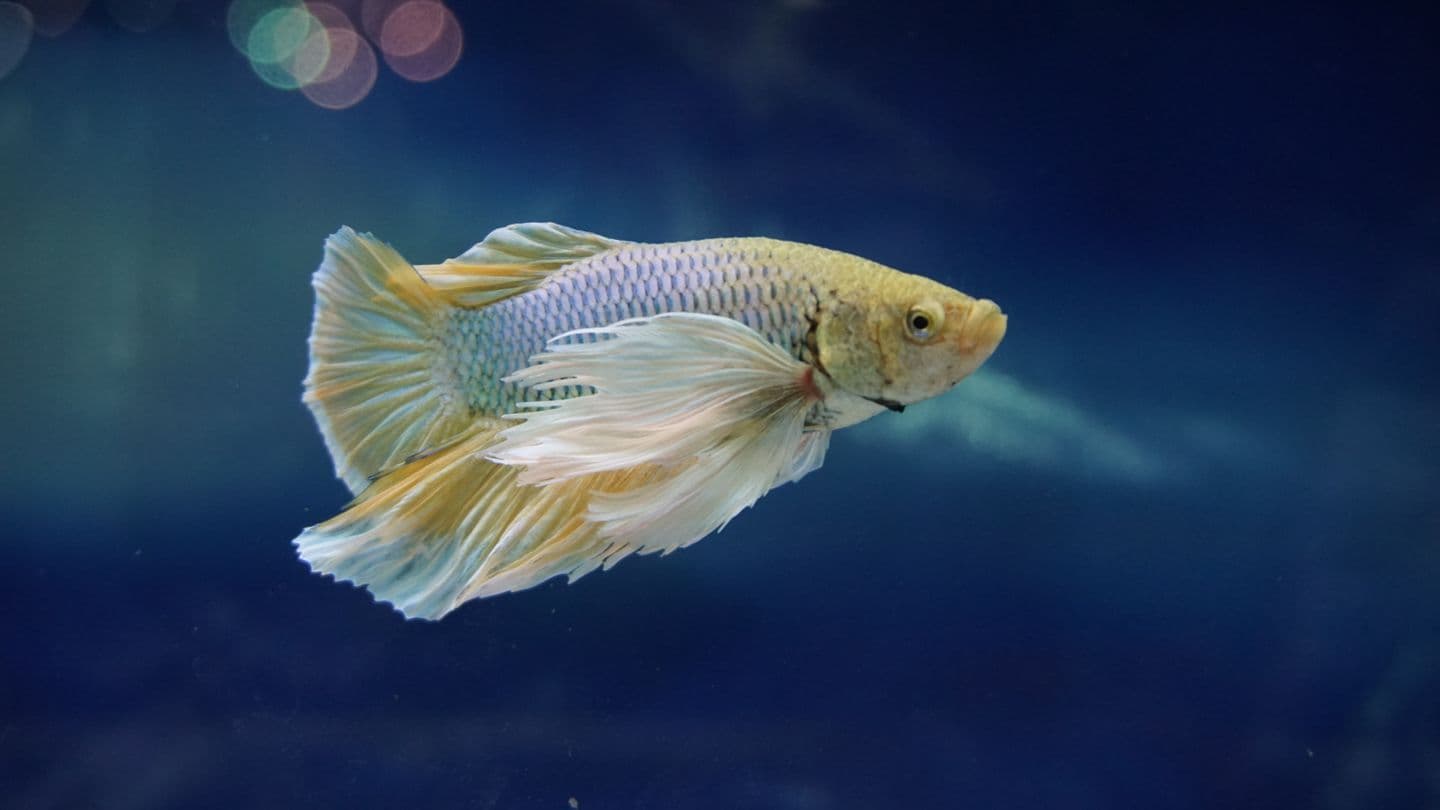
Betta lifespan is one of the more variable figures in the hobby, and the range you see quoted online, anywhere from two to ten years, reflects a real gap between how bettas are typically kept and how
Betta lifespan is one of the more variable figures in the hobby, and the range you see quoted online, anywhere from two to ten years, reflects a real gap between how bettas are typically kept and how they can live under genuinely good conditions.
What a realistic range looks like
Bettas kept in small, unfiltered bowls with inconsistent water changes commonly live only two to three years, sometimes less. Bettas kept in a properly filtered, heated tank of at least 15 to 20 litres, with regular water changes and a varied diet, commonly reach three to five years, and well cared for individuals genuinely reach six to eight years. The oldest documented bettas have reached around ten years, though this is a genuine outlier rather than something to expect.
Why the gap is so wide
Tank size and filtration: a stable, properly filtered environment removes the chronic ammonia and nitrite exposure that shortens life in a bowl
Water temperature: bettas are tropical fish and need a stable 24 to 28 degrees Celsius; cold, fluctuating water stresses their immune system over time
Diet: a varied diet of quality pellets alongside occasional live or frozen food supports better long term health than a single food type fed indefinitely
Genetics and breeding history: bettas bred purely for exaggerated fin length, such as some halfmoon or dumbo ear varieties, are sometimes less hardy than simpler, shorter finned varieties
Age at purchase: many bettas sold in shops, particularly males held in small cups for extended periods before sale, are already a year or so old by the time they reach a home tank, which shortens the number of years left even under excellent care
Signs of natural ageing versus illness
An older betta slowing down, resting more, and showing slightly duller colour is a normal part of ageing rather than a symptom to treat. What is worth investigating is a sudden change, rapid colour loss, clamped fins, or a loss of appetite that appears over days rather than gradually over months, since these point toward an active health problem rather than simple age.
Getting the most years out of a betta
The formula is not complicated: a filtered, heated tank of at least 15 to 20 litres, stable water quality with regular partial water changes, a varied diet, and a gentle, low flow environment that does not exhaust the fish's long fins. Indian keepers who set a betta up this way from the start routinely see them live well past the three year mark that bowl-kept bettas rarely reach.
The scissortail rasbora, Rasbora trilineata, gets its name from the black-and-white banded tail fin, which opens and closes in a scissoring motion as the fish swims, a genuinely visible behaviour rath
Flushing a fish, whether dead or simply unwanted, down the toilet is a habit many Indian households have inherited without questioning it, and it carries real risks that are worth understanding.
A cover might seem like an afterthought compared to filtration or lighting, but for a saltwater tank it does real, unglamorous work: cutting evaporation, which matters a great deal given how salinity