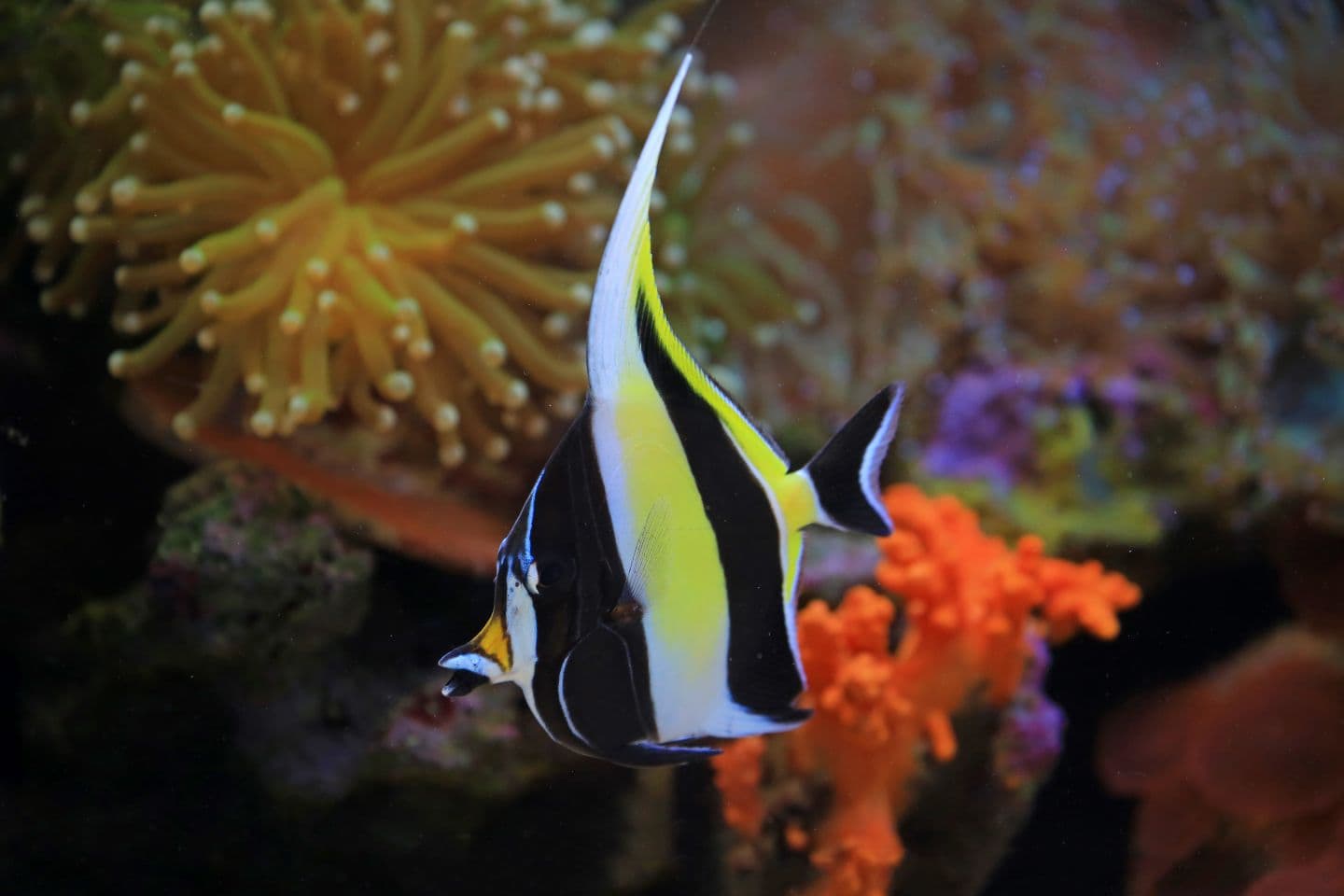
Formalin, a 37 percent formaldehyde solution, is one of the oldest and most effective treatments in the marine aquarist's toolkit, used against external parasites including marine ich, velvet, Brookly
Formalin, a 37 percent formaldehyde solution, is one of the oldest and most effective treatments in the marine aquarist's toolkit, used against external parasites including marine ich, velvet, Brooklynella and turbellarian flatworms. It is also genuinely hazardous to handle, and treating it casually is where most mistakes happen.
What formalin actually does
Formalin kills external parasites and disrupts fungal growth on contact. It does not treat internal infections and has no effect on bacterial disease, so an accurate diagnosis matters before reaching for it. Because it works on contact rather than being absorbed systemically, formalin baths are typically short and concentrated rather than left running in a tank long term.
Safe handling, for you
Work outdoors or in a well-ventilated space; the fumes are a respiratory irritant and a recognised carcinogen with prolonged exposure
Wear nitrile gloves and avoid any skin contact
Never store formalin near food, and keep it clearly labelled and out of reach of children
Discard any formalin bottle that shows a white residue at the bottom, since this indicates the solution has broken down into paraformaldehyde, which is more toxic and less effective
Dosing for a bath treatment
A short bath treatment (30 to 45 minutes) uses a considerably stronger dose than continuous in-tank dosing does, and mixing the two up is a genuine and dangerous error. As a bath, the standard concentration works out to roughly 1.5 to 2 millilitres of 37 percent formalin per 10 litres of water. Continuous, low-level dosing directly into a bare quarantine tank, repeated daily rather than as a one-off soak, uses a much weaker roughly 1 millilitre per 10 litres. These are two different protocols for two different situations, not interchangeable strengths of the same treatment, and using the bath-strength dose as a daily in-tank dose will cost you the fish. Always confirm the concentration against the specific product label in front of you, since commercial formalin products vary in strength and some are pre-diluted. The fish must be watched constantly during the bath and removed immediately at the first sign of distress, such as rolling, loss of balance or gasping at the surface. Always match the temperature and salinity of the bath water to the fish's home tank before starting.
After the bath
Move the fish to a clean quarantine tank rather than back into a tank that shared water with the treatment, and perform a partial water change in the treatment container before disposing of it. Formalin should never be dosed directly into a display tank that holds coral or invertebrates, since it is lethal to both.
Sourcing formalin in India
Branded aquarium formalin products are not widely stocked by Indian pet shops, and hobbyists often end up sourcing technical or laboratory-grade formaldehyde solution from a chemical supplier instead. This makes checking the actual concentration on the bottle even more important than usual, since lab-grade formaldehyde is not always sold at the standard 37 percent strength that most aquarium dosing charts assume, and dosing off an incorrect assumption is exactly how overdoses happen. If the concentration on the label differs from 37 percent, the dose has to be recalculated proportionally, not used as-is.
A word of caution
Formalin is not a first-resort medication. For most common ich and velvet cases, copper or praziquantel treatments in quarantine are gentler and equally effective. Formalin earns its place for the harder cases, Brooklynella and turbellarian worms in particular, where it remains one of the few treatments that reliably works.
The scissortail rasbora, Rasbora trilineata, gets its name from the black-and-white banded tail fin, which opens and closes in a scissoring motion as the fish swims, a genuinely visible behaviour rath
Flushing a fish, whether dead or simply unwanted, down the toilet is a habit many Indian households have inherited without questioning it, and it carries real risks that are worth understanding.
A cover might seem like an afterthought compared to filtration or lighting, but for a saltwater tank it does real, unglamorous work: cutting evaporation, which matters a great deal given how salinity