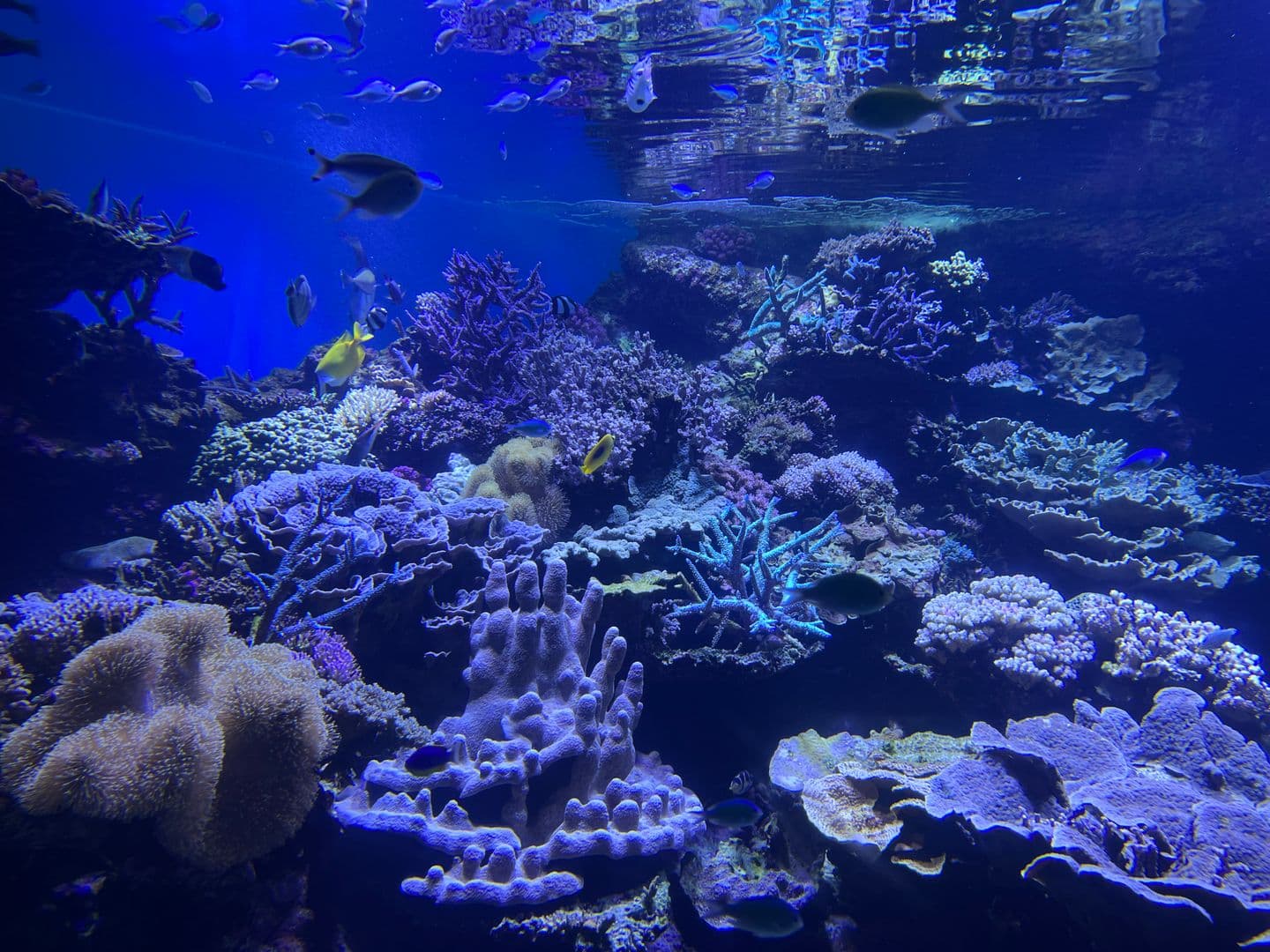
Getting a fish's basic diet type right is one of the more consequential things a keeper can do, since feeding a strict carnivore mostly plant matter, or a herbivore mostly meat, causes real nutritiona
Getting a fish's basic diet type right is one of the more consequential things a keeper can do, since feeding a strict carnivore mostly plant matter, or a herbivore mostly meat, causes real nutritional problems over time, even if the fish eats readily and shows no immediate distress.
Carnivores
Carnivorous fish get most of their energy from animal protein, insects, other fish, worms and similar prey in the wild. This category includes some of the more obviously predatory aquarium fish, but also less expected ones: bettas and many tetras are genuinely carnivorous, feeding on insect larvae and small invertebrates in their natural habitat despite their small, unthreatening size. Carnivores typically have a shorter, simpler digestive tract suited to processing protein efficiently, and do best on live or frozen foods, bloodworms, brine shrimp, and quality carnivore-formulated pellets, alongside occasional appropriate live prey.
Herbivores
Herbivorous fish get most of their nutrition from algae and plant matter. Common aquarium herbivores include many plecos, tinfoil barbs, silver dollars, and various algae eating species. Because plant matter is comparatively low in calories and dense in fibre, herbivores have evolved a notably longer, more complex gut than carnivorous species, built to extract maximum nutrition from food that yields less per bite. This is exactly why herbivores graze almost constantly in the wild, and why a herbivore kept on an unsuitably protein-heavy diet in captivity often develops digestive problems over time.
Omnivores
The majority of common aquarium fish are genuinely omnivorous, eating both plant and animal matter, and this includes goldfish, guppies, danios and many popular community species. Omnivores sit in a middle ground digestively, equipped to handle both food types reasonably well, which is part of why they tend to be the easiest fish to feed and the most forgiving of an imperfect diet.
Why the categories are not always as clean as they look
Even strict herbivores are not eating pure plant matter in the wild; algae and plant surfaces naturally carry small invertebrates and organic matter, giving nominally herbivorous fish a trace of incidental protein they would otherwise lack. Similarly, carnivorous fish gain some plant based nutrients indirectly, from the gut contents of the prey they eat. This is a useful reminder that even a food marketed specifically for one diet type usually benefits from covering the full nutritional picture rather than being purely single-ingredient.
Getting the practical feeding right
For carnivores: prioritise protein-rich live, frozen or pellet food; a little algae wafer or vegetable matter occasionally does no harm
For herbivores: prioritise spirulina-based flakes, algae wafers, and blanched vegetables; include a small amount of protein occasionally rather than none at all
For omnivores: a good quality standard flake or pellet, supplemented with both occasional live or frozen protein and occasional vegetable matter, covers most needs comfortably
When in doubt about a specific species, researching its natural wild diet, rather than assuming based on appearance or size, is the most reliable way to feed it appropriately.
The scissortail rasbora, Rasbora trilineata, gets its name from the black-and-white banded tail fin, which opens and closes in a scissoring motion as the fish swims, a genuinely visible behaviour rath
Flushing a fish, whether dead or simply unwanted, down the toilet is a habit many Indian households have inherited without questioning it, and it carries real risks that are worth understanding.
A cover might seem like an afterthought compared to filtration or lighting, but for a saltwater tank it does real, unglamorous work: cutting evaporation, which matters a great deal given how salinity