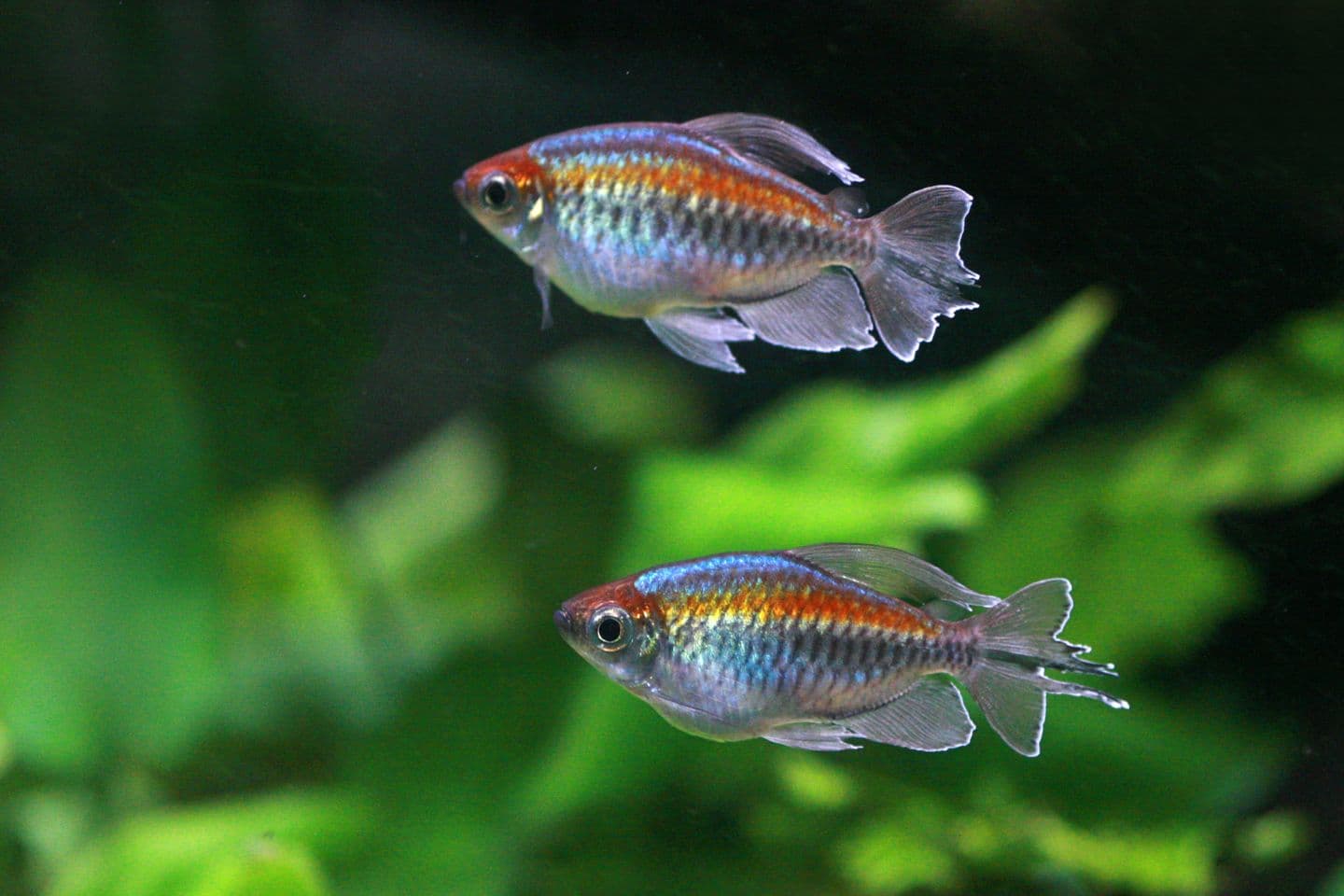
Neon Tetra Disease: The Incurable Illness Every Tetra Keeper Should Know
Neon tetra disease is one of the more sobering topics in freshwater fishkeeping, not because it is common, but because there is genuinely nothing a keeper can do to cure a fish once it has taken hold.
Neon tetra disease is one of the more sobering topics in freshwater fishkeeping, not because it is common, but because there is genuinely nothing a keeper can do to cure a fish once it has taken hold. Understanding it is really about recognising it early and protecting the rest of the tank, rather than expecting to save the individual fish.
What causes it
The disease is caused by Pleistophora hyphessobryconis, a microsporidian parasite that burrows into a fish's muscle tissue. Despite the name, it is not limited to neon tetras. Cardinal tetras, other Characins, rasboras and even some barbs and angelfish can contract it, though neons are the species most commonly and most severely affected.
Recognising the early signs
A loss of the neon's normal vivid blue and red stripe, starting as a patchy fading rather than an all over dulling
A fish breaking away from its school and swimming alone, unusual for a naturally shoaling species
Restlessness, particularly erratic swimming at times the fish would normally be resting
As the disease progresses, a curved or kinked spine and visible difficulty maintaining normal swimming posture
Why there is no treatment
Once the parasite has established itself in the muscle tissue, no medication currently available reverses the damage. This is genuinely different from most other common tank ailments, where a course of medication or improved water quality gives a fish a real chance at recovery. A few bacterial infections produce very similar symptoms and can be mistaken for neon tetra disease, which is why some anecdotal claims of a cure exist online, but true Pleistophora infection does not respond to antibacterial treatment.
What to actually do
Isolate the affected fish immediately to prevent it releasing spores into the main tank water as it declines
Humane euthanasia is the kindest option for a fish showing clear, advanced symptoms, since there is no prospect of recovery and the disease only worsens
Disinfect any equipment that contacted the affected fish, and avoid transferring water between the isolation tank and the main display
Watch remaining tankmates closely for several weeks, since the disease can spread through the tank via released spores even without direct contact
Prevention is the only real defence
Because there is no cure, everything comes down to keeping the parasite out. Quarantining every new fish for two to four weeks before introduction, buying from a shop with visibly healthy, actively schooling tetras, and maintaining consistently good water quality all reduce the risk substantially, since stressed or already weakened fish appear more susceptible to establishing an infection.
The scissortail rasbora, Rasbora trilineata, gets its name from the black-and-white banded tail fin, which opens and closes in a scissoring motion as the fish swims, a genuinely visible behaviour rath
Flushing a fish, whether dead or simply unwanted, down the toilet is a habit many Indian households have inherited without questioning it, and it carries real risks that are worth understanding.
A cover might seem like an afterthought compared to filtration or lighting, but for a saltwater tank it does real, unglamorous work: cutting evaporation, which matters a great deal given how salinity