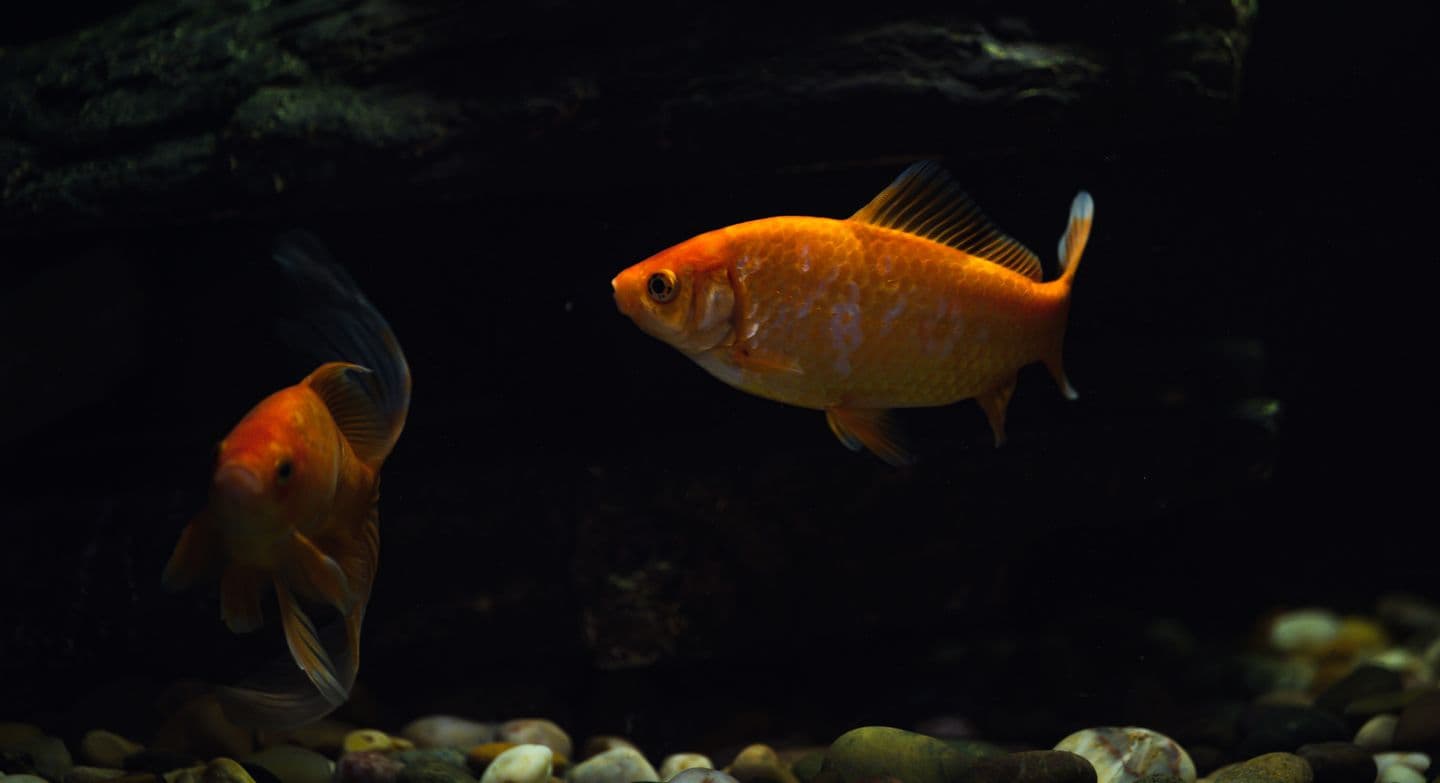
Setting Up and Keeping a Goldfish Aquarium the Right Way
Goldfish are sold to more first time Indian fishkeepers than almost any other species, usually in a small bowl with no filter and no real explanation of what the fish actually needs. It is one of the
Goldfish are sold to more first time Indian fishkeepers than almost any other species, usually in a small bowl with no filter and no real explanation of what the fish actually needs. It is one of the more unfortunate mismatches in the hobby, since goldfish are among the messiest common aquarium fish and genuinely need more space and filtration than their humble reputation suggests.
Why goldfish need more room than people expect
A single common goldfish can grow to 25 to 30 centimetres in good conditions and can live for well over a decade, sometimes two, with proper care. That growth potential, combined with how much waste goldfish produce relative to their size, means a bowl or a small unfiltered tank is never a genuinely suitable long term home. A single fancy goldfish needs a minimum of 75 to 100 litres, with meaningfully more for common or comet varieties that grow larger, and every additional goldfish needs a similar amount of extra volume.
The core setup
A tank of at least 75 litres for a single fancy goldfish, larger for common, comet or shubunkin varieties
A filter rated for meaningfully more than the tank's actual volume, since goldfish produce a heavy bio load
Smooth, rounded gravel or sand, since goldfish sift through substrate constantly while foraging and sharp gravel can injure their mouths
No heater is required for common goldfish kept at typical Indian room temperature, though fancy varieties do best in the low twenties Celsius rather than the warmer end of a tropical tank's range
Water quality is the single biggest factor in goldfish health
Because of how much waste they produce, goldfish tanks need a properly established nitrogen cycle before fish go in, and regular weekly water changes of 20 to 30 percent once stocked. Skipping this step is the single most common reason goldfish in Indian homes fall ill within their first few months, since ammonia and nitrite spikes in a new, uncycled tank are highly toxic even at levels a keeper cannot see or smell.
A note on tank mates
Goldfish are coldwater fish and should not be mixed with tropical species that need warmer water, and their messy eating habits and constant foraging make them poor companions for delicate or slow moving fish. The classic pairing of goldfish and tropical community fish in the same tank, though common in Indian aquarium shops, is best avoided for the long term health of both groups.
Ponds are often a better long term option in India
Given how warm most Indian regions stay for most of the year, a well filtered outdoor pond or a large terrace or balcony tub genuinely suits goldfish better than an indoor tank once space allows, particularly for common, comet or shubunkin varieties that grow larger and are hardy enough for outdoor conditions across most of the country. A pond gives them the swimming room their growth potential calls for without needing a very large indoor tank, though the same rules around cycling the water and avoiding overstocking still apply outdoors.
The scissortail rasbora, Rasbora trilineata, gets its name from the black-and-white banded tail fin, which opens and closes in a scissoring motion as the fish swims, a genuinely visible behaviour rath
Flushing a fish, whether dead or simply unwanted, down the toilet is a habit many Indian households have inherited without questioning it, and it carries real risks that are worth understanding.
A cover might seem like an afterthought compared to filtration or lighting, but for a saltwater tank it does real, unglamorous work: cutting evaporation, which matters a great deal given how salinity